THE ADVENTURE COLLECTIVE® · Independent discovery and booking for outdoor travel

Two hours wandering Jodhpur’s famed Blue City with a licensed local guide — explore stepwells, heritage houses, artisanal markets, and a sunset hill viewpoint. A compact cultural walk heavy on history, architecture, and photography.
Two hours wandering Jodhpur’s famed Blue City with a licensed local guide — explore stepwells, heritage houses, artisanal markets, and a sunset hill viewpoint. A compact cultural walk heavy on history, architecture, and photography.
You step from a narrow lane into a spray of ultramarine—houses, stairways and courtyard walls catching the afternoon sun like a town painted to slow time. The route threads through markets where clinking bangles and the scent of masala tea compete for attention, then climbs toward a ridge that opens onto the fort and a panorama of flat, ochre roofs punctuated by blue.
Verified experiences and guided adventures in the surrounding area.
Operated by Jodhpur local Tour Guide · Jodhpur, Rajasthan
You step from a narrow lane into a spray of ultramarine—houses, stairways and courtyard walls catching the afternoon sun like a town painted to slow time. The route threads through markets where clinking bangles and the scent of masala tea compete for attention, then climbs toward a ridge that opens onto the fort and a panorama of flat, ochre roofs punctuated by blue.
This guided, two-hour walk follows streets that evolved around Mehrangarh Fort and the old walled city. The blue pigment commonly used by Jodhpur’s residents has practical roots—traditionally associated with the Brahmin caste and believed to repel heat—and the neighborhood’s compact lanes reveal Mughal and Rajput influences in carved balconies, timber brackets and painted havelis. Geologically, the city sits on Aravalli foothills; the local stone is a warm sandstone that frames gateways and stepwells you’ll pass.
Cultural moments arrive in quick bursts: artisans shaping glass bangles, tea vendors brewing cardamom-rich chai, and a 250-year-old stepwell whose geometry cools both air and storylines. Your guide will place these scenes in context while pointing out wall paintings and local markets.
Practical guidance: wear closed shoes for uneven paving, carry a water bottle (some supplied), and plan this walk for late afternoon to catch cooler air and the sunset view from the hill. Expect easy pacing with short stair climbs and frequent photo stops; bring small change for purchases and a light layer for breezy evenings.
Meeting is typically at a central point in the old city near the main gate or a designated landmark — the booking confirmation lists the exact pickup spot.
Yes; the tour is rated easy but includes stair climbs and uneven pavement — notify the guide of mobility needs so they can adapt the route.
This walking tour focuses on neighborhoods and public viewpoints; individual attraction admissions are generally not included unless specified in your booking details.
Yes — photography is encouraged, but ask before photographing people closely and respect any restricted or private interiors.
Jodhpur local Tour Guide operates guided outdoor trips and adventures with an emphasis on safety, stewardship, and memorable experiences.
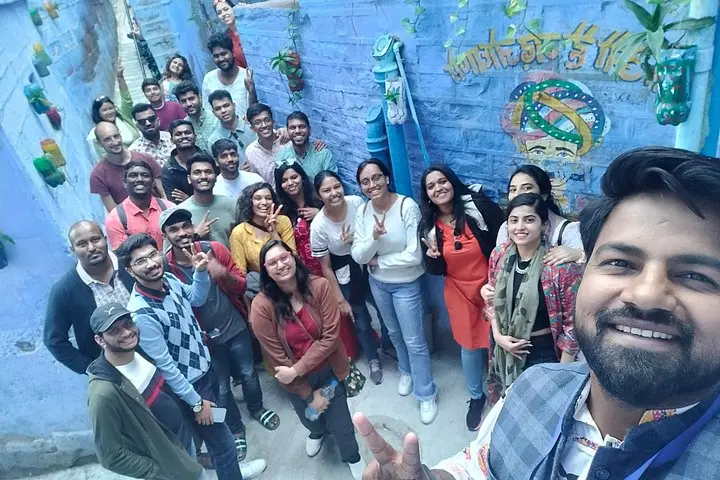
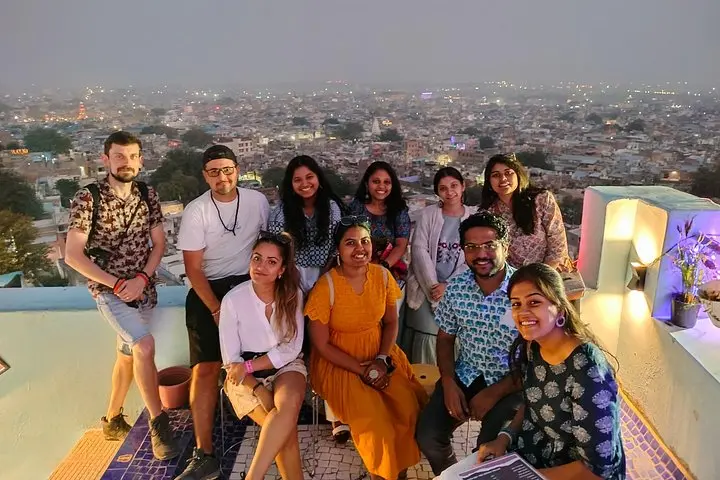
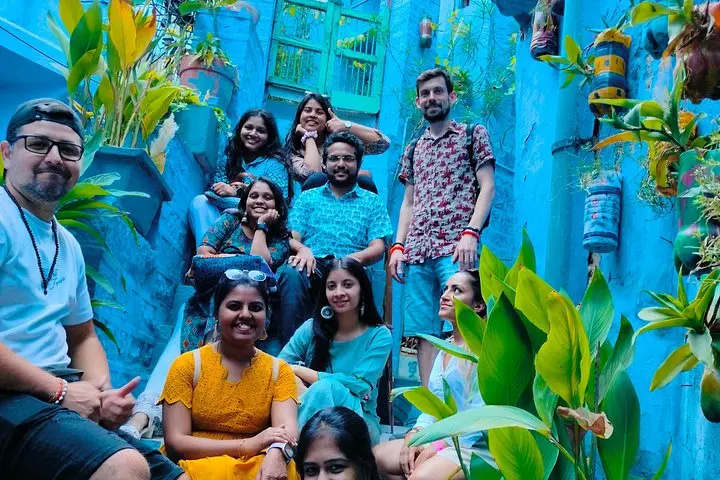
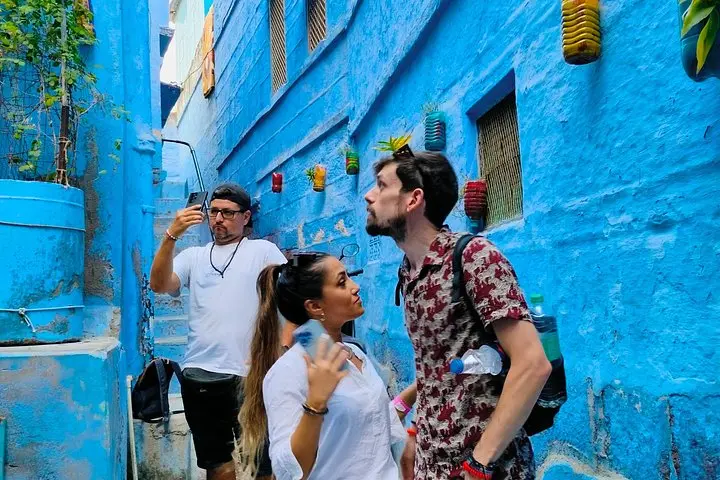
You step from a narrow lane into a spray of ultramarine—houses, stairways and courtyard walls catching the afternoon sun like a town painted to slow time. The route threads through markets where clinking bangles and the scent of masala tea compete for attention, then climbs toward a ridge that opens onto the fort and a panorama of flat, ochre roofs punctuated by blue.
You step from a narrow lane into a spray of ultramarine—houses, stairways and courtyard walls catching the afternoon sun like a town painted to slow time. The route threads through markets where clinking bangles and the scent of masala tea compete for attention, then climbs toward a ridge that opens onto the fort and a panorama of flat, ochre roofs punctuated by blue.
This guided, two-hour walk follows streets that evolved around Mehrangarh Fort and the old walled city. The blue pigment commonly used by Jodhpur’s residents has practical roots—traditionally associated with the Brahmin caste and believed to repel heat—and the neighborhood’s compact lanes reveal Mughal and Rajput influences in carved balconies, timber brackets and painted havelis. Geologically, the city sits on Aravalli foothills; the local stone is a warm sandstone that frames gateways and stepwells you’ll pass.
Cultural moments arrive in quick bursts: artisans shaping glass bangles, tea vendors brewing cardamom-rich chai, and a 250-year-old stepwell whose geometry cools both air and storylines. Your guide will place these scenes in context while pointing out wall paintings and local markets.
Practical guidance: wear closed shoes for uneven paving, carry a water bottle (some supplied), and plan this walk for late afternoon to catch cooler air and the sunset view from the hill. Expect easy pacing with short stair climbs and frequent photo stops; bring small change for purchases and a light layer for breezy evenings.