THE ADVENTURE COLLECTIVE® · Independent discovery and booking for outdoor travel

A quiet, lightly developed reserve on the Kafue Flats, Blue Lagoon National Park is a birdwatcher’s dream and a front‑row seat to thousands of lechwe. Read on for what to expect and how to prepare for a half‑day tour from Lusaka.
A quiet, lightly developed reserve on the Kafue Flats, Blue Lagoon National Park is a birdwatcher’s dream and a front‑row seat to thousands of lechwe. Read on for what to expect and how to prepare for a half‑day tour from Lusaka.
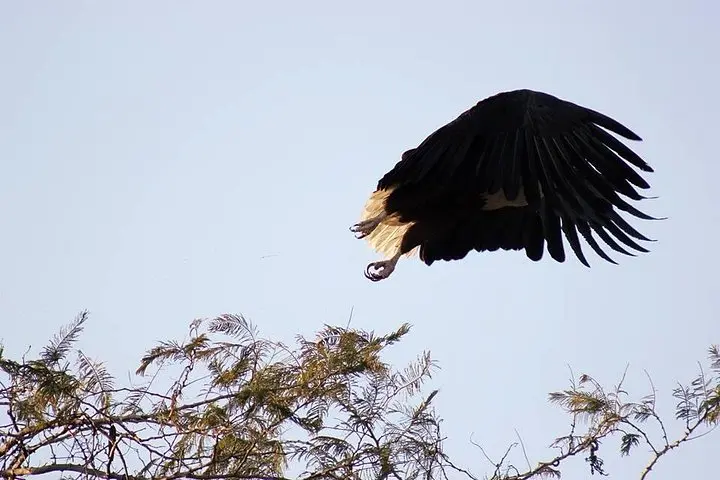
You step out of the air‑conditioned vehicle and the floodplain hits you — a wide, low plain of grass and water where light moves like wind across reeds. Birds wheel overhead, raptors calling territory, and distant silhouettes of Kafue lechwe puncture the horizon; the landscape here feels capable of simple, patient things.
Verified experiences and guided adventures in the surrounding area.
Operated by Opatrip.com Zambia · Lusaka, Lusaka Province
You step out of the air‑conditioned vehicle and the floodplain hits you — a wide, low plain of grass and water where light moves like wind across reeds. Birds wheel overhead, raptors calling territory, and distant silhouettes of Kafue lechwe puncture the horizon; the landscape here feels capable of simple, patient things.
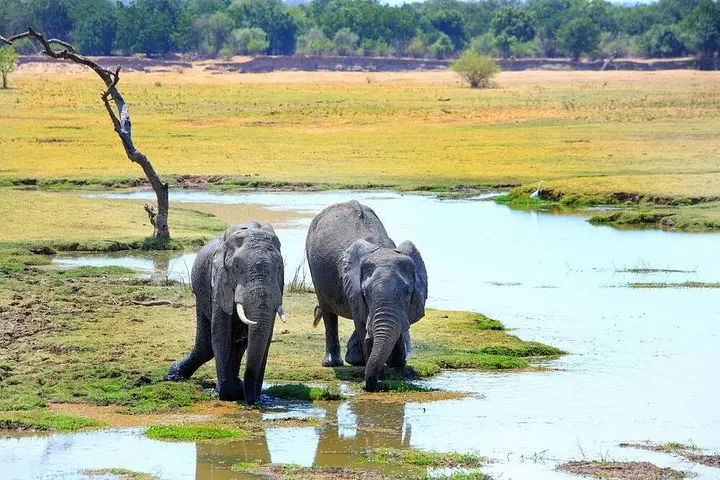
Blue Lagoon National Park sits on the northern edge of the Kafue Flats, reopened in 2003 after years under government control. Geologically the flats are the slow work of seasonal flooding and alluvial soil; ecologically they’re critical wetland habitat that supports thousands of lechwe, sitatunga in marsh fringes, zebra, and resident buffalo. The park’s claim is avian: more than 400 species recorded, including breeding raptors that use the acacia fringe and riverine woodlands.
Culturally, the area ties to Tonga and Ila communities whose livelihoods have long followed the river’s pulse, and to Zambia’s larger conservation story that balances grazing, floodplain ecology, and tourism.
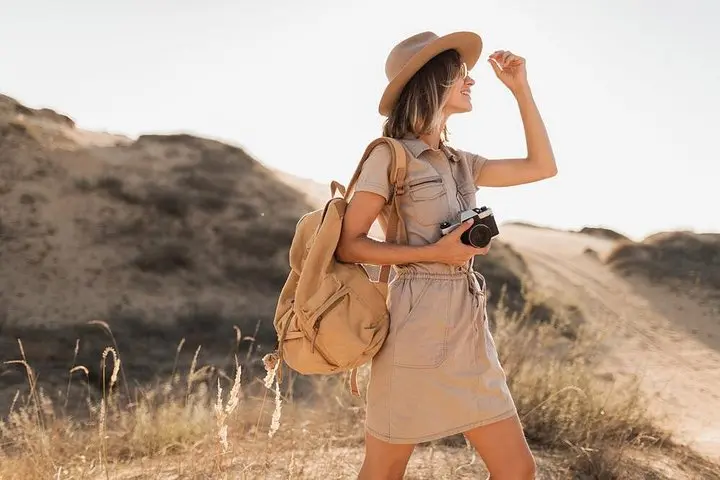
Practical guidance: a half‑day private tour from Lusaka typically runs about four hours on sealed and graded roads. Expect soft, seasonal mud on tracks and short walkouts from the vehicle; moderate fitness is useful for any guided walks. Pack binoculars, sun protection, water, and neutral clothing for birding; mornings and late afternoons are the best windows for wildlife activity and photography. Leave no trace — this is a lightly developed reserve, and your movements shape how long it stays wild.
The park is a drive of roughly 2–3 hours northwest of Lusaka depending on route and traffic; tours commonly operate as half‑day trips.
Expect large numbers of Kafue lechwe, mixed waterbirds, breeding raptors, and occasional sitatunga, zebra, and buffalo along the floodplain fringe.
Blue Lagoon is lightly developed and remains relatively untouched — facilities are basic and tours are often day trips with vehicle‑based viewing.
Dry season months, when receding floods concentrate birds on remaining water and exposed feeding areas, are best; early morning and late afternoon maximize sightings.
Opatrip.com Zambia operates guided outdoor trips and adventures with an emphasis on safety, stewardship, and memorable experiences.
You step out of the air‑conditioned vehicle and the floodplain hits you — a wide, low plain of grass and water where light moves like wind across reeds. Birds wheel overhead, raptors calling territory, and distant silhouettes of Kafue lechwe puncture the horizon; the landscape here feels capable of simple, patient things.
You step out of the air‑conditioned vehicle and the floodplain hits you — a wide, low plain of grass and water where light moves like wind across reeds. Birds wheel overhead, raptors calling territory, and distant silhouettes of Kafue lechwe puncture the horizon; the landscape here feels capable of simple, patient things.
Blue Lagoon National Park sits on the northern edge of the Kafue Flats, reopened in 2003 after years under government control. Geologically the flats are the slow work of seasonal flooding and alluvial soil; ecologically they’re critical wetland habitat that supports thousands of lechwe, sitatunga in marsh fringes, zebra, and resident buffalo. The park’s claim is avian: more than 400 species recorded, including breeding raptors that use the acacia fringe and riverine woodlands.
Culturally, the area ties to Tonga and Ila communities whose livelihoods have long followed the river’s pulse, and to Zambia’s larger conservation story that balances grazing, floodplain ecology, and tourism.
Practical guidance: a half‑day private tour from Lusaka typically runs about four hours on sealed and graded roads. Expect soft, seasonal mud on tracks and short walkouts from the vehicle; moderate fitness is useful for any guided walks. Pack binoculars, sun protection, water, and neutral clothing for birding; mornings and late afternoons are the best windows for wildlife activity and photography. Leave no trace — this is a lightly developed reserve, and your movements shape how long it stays wild.