THE ADVENTURE COLLECTIVE® · Independent discovery and booking for outdoor travel

Visit Rangiroa’s private Blue Lagoon motu for a rare pink-sand beach, snorkel with dolphins nearby, and enjoy a local lunch with coconut crab. This full-day boat tour blends wildlife watching, short reef swims, and cultural activities on a protected atoll.
Visit Rangiroa’s private Blue Lagoon motu for a rare pink-sand beach, snorkel with dolphins nearby, and enjoy a local lunch with coconut crab. This full-day boat tour blends wildlife watching, short reef swims, and cultural activities on a protected atoll.
Sunlight slices across the lagoon in thin ribbons and the boat eases into a sheltered motu where sand seems to blush pink. Guests step onto a powder-soft beach framed by low pandanus and a rim of shallow reef; the water is curiously clear, the current keeping the pass alive with dolphin activity and the occasional shark gliding in deeper blue.
Verified experiences and guided adventures in the surrounding area.
Operated by Rangiroa Activities · Avatoru, Tuamotu-Gambier
Sunlight slices across the lagoon in thin ribbons and the boat eases into a sheltered motu where sand seems to blush pink. Guests step onto a powder-soft beach framed by low pandanus and a rim of shallow reef; the water is curiously clear, the current keeping the pass alive with dolphin activity and the occasional shark gliding in deeper blue.
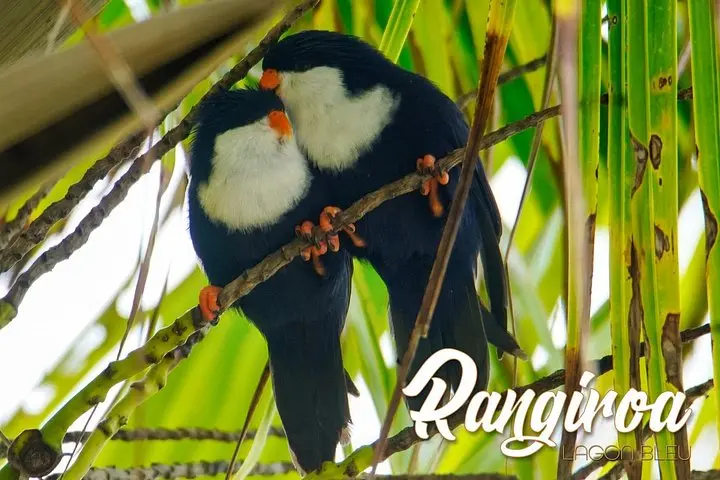
Rangiroa is one of the largest atolls in the Tuamotu archipelago — a ring of reef and motu formed by volcanic subsidence and coral growth over millennia. The lagoon has long supported pearl farming and been threaded into Polynesian voyaging routes; today small communities in Avatoru maintain fishing, craft, and hospitality traditions. On this private-island outing expect a mix of wildlife watching—spinner dolphins and nesting seabirds—plus cultural moments like a braiding workshop and a local lunch featuring coconut crab and Rangiroa wine.
Practicalities are straightforward: the trip runs about eight hours with boat pickup included, moderate fitness is required for short swims and walking on uneven sand and reef flats, and basic snorkeling is the primary activity. Bring reef-safe sunscreen, a well-fitting mask, and footwear for coral and motu trails. If you’re prone to seasickness, take preventative measures before departure; mid-morning light and slack tides make the best snorkeling windows. Operators typically limit group size to keep the motu quiet—respect wildlife distances, avoid taking coral or shells, and follow crew guidance to keep this fragile lagoon healthy for generations to come.
The tour is about eight hours and typically includes boat transfers, guided snorkeling, lunch (local dishes including coconut crab), dolphin watching, and cultural activities like a braiding workshop.
No advanced skills required—basic snorkeling competence is sufficient; operators provide guidance and may offer floatation aids if needed.
Yes—families are welcome but infants usually must sit on laps and children should be supervised in shallow water; check operator age recommendations before booking.
Dolphins are commonly seen in the passes and lagoon; small reef sharks may be visible in deeper channels—operators monitor wildlife and maintain safe viewing distances.
Rangiroa Activities operates guided outdoor trips and adventures with an emphasis on safety, stewardship, and memorable experiences.
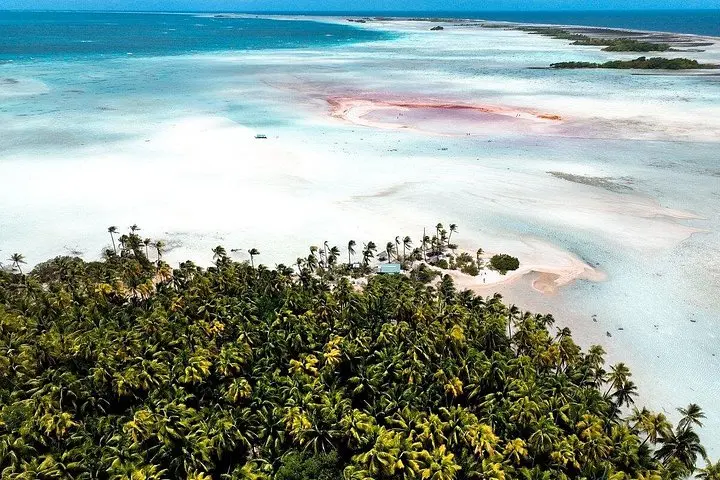
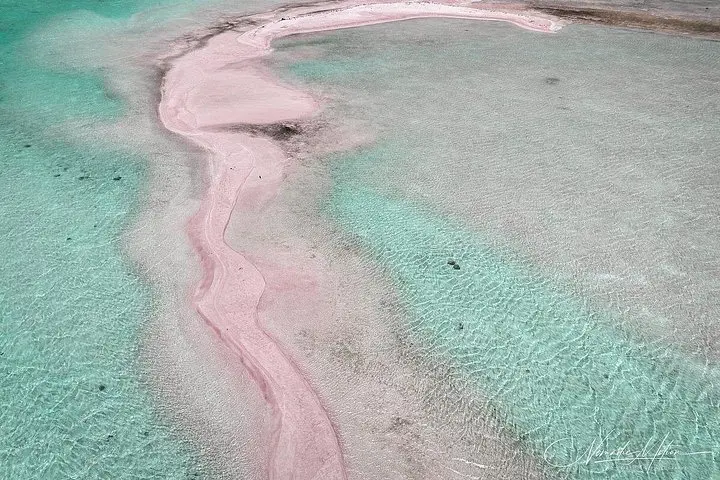
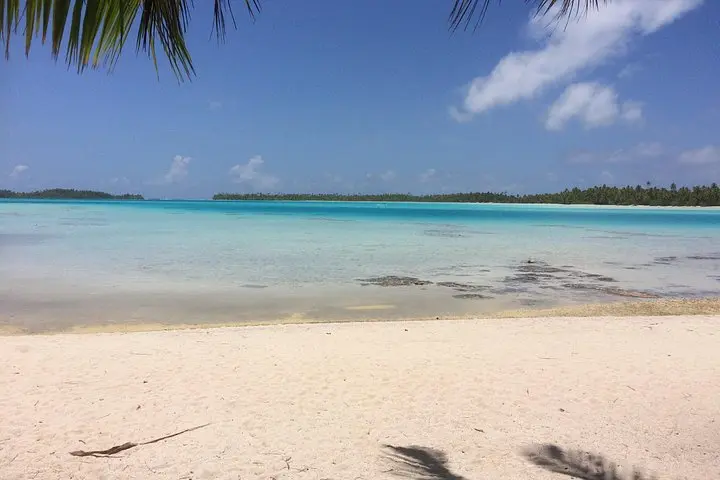
Sunlight slices across the lagoon in thin ribbons and the boat eases into a sheltered motu where sand seems to blush pink. Guests step onto a powder-soft beach framed by low pandanus and a rim of shallow reef; the water is curiously clear, the current keeping the pass alive with dolphin activity and the occasional shark gliding in deeper blue.
Sunlight slices across the lagoon in thin ribbons and the boat eases into a sheltered motu where sand seems to blush pink. Guests step onto a powder-soft beach framed by low pandanus and a rim of shallow reef; the water is curiously clear, the current keeping the pass alive with dolphin activity and the occasional shark gliding in deeper blue.
Rangiroa is one of the largest atolls in the Tuamotu archipelago — a ring of reef and motu formed by volcanic subsidence and coral growth over millennia. The lagoon has long supported pearl farming and been threaded into Polynesian voyaging routes; today small communities in Avatoru maintain fishing, craft, and hospitality traditions. On this private-island outing expect a mix of wildlife watching—spinner dolphins and nesting seabirds—plus cultural moments like a braiding workshop and a local lunch featuring coconut crab and Rangiroa wine.
Practicalities are straightforward: the trip runs about eight hours with boat pickup included, moderate fitness is required for short swims and walking on uneven sand and reef flats, and basic snorkeling is the primary activity. Bring reef-safe sunscreen, a well-fitting mask, and footwear for coral and motu trails. If you’re prone to seasickness, take preventative measures before departure; mid-morning light and slack tides make the best snorkeling windows. Operators typically limit group size to keep the motu quiet—respect wildlife distances, avoid taking coral or shells, and follow crew guidance to keep this fragile lagoon healthy for generations to come.