THE ADVENTURE COLLECTIVE® · Independent discovery and booking for outdoor travel

Float above colorful coral gardens and watch parrotfish weave between your fins, then trade salt for fresh-water cascades on an optional waterfall add-on. This half-day to full-day tour pairs calm lagoon snorkeling—where turtles sometimes appear—with visits to two dramatic Balinese falls.
Float above colorful coral gardens and watch parrotfish weave between your fins, then trade salt for fresh-water cascades on an optional waterfall add-on. This half-day to full-day tour pairs calm lagoon snorkeling—where turtles sometimes appear—with visits to two dramatic Balinese falls.
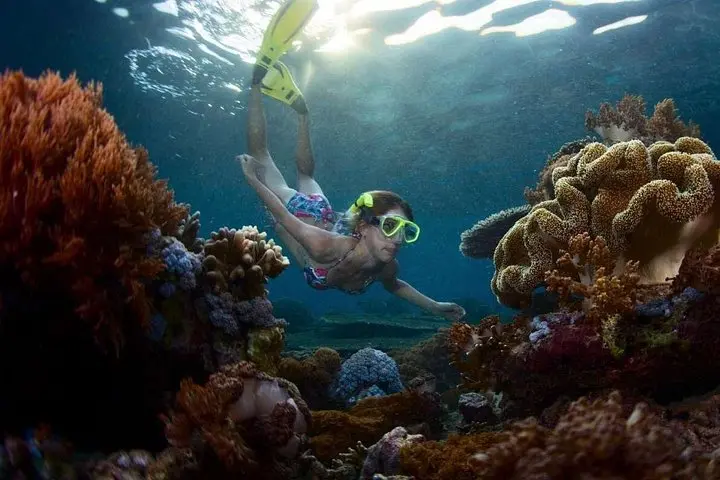
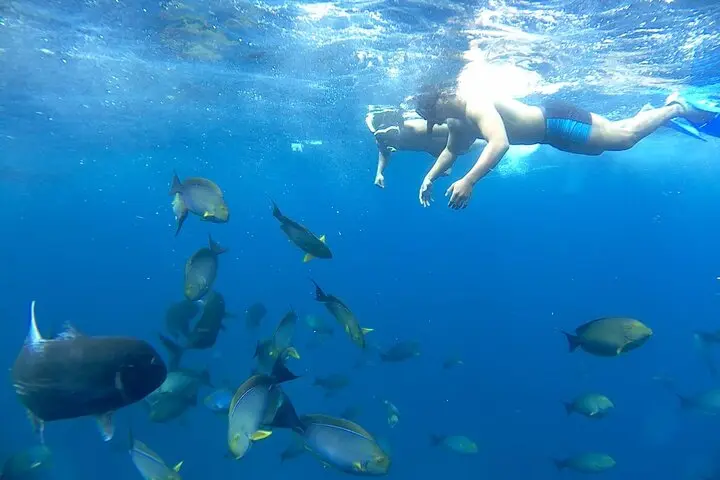
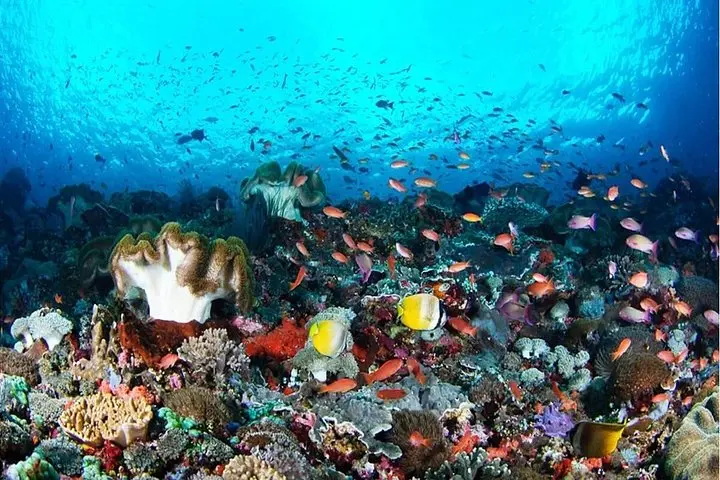
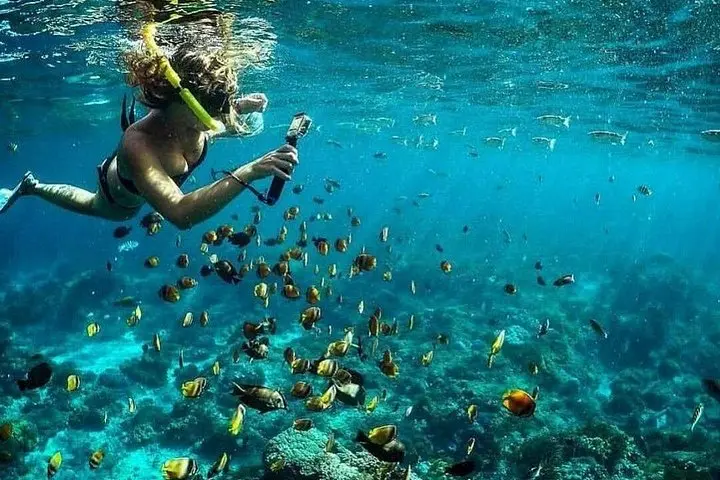
Stepping off the traditional wooden boat at Blue Lagoon, the water greets you with a clarity that almost feels deliberate—an invitation to look down rather than out. Schools of damselfish swerve around your fins, and the seafloor’s white sand throws light back up in soft, rippling patterns. Above, the east-coast cliffs of Padangbai keep a casual watch while local skiffs rock gently at their moorings.
Verified experiences and guided adventures in the surrounding area.
Operated by Telaga Waja River Rafting · Padangbai, Bali
Stepping off the traditional wooden boat at Blue Lagoon, the water greets you with a clarity that almost feels deliberate—an invitation to look down rather than out. Schools of damselfish swerve around your fins, and the seafloor’s white sand throws light back up in soft, rippling patterns. Above, the east-coast cliffs of Padangbai keep a casual watch while local skiffs rock gently at their moorings.
This part of Bali has long been a working coastline: fishermen in slim boats, daily offerings tucked under limestone ledges, and a centuries-old relationship between sea and village. Geologically, the lagoon sits on a shelf of volcanic rock and living coral; where lava once cooled, coral colonies have built gardens that now host parrotfish, angelfish and, seasonally, green sea turtles. The snorkeling site called Jepun is known for its white-sand bottom and an artificial coral garden placed to accelerate reef growth and create easier viewing for beginners.
The tour often offers an upgrade to visit two inland waterfalls—Kanto Lampo and Tibumana—each with a different personality. Kanto Lampo tumbles in sheets over stepped rock faces and feels ceremonial, the surrounding trees historically tied to local Hindu rites. Tibumana falls in a quieter green bowl, framed by rice terraces that remind you Bali’s fertility is both natural and managed.
Practicalities are straightforward. The full-day outing runs about 5–6 hours with hotel pickup available across Kuta, Seminyak and southern resorts. Snorkeling equipment and a simple lunch are included, and guides brief small groups on reef etiquette before you slip into the water. Turtles are seasonal attractions—June through August increases your chances—but sightings are never guaranteed.
Safety and sustainability are part of the rhythm: guides point out fragile corals, insist on reef-safe sunscreen, and provide flotation for those who need it. The current in the lagoon is usually mild, making it an ideal spot for families and beginners, but pay attention to briefings and local staff when waves pick up.
Timing matters. Aim for early-morning departures when the surface is glassy and visibility peaks; late afternoon light is softer for photos and waterfalls. Bring a lightweight towel, water shoes for rocky shore entries, and a dry bag for your essentials. If you’re combining snorkeling with waterfalls, plan modest footwear—the waterfall approaches can be slippery but very rewarding.
At its best, this tour expands a day at the beach into a compact study of Bali’s marine life and inland water culture—simple, sensory, and grounded by local guides who know where the healthiest reef patches hide and when the turtles like to visit.
Yes—basic snorkel equipment is included, though many travelers prefer to bring their own mask for comfort.
Turtle sightings are common in certain months (June–August) but never guaranteed; conditions and animal behavior vary.
Yes—the lagoon’s calm waters make it ideal for families and first-time snorkelers; guides provide flotation and instruction.
Yes—there’s an option to add visits to Kanto Lampo and Tibumana waterfalls; the itinerary lists durations for each stop.
Private round-trip transfers from common south Bali hotels are provided; this tour also meets at a local starting point for those already nearby.
Yes—operators typically provide access to shower and changing facilities after snorkeling.
Telaga Waja River Rafting operates guided outdoor trips and adventures with an emphasis on safety, stewardship, and memorable experiences.
Stepping off the traditional wooden boat at Blue Lagoon, the water greets you with a clarity that almost feels deliberate—an invitation to look down rather than out. Schools of damselfish swerve around your fins, and the seafloor’s white sand throws light back up in soft, rippling patterns. Above, the east-coast cliffs of Padangbai keep a casual watch while local skiffs rock gently at their moorings.
Stepping off the traditional wooden boat at Blue Lagoon, the water greets you with a clarity that almost feels deliberate—an invitation to look down rather than out. Schools of damselfish swerve around your fins, and the seafloor’s white sand throws light back up in soft, rippling patterns. Above, the east-coast cliffs of Padangbai keep a casual watch while local skiffs rock gently at their moorings.
This part of Bali has long been a working coastline: fishermen in slim boats, daily offerings tucked under limestone ledges, and a centuries-old relationship between sea and village. Geologically, the lagoon sits on a shelf of volcanic rock and living coral; where lava once cooled, coral colonies have built gardens that now host parrotfish, angelfish and, seasonally, green sea turtles. The snorkeling site called Jepun is known for its white-sand bottom and an artificial coral garden placed to accelerate reef growth and create easier viewing for beginners.
The tour often offers an upgrade to visit two inland waterfalls—Kanto Lampo and Tibumana—each with a different personality. Kanto Lampo tumbles in sheets over stepped rock faces and feels ceremonial, the surrounding trees historically tied to local Hindu rites. Tibumana falls in a quieter green bowl, framed by rice terraces that remind you Bali’s fertility is both natural and managed.
Practicalities are straightforward. The full-day outing runs about 5–6 hours with hotel pickup available across Kuta, Seminyak and southern resorts. Snorkeling equipment and a simple lunch are included, and guides brief small groups on reef etiquette before you slip into the water. Turtles are seasonal attractions—June through August increases your chances—but sightings are never guaranteed.
Safety and sustainability are part of the rhythm: guides point out fragile corals, insist on reef-safe sunscreen, and provide flotation for those who need it. The current in the lagoon is usually mild, making it an ideal spot for families and beginners, but pay attention to briefings and local staff when waves pick up.
Timing matters. Aim for early-morning departures when the surface is glassy and visibility peaks; late afternoon light is softer for photos and waterfalls. Bring a lightweight towel, water shoes for rocky shore entries, and a dry bag for your essentials. If you’re combining snorkeling with waterfalls, plan modest footwear—the waterfall approaches can be slippery but very rewarding.
At its best, this tour expands a day at the beach into a compact study of Bali’s marine life and inland water culture—simple, sensory, and grounded by local guides who know where the healthiest reef patches hide and when the turtles like to visit.