THE ADVENTURE COLLECTIVE® · Independent discovery and booking for outdoor travel

Float above turquoise reefs and ride a traditional boat from Padangbai to two protected snorkel sites. This private-transfer day trip mixes easy ocean access, colorful marine life, and local insights into sustainable reef etiquette.
Float above turquoise reefs and ride a traditional boat from Padangbai to two protected snorkel sites. This private-transfer day trip mixes easy ocean access, colorful marine life, and local insights into sustainable reef etiquette.
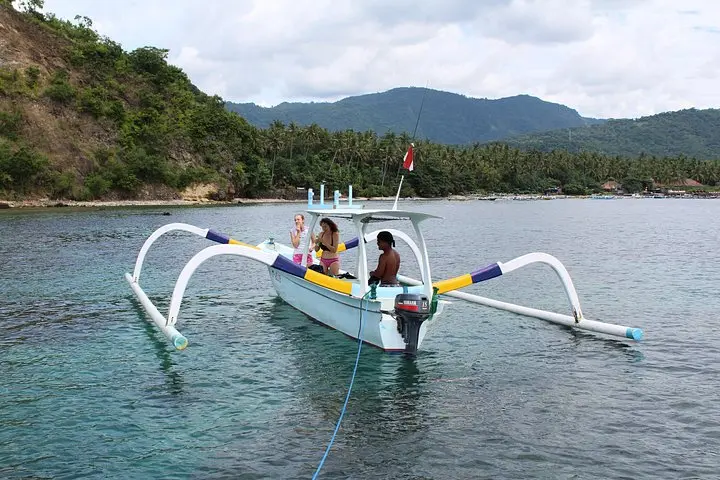
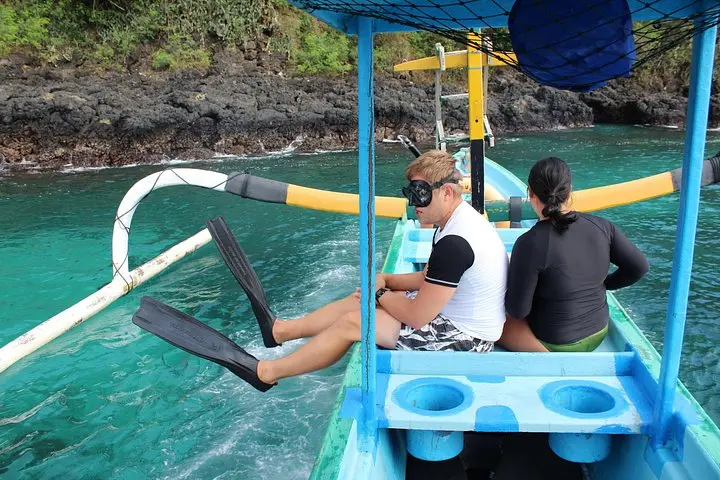
You step off a shaded jetty in Padangbai as a traditional jukung rocks gently against the hull, the air humid with salt and frangipani. Morning light cuts across turquoise water and the reef below is already visible — a moving mosaic of coral heads and darting fish.
Verified experiences and guided adventures in the surrounding area.
Operated by Bali Yowana Tour · Padangbai, Bali
You step off a shaded jetty in Padangbai as a traditional jukung rocks gently against the hull, the air humid with salt and frangipani. Morning light cuts across turquoise water and the reef below is already visible — a moving mosaic of coral heads and darting fish.
East Bali’s Blue Lagoon sits on volcanic limestone and old reef terraces, a sheltered cove that has long supported village fishing and small-scale saltwater husbandry. Geologically, the shoreline reflects Bali’s volcanic past: pockets of sand and rock shelves create calm snorkeling lanes, and nearby Tanjung Jepun offers steeper coral gardens. Culturally, Padangbai remains a working fishing village; boat crews and local guides share practical knowledge about currents, best entry points, and respect for reef life.
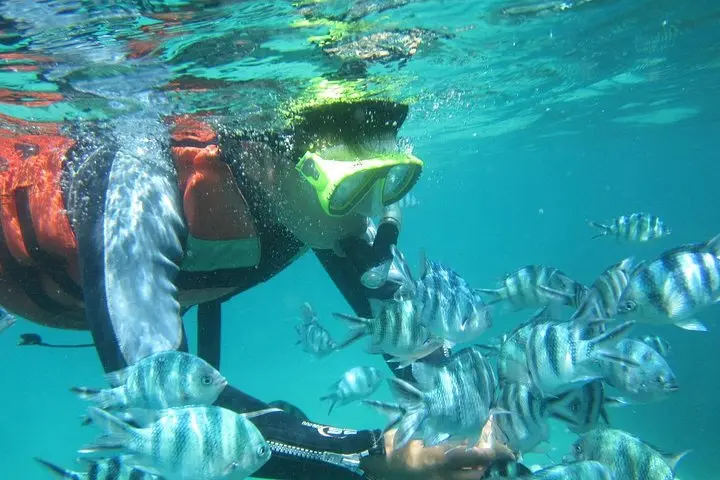
Expect 2 hours in the water across two sites with a traditional boat transfer between them. Marine highlights commonly include clownfish in anemones, banded sea snakes, moray eels in crevices, and varied hard and soft corals. Visibility is typically best in the dry season (April–October) but even in the rains the lagoon can be sheltered.
Practical guidance: arrive hydrated, wear reef-safe sunscreen and a snug mask, and use a life vest if you’re not a confident swimmer. Photography is easiest from a floating platform or shallow coral heads — avoid standing on reef. If you plan to extend the day with the Gate of Heaven or a waterfall, factor in 2–4 extra hours for travel and photos. The trip is accessible for most fitness levels but follow local briefings about marine safety and conservation.
Snorkeling across Blue Lagoon and Tanjung Jepun typically totals about 1.5–2 hours in the water, within a 5–6 hour door‑to‑door tour.
Yes—life vests are provided and required for non‑confident swimmers; guides can also offer flotation assistance.
Yes—there are upgrade options, but adding those stops can extend the day to 10–12 hours depending on hotel location and traffic.
Yes—beginners are welcome; guides give a safety briefing, and sheltered lagoon conditions make it an accessible introduction to snorkeling.
Bali Yowana Tour operates guided outdoor trips and adventures with an emphasis on safety, stewardship, and memorable experiences.

You step off a shaded jetty in Padangbai as a traditional jukung rocks gently against the hull, the air humid with salt and frangipani. Morning light cuts across turquoise water and the reef below is already visible — a moving mosaic of coral heads and darting fish.
You step off a shaded jetty in Padangbai as a traditional jukung rocks gently against the hull, the air humid with salt and frangipani. Morning light cuts across turquoise water and the reef below is already visible — a moving mosaic of coral heads and darting fish.
East Bali’s Blue Lagoon sits on volcanic limestone and old reef terraces, a sheltered cove that has long supported village fishing and small-scale saltwater husbandry. Geologically, the shoreline reflects Bali’s volcanic past: pockets of sand and rock shelves create calm snorkeling lanes, and nearby Tanjung Jepun offers steeper coral gardens. Culturally, Padangbai remains a working fishing village; boat crews and local guides share practical knowledge about currents, best entry points, and respect for reef life.
Expect 2 hours in the water across two sites with a traditional boat transfer between them. Marine highlights commonly include clownfish in anemones, banded sea snakes, moray eels in crevices, and varied hard and soft corals. Visibility is typically best in the dry season (April–October) but even in the rains the lagoon can be sheltered.
Practical guidance: arrive hydrated, wear reef-safe sunscreen and a snug mask, and use a life vest if you’re not a confident swimmer. Photography is easiest from a floating platform or shallow coral heads — avoid standing on reef. If you plan to extend the day with the Gate of Heaven or a waterfall, factor in 2–4 extra hours for travel and photos. The trip is accessible for most fitness levels but follow local briefings about marine safety and conservation.