THE ADVENTURE COLLECTIVE® · Independent discovery and booking for outdoor travel

Escape the crowds on Bali’s east coast with guided snorkeling at Blue Lagoon and Tanjung Jepun. Expect clear water, healthy coral ledges, and regular turtle and reef shark sightings—ideal for beginners and experienced snorkelers alike.
Escape the crowds on Bali’s east coast with guided snorkeling at Blue Lagoon and Tanjung Jepun. Expect clear water, healthy coral ledges, and regular turtle and reef shark sightings—ideal for beginners and experienced snorkelers alike.
You step off the boat into a shallow reef garden where sunlight slices the water into bands of blue; corals fan and parrotfish graze like busy gardeners. East Bali’s Blue Lagoon and neighboring Tanjung Jepun sit on a quieter stretch of coastline, where the sea often feels private and the reef slopes quickly into deeper blue.
Verified experiences and guided adventures in the surrounding area.
Operated by Telaga Waja River Rafting · Padangbai, Bali
You step off the boat into a shallow reef garden where sunlight slices the water into bands of blue; corals fan and parrotfish graze like busy gardeners. East Bali’s Blue Lagoon and neighboring Tanjung Jepun sit on a quieter stretch of coastline, where the sea often feels private and the reef slopes quickly into deeper blue.
The east coast has long been a crossing point for traders and fishermen; volcanic eruptions of nearby Mount Agung shaped the seabed and created the rocky outcrops and sandy coves you’ll see. Coral terraces here host a diversity typical of the Coral Triangle—butterflyfish, morays, and reef sharks patrol characteristic ledges while turtles graze seagrass flats.
Local fishing villages still practice small-scale netting and ceremonial offerings to the sea, so visitors should be respectful of rituals and marine life. Geologically, the coastline mixes volcanic rock with calcareous reef growth, producing pockets of white sand and sheltered swim spots.
Practical guidance: expect a 6‑hour excursion with hotel pickup, boat transfers between two snorkel sites, and a guide/instructor. Visibility is best on calm, low-wind mornings; bring a lightweight rash guard, reef‑safe sunscreen, and a waterproof camera. Wear sturdy sandals for the rocky shore approach and a full mask or prescription lenses if you need clearer sight underwater. If you’re new to snorkeling, instructors will brief you; if you’re an experienced snorkeler, watch for occasional currents when moving between reef patches.
Plan for a small group (max ~15), modest facilities ashore, and a chance to upgrade the day with nearby cultural stops if you prefer a longer itinerary.
From central south Bali (Kuta/Denpasar) expect about a 60–90 minute land transfer to Padangbai, then short boat hops between snorkel sites.
Yes—this tour accepts children (minimum age often 5) and includes instructor-led briefings and flotation aids; basic swimming comfort is required.
Common sightings include green sea turtles, butterflyfish, moray eels, lionfish, and occasional small reef sharks; sightings depend on weather and visibility.
Yes—bringing your own mask and snorkel is recommended for fit and comfort, though rental equipment is usually provided and included.
Telaga Waja River Rafting operates guided outdoor trips and adventures with an emphasis on safety, stewardship, and memorable experiences.
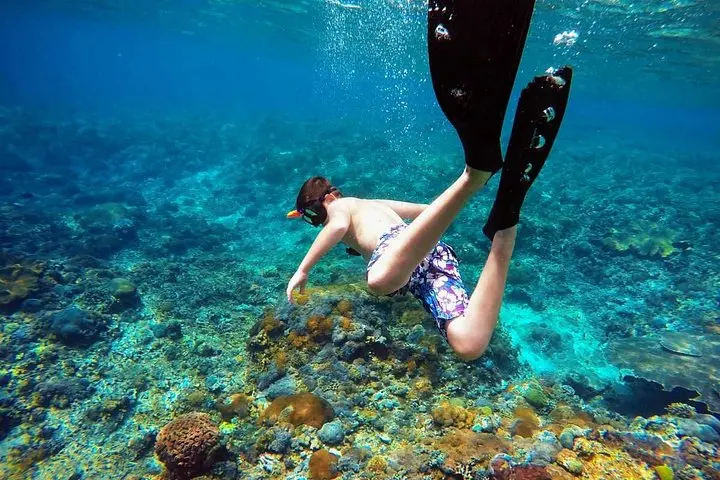
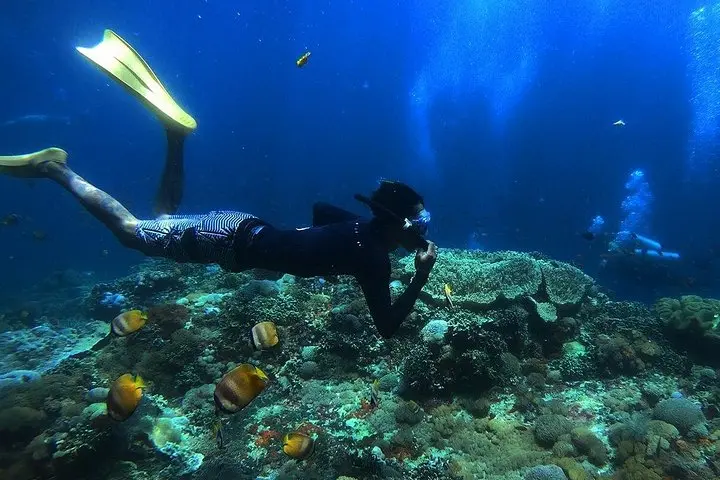
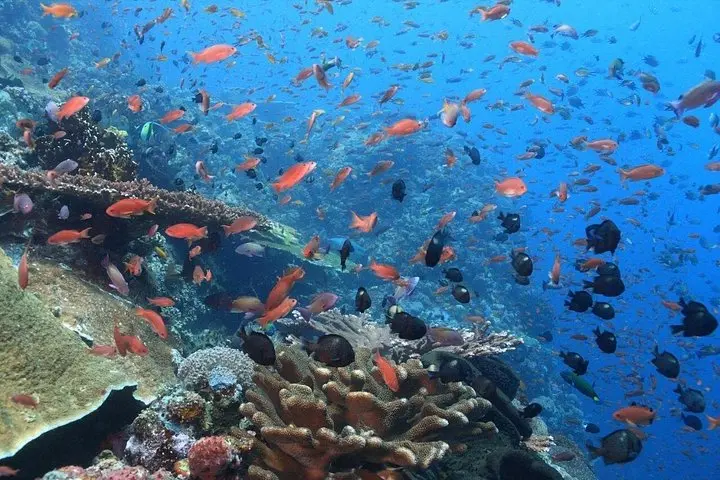
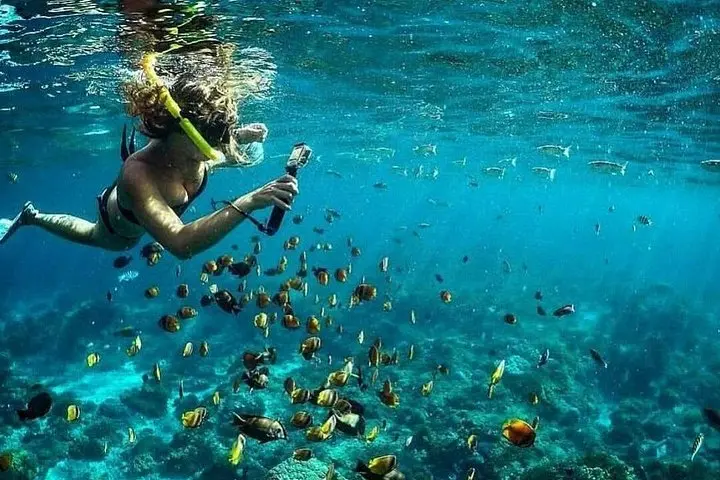
You step off the boat into a shallow reef garden where sunlight slices the water into bands of blue; corals fan and parrotfish graze like busy gardeners. East Bali’s Blue Lagoon and neighboring Tanjung Jepun sit on a quieter stretch of coastline, where the sea often feels private and the reef slopes quickly into deeper blue.
You step off the boat into a shallow reef garden where sunlight slices the water into bands of blue; corals fan and parrotfish graze like busy gardeners. East Bali’s Blue Lagoon and neighboring Tanjung Jepun sit on a quieter stretch of coastline, where the sea often feels private and the reef slopes quickly into deeper blue.
The east coast has long been a crossing point for traders and fishermen; volcanic eruptions of nearby Mount Agung shaped the seabed and created the rocky outcrops and sandy coves you’ll see. Coral terraces here host a diversity typical of the Coral Triangle—butterflyfish, morays, and reef sharks patrol characteristic ledges while turtles graze seagrass flats.
Local fishing villages still practice small-scale netting and ceremonial offerings to the sea, so visitors should be respectful of rituals and marine life. Geologically, the coastline mixes volcanic rock with calcareous reef growth, producing pockets of white sand and sheltered swim spots.
Practical guidance: expect a 6‑hour excursion with hotel pickup, boat transfers between two snorkel sites, and a guide/instructor. Visibility is best on calm, low-wind mornings; bring a lightweight rash guard, reef‑safe sunscreen, and a waterproof camera. Wear sturdy sandals for the rocky shore approach and a full mask or prescription lenses if you need clearer sight underwater. If you’re new to snorkeling, instructors will brief you; if you’re an experienced snorkeler, watch for occasional currents when moving between reef patches.
Plan for a small group (max ~15), modest facilities ashore, and a chance to upgrade the day with nearby cultural stops if you prefer a longer itinerary.