THE ADVENTURE COLLECTIVE® · Independent discovery and booking for outdoor travel

Drive into the Blue Mountains for a half-day tour that pairs mountain scenery with hands-on coffee processing and a complimentary cup. Learn how Spring Hill’s soils and cloud cover shape Jamaica Blue Mountain flavor, and enjoy lunch with local options.
Drive into the Blue Mountains for a half-day tour that pairs mountain scenery with hands-on coffee processing and a complimentary cup. Learn how Spring Hill’s soils and cloud cover shape Jamaica Blue Mountain flavor, and enjoy lunch with local options.
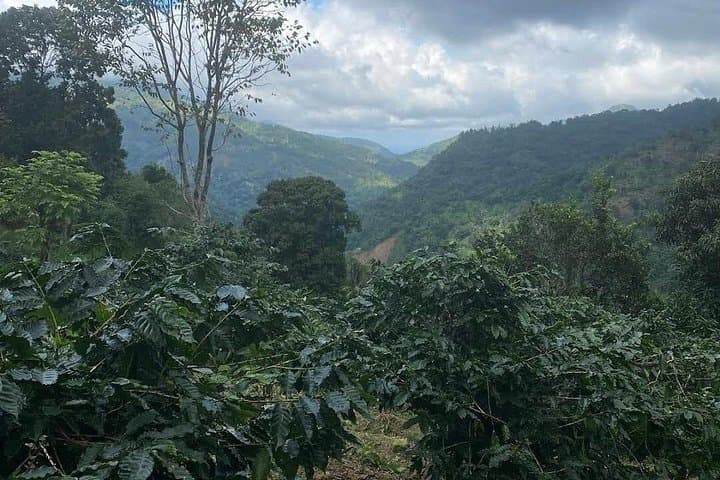
A cool mist clings to the roadside as the air climbs into the lower slopes of Portland’s Blue Mountains; banana palms and avocado trees bow past low stone walls while the road threads higher toward Spring Hill. The drive from Port Antonio unfolds like a slow reveal — river valleys, sudden lookout points and a shift from coastal humidity to the drier, aromatic chill where coffee trees take root.
Verified experiences and guided adventures in the surrounding area.
Operated by Bamboo Rafting and Tours Jamaica · Port Antonio, Portland
A cool mist clings to the roadside as the air climbs into the lower slopes of Portland’s Blue Mountains; banana palms and avocado trees bow past low stone walls while the road threads higher toward Spring Hill. The drive from Port Antonio unfolds like a slow reveal — river valleys, sudden lookout points and a shift from coastal humidity to the drier, aromatic chill where coffee trees take root.
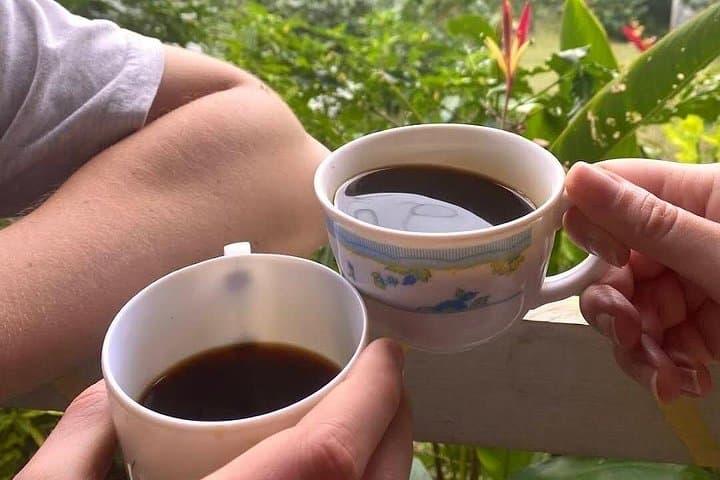
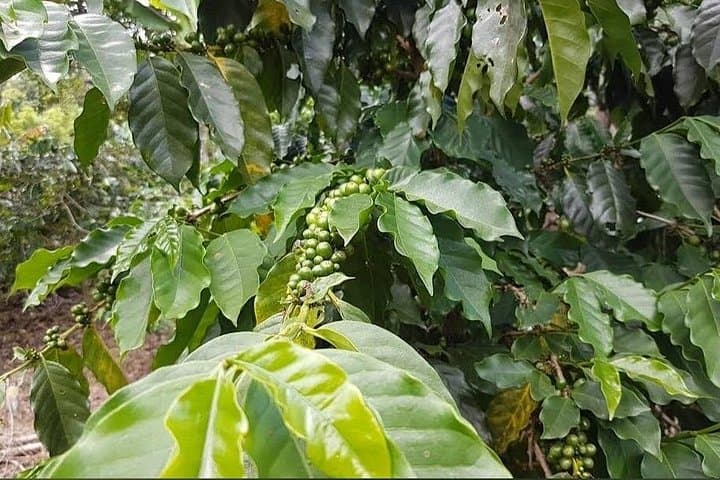
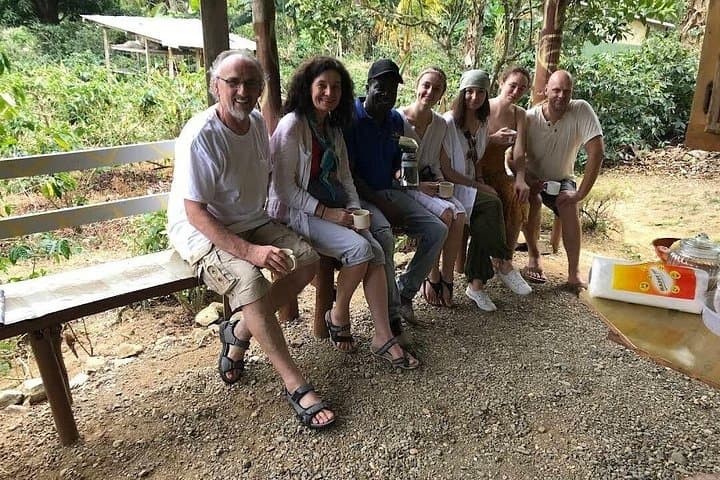
Spring Hill sits on volcanic soils formed from ancient uplift and tropical rains, soils that helped make Blue Mountain coffee world-famous in the 19th century. Visitors meet a local grower, watch cherries travel from tree to drying patio, and taste a steaming cup that carries the mountain’s altitude and shade-grown character. Along the way, conversations touch on estate histories, smallholder practices and how geography—steep slopes and persistent cloud cover—shapes flavor.
Practicalities are straightforward: tours run about five hours with roughly 1 hour 15 minutes each way. Expect uneven farm tracks, short uphill walks and shaded trails; comfortable walking shoes and a light rain layer are wise. Lunch is included with options to eat on the farm or at nearby eateries offering jerk and local plates. Bring cash for beans, ground coffee and the occasional bottle of coffee liqueur; small farms prefer direct purchase.
Timing matters — visit during the harvest months to see processing in action, or in the dry season for clearer views. The tour balances sensory detail with hands-on learning, making it a solid half-day outing for anyone who enjoys food, geology and the kind of low-key mountain travel that rewards curiosity.
Yes — private, air-conditioned transport is included; the drive to Spring Hill is roughly 1 hour 15 minutes each way.
Yes — a complimentary cup is included and farms typically have beans, ground coffee and coffee liqueur available for purchase.
Expect short walks around the farm and processing areas, including some uphill and uneven surfaces; moderate mobility is recommended.
Lunch is included with options to eat on the farm or at local eateries; communicate dietary restrictions at booking so guides can advise choices.
Bamboo Rafting and Tours Jamaica operates guided outdoor trips and adventures with an emphasis on safety, stewardship, and memorable experiences.
A cool mist clings to the roadside as the air climbs into the lower slopes of Portland’s Blue Mountains; banana palms and avocado trees bow past low stone walls while the road threads higher toward Spring Hill. The drive from Port Antonio unfolds like a slow reveal — river valleys, sudden lookout points and a shift from coastal humidity to the drier, aromatic chill where coffee trees take root.
A cool mist clings to the roadside as the air climbs into the lower slopes of Portland’s Blue Mountains; banana palms and avocado trees bow past low stone walls while the road threads higher toward Spring Hill. The drive from Port Antonio unfolds like a slow reveal — river valleys, sudden lookout points and a shift from coastal humidity to the drier, aromatic chill where coffee trees take root.
Spring Hill sits on volcanic soils formed from ancient uplift and tropical rains, soils that helped make Blue Mountain coffee world-famous in the 19th century. Visitors meet a local grower, watch cherries travel from tree to drying patio, and taste a steaming cup that carries the mountain’s altitude and shade-grown character. Along the way, conversations touch on estate histories, smallholder practices and how geography—steep slopes and persistent cloud cover—shapes flavor.
Practicalities are straightforward: tours run about five hours with roughly 1 hour 15 minutes each way. Expect uneven farm tracks, short uphill walks and shaded trails; comfortable walking shoes and a light rain layer are wise. Lunch is included with options to eat on the farm or at nearby eateries offering jerk and local plates. Bring cash for beans, ground coffee and the occasional bottle of coffee liqueur; small farms prefer direct purchase.
Timing matters — visit during the harvest months to see processing in action, or in the dry season for clearer views. The tour balances sensory detail with hands-on learning, making it a solid half-day outing for anyone who enjoys food, geology and the kind of low-key mountain travel that rewards curiosity.