THE ADVENTURE COLLECTIVE® · Independent discovery and booking for outdoor travel

Scale Jamaica’s highest summit on a full-day trek through cloud forest and coffee country. This Blue Mountains Peak Hike pairs off-road jeep access with a sustained 3–4 hour ascent and local cultural stops.
Scale Jamaica’s highest summit on a full-day trek through cloud forest and coffee country. This Blue Mountains Peak Hike pairs off-road jeep access with a sustained 3–4 hour ascent and local cultural stops.
You start before dawn, a circle of headlamps bobbing as the jeep drops you at the off-road trailhead and the mountains inhale the last of the night.
Verified experiences and guided adventures in the surrounding area.
Operated by Blue Mountains Adventure Tours SBS · Kingston, St. Andrew Parish
You start before dawn, a circle of headlamps bobbing as the jeep drops you at the off-road trailhead and the mountains inhale the last of the night.
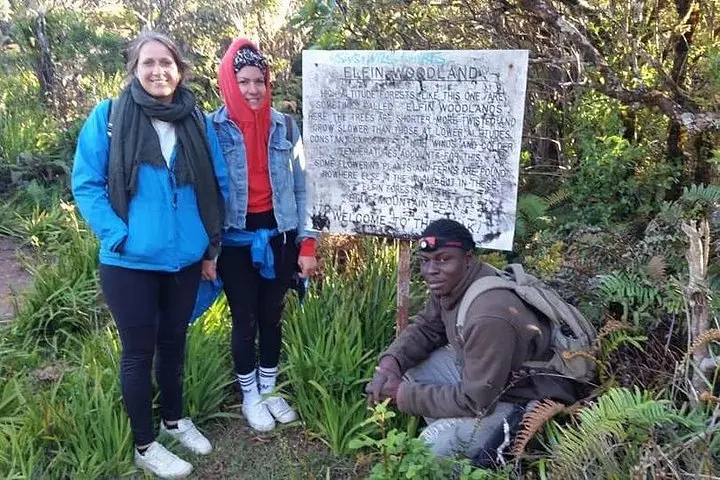
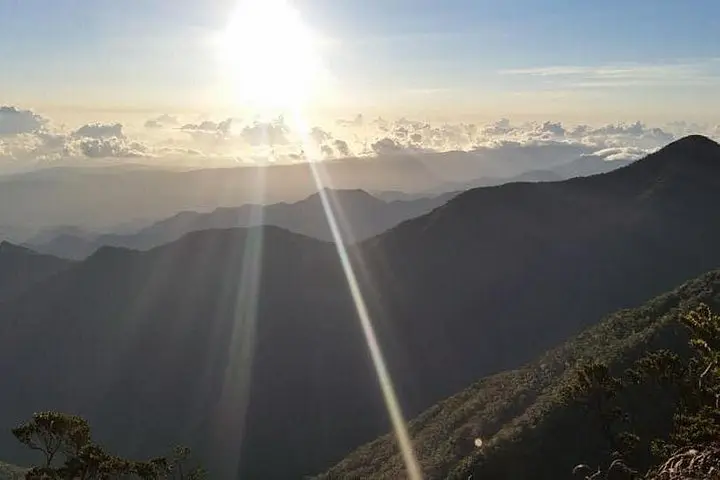
The path slices through fern groves and moss-slick roots, climbing through cloud forest where mist wraps the trees like a moving wall. At higher elevations, the canopy opens to views of the Caribbean glittering far below; the peak dares you to keep going with a cold wind that pushes and tests your rhythm.
The Blue Mountains were formed by volcanic activity and deep erosion; their soils yield famed Blue Mountain coffee, still roasted by small farms clinging to steep slopes. Cultural ties run deep — Maroon communities and colonial-era pathways shaped the human story here, and local guides like former park rangers share plant lore, insect behavior, and waterfall spots that never make the guidebooks.
Expect a long day: the core climb is commonly 3–4 hours each way from the trackhead, with total outing time around 10–12 hours including drives and stops. Terrain alternates from rocky switchbacks to rooty singletrack and occasional muddy stretches after rain. Plan to move deliberately at higher elevation where thin air feels crisp and the wind speaks up.
Practical notes: start at or before sunrise to avoid afternoon storms, carry at least 2–3 liters of water, layered clothing, and a waterproof shell. Wear stiff-soled hiking boots for traction and bring a headlamp for pre-dawn or dusk sections. If you want a lighter day, consider arranging local pickup and short river dips on the return to cool off.
From the common trailhead it’s typically 3–4 hours each way; allow 10–12 hours total including drives and stops.
Guides are strongly recommended for navigation, local knowledge, and safety; many operators include transport and a former ranger guide.
Sunrise climbs are popular to avoid afternoon clouds and storms; late afternoon climbs for sunset are possible but require a reliable headlamp for descent.
Local communities offer basic food and some guest accommodation by request; organizers commonly include a local meal on return.
Blue Mountains Adventure Tours SBS operates guided outdoor trips and adventures with an emphasis on safety, stewardship, and memorable experiences.

You start before dawn, a circle of headlamps bobbing as the jeep drops you at the off-road trailhead and the mountains inhale the last of the night.
You start before dawn, a circle of headlamps bobbing as the jeep drops you at the off-road trailhead and the mountains inhale the last of the night.
The path slices through fern groves and moss-slick roots, climbing through cloud forest where mist wraps the trees like a moving wall. At higher elevations, the canopy opens to views of the Caribbean glittering far below; the peak dares you to keep going with a cold wind that pushes and tests your rhythm.
The Blue Mountains were formed by volcanic activity and deep erosion; their soils yield famed Blue Mountain coffee, still roasted by small farms clinging to steep slopes. Cultural ties run deep — Maroon communities and colonial-era pathways shaped the human story here, and local guides like former park rangers share plant lore, insect behavior, and waterfall spots that never make the guidebooks.
Expect a long day: the core climb is commonly 3–4 hours each way from the trackhead, with total outing time around 10–12 hours including drives and stops. Terrain alternates from rocky switchbacks to rooty singletrack and occasional muddy stretches after rain. Plan to move deliberately at higher elevation where thin air feels crisp and the wind speaks up.
Practical notes: start at or before sunrise to avoid afternoon storms, carry at least 2–3 liters of water, layered clothing, and a waterproof shell. Wear stiff-soled hiking boots for traction and bring a headlamp for pre-dawn or dusk sections. If you want a lighter day, consider arranging local pickup and short river dips on the return to cool off.