THE ADVENTURE COLLECTIVE® · Independent discovery and booking for outdoor travel

Watch wallabies emerge as sandstone cliffs turn to flame at sunset on an 11‑hour small-group Blue Mountains tour. This twilight run delivers quieter lookouts, local snacks at dusk, and a compact introduction to the park’s geology and wildlife.
Watch wallabies emerge as sandstone cliffs turn to flame at sunset on an 11‑hour small-group Blue Mountains tour. This twilight run delivers quieter lookouts, local snacks at dusk, and a compact introduction to the park’s geology and wildlife.
Late afternoon light thins across the sandstone escarpments as the coach winds up the Great Western Highway and the valley exhales cool eucalyptus oil. By sunset the cliffs at Echo Point and quieter lookouts glow ochre, and small mobs of wallabies step into the open — cautious, curious, and largely indifferent to the bustle of humans.
Verified experiences and guided adventures in the surrounding area.
Operated by Blue Mountains Eco Tours · Katoomba, New South Wales
Late afternoon light thins across the sandstone escarpments as the coach winds up the Great Western Highway and the valley exhales cool eucalyptus oil. By sunset the cliffs at Echo Point and quieter lookouts glow ochre, and small mobs of wallabies step into the open — cautious, curious, and largely indifferent to the bustle of humans.
The Blue Mountains are part of the Greater Blue Mountains World Heritage Area, carved from sedimentary rock and sculpted by a long history of fire and weather. Aboriginal peoples — primarily the Gundungurra and Darug — have lived on this plateau for millennia; their songlines thread the ridgelines and river valleys. European explorers arrived in the early 1800s, opening tracks that later became the area’s tourist routes.
On this small-group twilight tour you travel away from busier daytime lookouts to quieter valleys where kangaroos and wallabies forage at dusk. Expect mixed terrain at viewpoints and short, guided walks rather than multi-hour hikes; the operators include an afternoon tea with local cheese and seasonal fruit as the sun falls.
Practical notes: bring layered clothing for rapid temperature drops, a headlamp or flashlight for the return if you’ll be walking after dark, and binoculars for spotting shy wildlife. Stay on designated paths, keep a respectful distance from animals, and plan for an 11-hour day that starts in the afternoon and finishes back in the city after dark. The experience balances dramatic lookout moments, wildlife observation, and cultural context — ideal for travelers wanting a compact but reflective Blue Mountains evening.
The tour runs approximately 11 hours and typically departs in the afternoon to arrive at lookouts by sunset.
Sightings are very likely at dusk in quieter valleys, but wildlife is wild and sightings cannot be guaranteed.
Pickup is commonly offered—confirm your specific pickup point and time with the operator when booking.
Infant seats are available, but check the operator’s age and safety policies; the tour requires moderate mobility and isn’t suitable for those with serious back or heart conditions.
Blue Mountains Eco Tours operates guided outdoor trips and adventures with an emphasis on safety, stewardship, and memorable experiences.
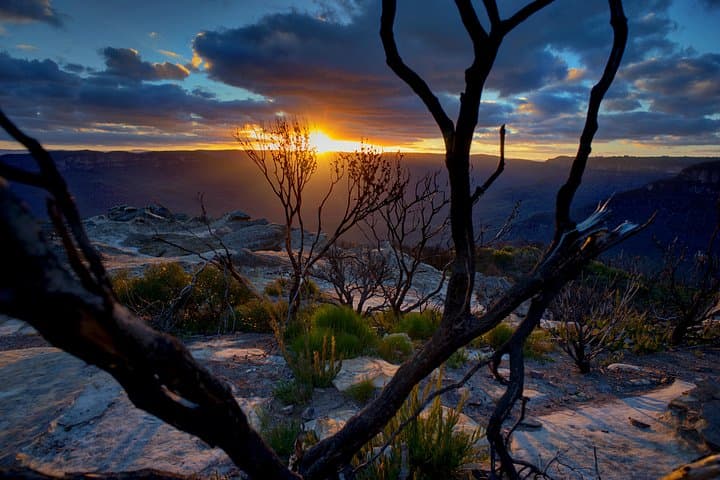
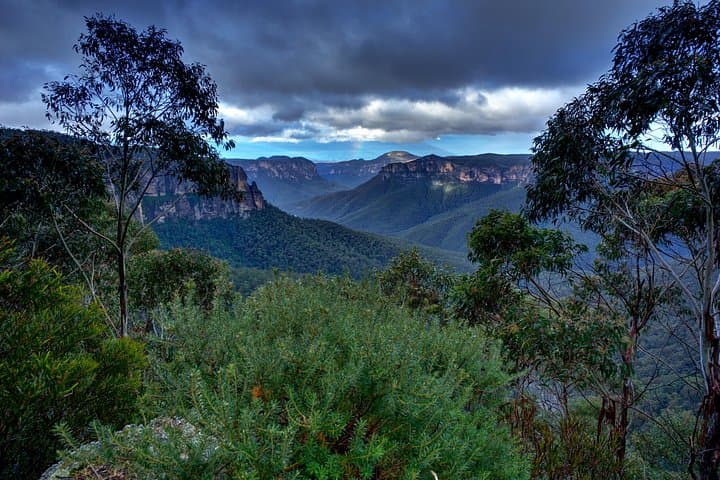
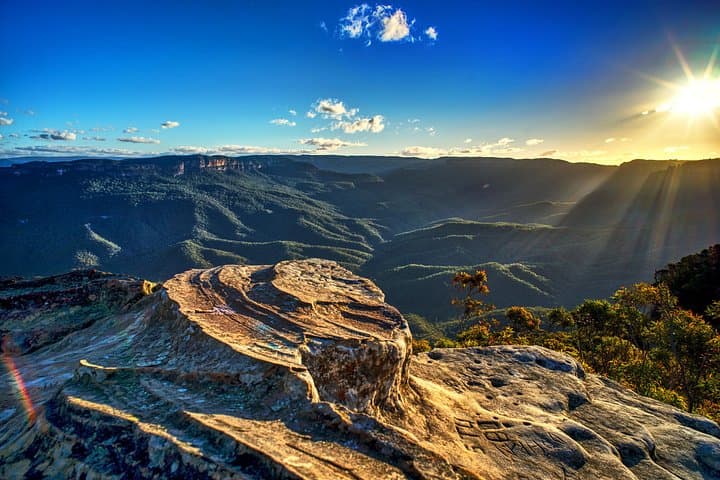

Late afternoon light thins across the sandstone escarpments as the coach winds up the Great Western Highway and the valley exhales cool eucalyptus oil. By sunset the cliffs at Echo Point and quieter lookouts glow ochre, and small mobs of wallabies step into the open — cautious, curious, and largely indifferent to the bustle of humans.
Late afternoon light thins across the sandstone escarpments as the coach winds up the Great Western Highway and the valley exhales cool eucalyptus oil. By sunset the cliffs at Echo Point and quieter lookouts glow ochre, and small mobs of wallabies step into the open — cautious, curious, and largely indifferent to the bustle of humans.
The Blue Mountains are part of the Greater Blue Mountains World Heritage Area, carved from sedimentary rock and sculpted by a long history of fire and weather. Aboriginal peoples — primarily the Gundungurra and Darug — have lived on this plateau for millennia; their songlines thread the ridgelines and river valleys. European explorers arrived in the early 1800s, opening tracks that later became the area’s tourist routes.
On this small-group twilight tour you travel away from busier daytime lookouts to quieter valleys where kangaroos and wallabies forage at dusk. Expect mixed terrain at viewpoints and short, guided walks rather than multi-hour hikes; the operators include an afternoon tea with local cheese and seasonal fruit as the sun falls.
Practical notes: bring layered clothing for rapid temperature drops, a headlamp or flashlight for the return if you’ll be walking after dark, and binoculars for spotting shy wildlife. Stay on designated paths, keep a respectful distance from animals, and plan for an 11-hour day that starts in the afternoon and finishes back in the city after dark. The experience balances dramatic lookout moments, wildlife observation, and cultural context — ideal for travelers wanting a compact but reflective Blue Mountains evening.