THE ADVENTURE COLLECTIVE® · Independent discovery and booking for outdoor travel

Three days across Ethiopia’s highlands: a boat trip among Lake Tana’s island monasteries, a walk to the thunder of Blue Nile Falls, and guided exploration of Lalibela’s 12th‑century rock‑hewn churches. Practical, packed, and steeped in history.
Three days across Ethiopia’s highlands: a boat trip among Lake Tana’s island monasteries, a walk to the thunder of Blue Nile Falls, and guided exploration of Lalibela’s 12th‑century rock‑hewn churches. Practical, packed, and steeped in history.
You step off the short domestic flight into cool, thin air and the highland light cuts the horizon—first Bahir Dar’s lakeshore breeze, then Lalibela’s ochre cliffs. On Day 1 a boat eases across Lake Tana, the water daring you to look for islands where monks keep manuscripts and centuries of worship. Later a short drive drops you into the Blue Nile gorge; the falls plunge about 45 meters, spray dusting the gorge and local farmers greeting travelers on the river trail.
Verified experiences and guided adventures in the surrounding area.
Operated by WALK IN ETHIOPIA TOUR AND TRAVEL · Lalibela, Amhara Region
You step off the short domestic flight into cool, thin air and the highland light cuts the horizon—first Bahir Dar’s lakeshore breeze, then Lalibela’s ochre cliffs. On Day 1 a boat eases across Lake Tana, the water daring you to look for islands where monks keep manuscripts and centuries of worship. Later a short drive drops you into the Blue Nile gorge; the falls plunge about 45 meters, spray dusting the gorge and local farmers greeting travelers on the river trail.
These sites bridge Ethiopia’s medieval Christian heritage and its dramatic geology. Lake Tana’s 37 islands harbor 14th‑century monasteries that stored royal relics and illuminated manuscripts; Lalibela’s 11 rock‑hewn churches were carved from a single volcanic terrace in the 12th century under King Lalibela’s commission. Visiting means moving through narrow tunnels, stone courtyards and pillar‑supported sanctuaries like Bete Medhani Alem — a living shrine still used for worship.
Expect uneven stone steps, short hikes between clusters of churches, and boat transfers on Lake Tana. Altitude ranges from roughly 1,800 m at Bahir Dar to 2,300 m in Lalibela, so take time to hydrate and move deliberately. Dress modestly inside churches, remove shoes, and follow guides around fragile manuscripts and frescoes. Logistics: domestic flights link Addis Ababa → Bahir Dar → Lalibela; local guides handle permits and site fees. Pack sturdy shoes, a lightweight rain layer, sun protection, and small bills in Ethiopian birr for tips and market purchases. The route combines cultural immersion with brisk, accessible walking—ideal for travelers who want history, landscape, and straightforward planning in one compact itinerary.
Yes — the itinerary includes domestic flights Addis→Bahir Dar and Bahir Dar→Lalibela as listed in the inclusions.
Your guide typically arranges site admissions and local permits, but bring identification and some cash to cover any local fees.
The tour is labeled 'physically easy' for basic mobility levels, but uneven steps and altitude may be challenging—consult your operator about specific mobility needs.
October–May are generally drier and offer more stable travel conditions; avoid June–August if you want to minimize rain disruptions.
WALK IN ETHIOPIA TOUR AND TRAVEL operates guided outdoor trips and adventures with an emphasis on safety, stewardship, and memorable experiences.

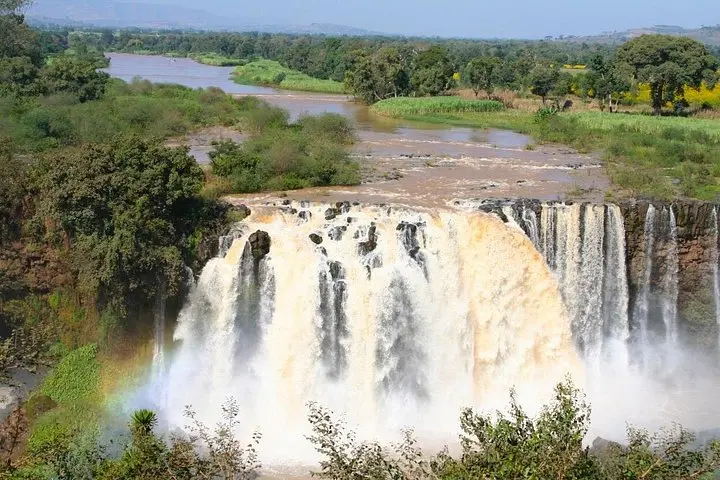

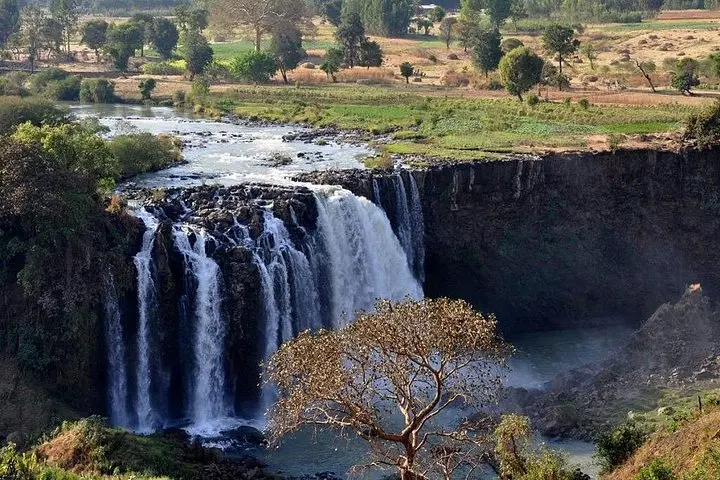
You step off the short domestic flight into cool, thin air and the highland light cuts the horizon—first Bahir Dar’s lakeshore breeze, then Lalibela’s ochre cliffs. On Day 1 a boat eases across Lake Tana, the water daring you to look for islands where monks keep manuscripts and centuries of worship. Later a short drive drops you into the Blue Nile gorge; the falls plunge about 45 meters, spray dusting the gorge and local farmers greeting travelers on the river trail.
You step off the short domestic flight into cool, thin air and the highland light cuts the horizon—first Bahir Dar’s lakeshore breeze, then Lalibela’s ochre cliffs. On Day 1 a boat eases across Lake Tana, the water daring you to look for islands where monks keep manuscripts and centuries of worship. Later a short drive drops you into the Blue Nile gorge; the falls plunge about 45 meters, spray dusting the gorge and local farmers greeting travelers on the river trail.
These sites bridge Ethiopia’s medieval Christian heritage and its dramatic geology. Lake Tana’s 37 islands harbor 14th‑century monasteries that stored royal relics and illuminated manuscripts; Lalibela’s 11 rock‑hewn churches were carved from a single volcanic terrace in the 12th century under King Lalibela’s commission. Visiting means moving through narrow tunnels, stone courtyards and pillar‑supported sanctuaries like Bete Medhani Alem — a living shrine still used for worship.
Expect uneven stone steps, short hikes between clusters of churches, and boat transfers on Lake Tana. Altitude ranges from roughly 1,800 m at Bahir Dar to 2,300 m in Lalibela, so take time to hydrate and move deliberately. Dress modestly inside churches, remove shoes, and follow guides around fragile manuscripts and frescoes. Logistics: domestic flights link Addis Ababa → Bahir Dar → Lalibela; local guides handle permits and site fees. Pack sturdy shoes, a lightweight rain layer, sun protection, and small bills in Ethiopian birr for tips and market purchases. The route combines cultural immersion with brisk, accessible walking—ideal for travelers who want history, landscape, and straightforward planning in one compact itinerary.