THE ADVENTURE COLLECTIVE® · Independent discovery and booking for outdoor travel

Spend a full day aboard a traditional Arab dhow sailing to sandbanks, snorkeling clear reefs, and walking to a centuries-old baobab on Kwale Island. This Blue Safari blends hands-on local maritime culture with accessible snorkeling and a seafood lunch.
Spend a full day aboard a traditional Arab dhow sailing to sandbanks, snorkeling clear reefs, and walking to a centuries-old baobab on Kwale Island. This Blue Safari blends hands-on local maritime culture with accessible snorkeling and a seafood lunch.
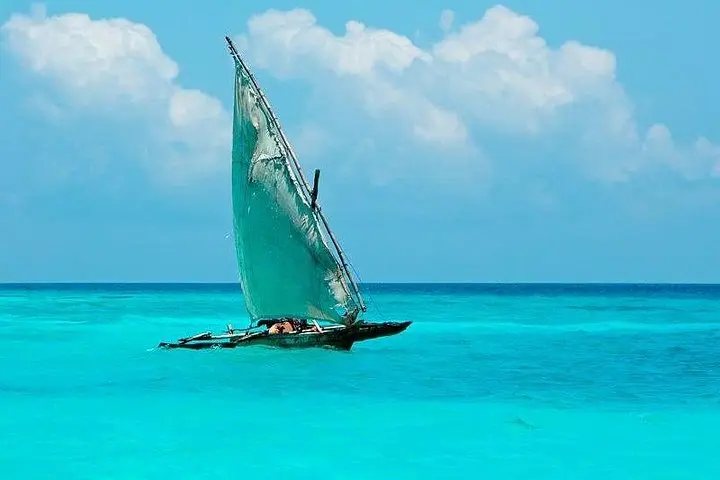
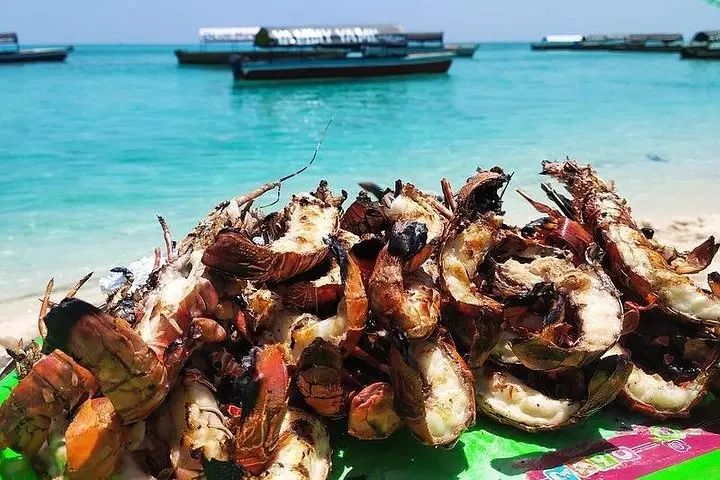
The dhow slips away from the pier and a wide, clean horizon opens: wind against canvas, turquoise water lifting the hull. You trade the island’s stone streets for salt on your lips and an easy, sunlit rhythm—stops on a sandbank for snorkeling, a seafood lunch under a lean tree, and a walk to a centuries-old baobab that watches over Kwale Island.
Verified experiences and guided adventures in the surrounding area.
Operated by Beach & Safari · Stone Town, Zanzibar
The dhow slips away from the pier and a wide, clean horizon opens: wind against canvas, turquoise water lifting the hull. You trade the island’s stone streets for salt on your lips and an easy, sunlit rhythm—stops on a sandbank for snorkeling, a seafood lunch under a lean tree, and a walk to a centuries-old baobab that watches over Kwale Island.
This route runs along the eastern shore of Unguja, where the Swahili coast’s seafaring history meets coral reef geology. The dhows themselves are part of that living tradition—Arab-style wooden boats that shaped regional trade for centuries and are still sailed by local captains who know how tides and currents redraw the lagoon.
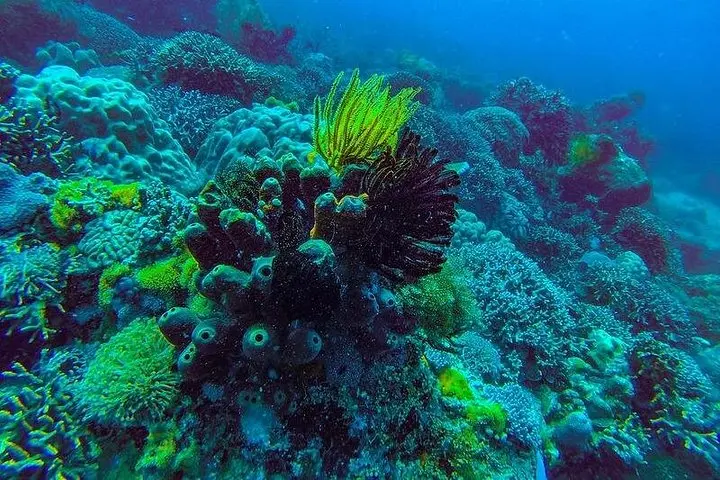
Culturally, expect a relaxed pace: lunch served family-style, small-island hospitality, and local guides who point out shell middens, coral bommies, and the old baobab. Geologically, the blue lagoon’s color comes from shallow white sand over clear water and near-surface coral structures that scatter light.
Practical guidance: the trip is a full eight hours, so bring reef-safe sunscreen, a hat, and a waterproof camera. Snorkeling equipment is provided but water shoes help for the sandbank and shallow reefs. Seas can be calm or choppy—check tide and weather and consider motion-sickness medication if you’re sensitive. Pickup and drop-off are typically included; confirm the meeting time and bring cash for tips and souvenirs.
By midday the ocean dares you to linger: clear water, bright fish, and a quiet island that rewards slow exploration.
Yes—basic snorkeling gear is included, but you may prefer to bring a mask or fins that fit you better.
The tour is approximately 8 hours and typically includes hotel pickup/drop‑off, snorkeling, lunch, bottled water, and a guided visit to Kwale Island.
Children can join; infants must sit on an adult’s lap. Confirm age and safety arrangements when booking.
The operator may cancel for bad weather; you should be eligible for a full refund if canceled at least 24 hours before departure per the policy.
Beach & Safari operates guided outdoor trips and adventures with an emphasis on safety, stewardship, and memorable experiences.

The dhow slips away from the pier and a wide, clean horizon opens: wind against canvas, turquoise water lifting the hull. You trade the island’s stone streets for salt on your lips and an easy, sunlit rhythm—stops on a sandbank for snorkeling, a seafood lunch under a lean tree, and a walk to a centuries-old baobab that watches over Kwale Island.
The dhow slips away from the pier and a wide, clean horizon opens: wind against canvas, turquoise water lifting the hull. You trade the island’s stone streets for salt on your lips and an easy, sunlit rhythm—stops on a sandbank for snorkeling, a seafood lunch under a lean tree, and a walk to a centuries-old baobab that watches over Kwale Island.
This route runs along the eastern shore of Unguja, where the Swahili coast’s seafaring history meets coral reef geology. The dhows themselves are part of that living tradition—Arab-style wooden boats that shaped regional trade for centuries and are still sailed by local captains who know how tides and currents redraw the lagoon.
Culturally, expect a relaxed pace: lunch served family-style, small-island hospitality, and local guides who point out shell middens, coral bommies, and the old baobab. Geologically, the blue lagoon’s color comes from shallow white sand over clear water and near-surface coral structures that scatter light.
Practical guidance: the trip is a full eight hours, so bring reef-safe sunscreen, a hat, and a waterproof camera. Snorkeling equipment is provided but water shoes help for the sandbank and shallow reefs. Seas can be calm or choppy—check tide and weather and consider motion-sickness medication if you’re sensitive. Pickup and drop-off are typically included; confirm the meeting time and bring cash for tips and souvenirs.
By midday the ocean dares you to linger: clear water, bright fish, and a quiet island that rewards slow exploration.