THE ADVENTURE COLLECTIVE® · Independent discovery and booking for outdoor travel

Step off the bus and into the living economy of Kentucky’s horse country. This small-group Bluegrass farm tour pairs close-up access to broodmares, foals and yearlings with insider history and practical insights into breeding and training.
Step off the bus and into the living economy of Kentucky’s horse country. This small-group Bluegrass farm tour pairs close-up access to broodmares, foals and yearlings with insider history and practical insights into breeding and training.
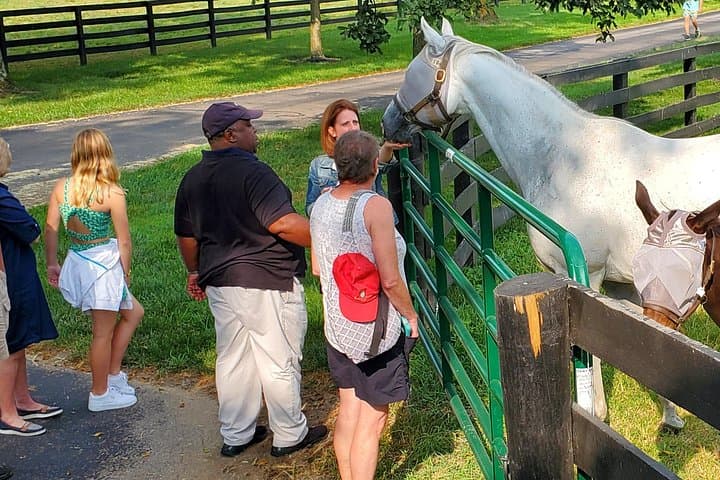
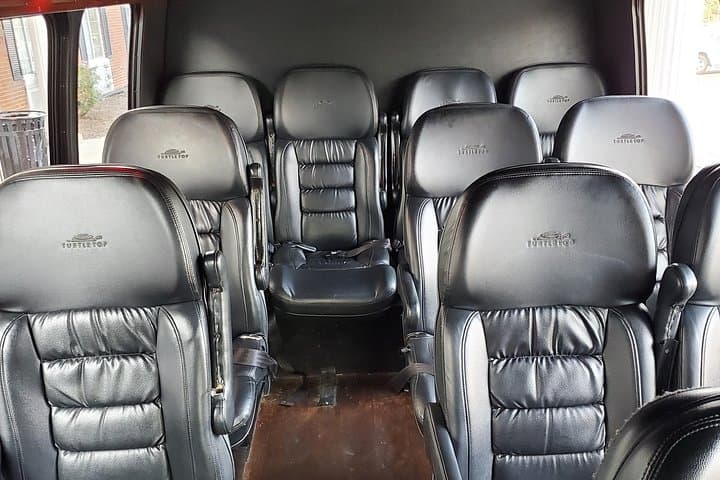
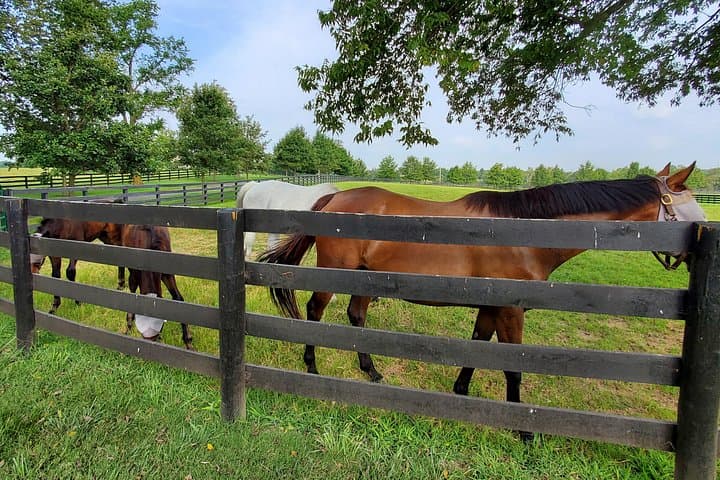
Morning light flattens across clipped pasture and the bus eases onto a gravel drive; the scent of hay and fresh manure carries like a local greeting. Guests step out beneath broad skies and are quickly immersed in the practical rhythm of Thoroughbred life — mares led between barns, grooms moving with practiced calm, yearlings eyeing newcomers from paddocks.
Verified experiences and guided adventures in the surrounding area.
Operated by Unique Horse Farm Tours · Lexington, Kentucky
Morning light flattens across clipped pasture and the bus eases onto a gravel drive; the scent of hay and fresh manure carries like a local greeting. Guests step out beneath broad skies and are quickly immersed in the practical rhythm of Thoroughbred life — mares led between barns, grooms moving with practiced calm, yearlings eyeing newcomers from paddocks.
The Bluegrass has long been shaped by limestone soils and a climate that produces nutrient-dense pastures, conditions breeders credit for strong-boned stock. Many farms you visit have been family-run for generations; their barns, indoor tracks and broodmare sheds are as much working history as they are active industry. Guides lean on that culture, explaining bloodlines, training cycles and how breeding choices meet the demands of racing.
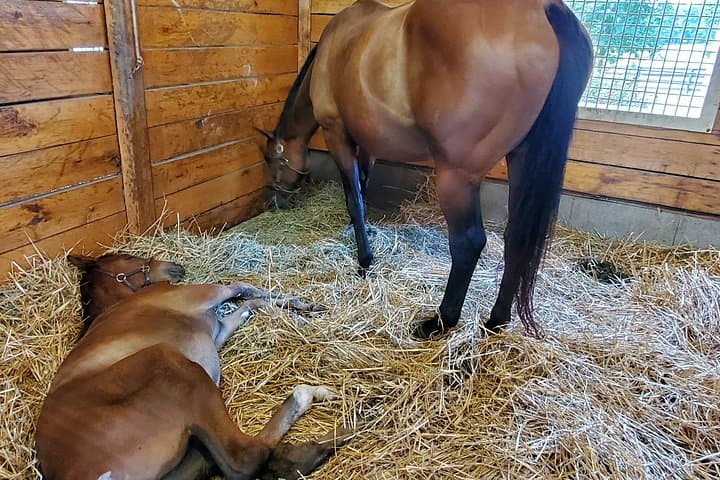
On a typical 2.5–3 hour tour you’ll stop at three farms, see indoor training facilities, broodmare stalls and sometimes yearlings cooling off in water exercise pools. Under the guide’s supervision you can offer horses a peppermint, photograph foals and learn why small management choices matter to a horse’s future on the track.
Practicalities are straightforward: tours depart from central Lexington pickup points, run in small shared groups and require minimal fitness, but farms have uneven ground and quiet rules. Dress in closed-toe shoes, bring sun protection and a camera with a long lens if you want close, framed shots of movement. Above all, follow staff directions — these are working farms with biosecurity and animal welfare as priorities.
Yes, but only under guide supervision and with provided treats (e.g., peppermints); always follow staff instructions to avoid startling animals.
Strollers are accommodated for transport, but farm terrain can be uneven — contact the operator to confirm accessibility for specific stops.
Pickups are typically in central Lexington (example: Embassy Suites area); tours usually last about 2.5–3 hours with three farm stops.
Yes — photography is welcome, but avoid using flash near sensitive animals and respect signage that restricts access to certain areas.
Unique Horse Farm Tours operates guided outdoor trips and adventures with an emphasis on safety, stewardship, and memorable experiences.
Morning light flattens across clipped pasture and the bus eases onto a gravel drive; the scent of hay and fresh manure carries like a local greeting. Guests step out beneath broad skies and are quickly immersed in the practical rhythm of Thoroughbred life — mares led between barns, grooms moving with practiced calm, yearlings eyeing newcomers from paddocks.
Morning light flattens across clipped pasture and the bus eases onto a gravel drive; the scent of hay and fresh manure carries like a local greeting. Guests step out beneath broad skies and are quickly immersed in the practical rhythm of Thoroughbred life — mares led between barns, grooms moving with practiced calm, yearlings eyeing newcomers from paddocks.
The Bluegrass has long been shaped by limestone soils and a climate that produces nutrient-dense pastures, conditions breeders credit for strong-boned stock. Many farms you visit have been family-run for generations; their barns, indoor tracks and broodmare sheds are as much working history as they are active industry. Guides lean on that culture, explaining bloodlines, training cycles and how breeding choices meet the demands of racing.
On a typical 2.5–3 hour tour you’ll stop at three farms, see indoor training facilities, broodmare stalls and sometimes yearlings cooling off in water exercise pools. Under the guide’s supervision you can offer horses a peppermint, photograph foals and learn why small management choices matter to a horse’s future on the track.
Practicalities are straightforward: tours depart from central Lexington pickup points, run in small shared groups and require minimal fitness, but farms have uneven ground and quiet rules. Dress in closed-toe shoes, bring sun protection and a camera with a long lens if you want close, framed shots of movement. Above all, follow staff directions — these are working farms with biosecurity and animal welfare as priorities.