THE ADVENTURE COLLECTIVE® · Independent discovery and booking for outdoor travel

Walk Bo-Kaap with a local guide and move beyond the postcard colours to learn the neighborhood’s history, spices and living traditions. This one-hour tour mixes cultural storytelling with hands-on moments at an iconic spice shop.
Walk Bo-Kaap with a local guide and move beyond the postcard colours to learn the neighborhood’s history, spices and living traditions. This one-hour tour mixes cultural storytelling with hands-on moments at an iconic spice shop.
You step off Wale Street into a corridor of painted facades and the warm, sharp scent of ground cumin and coriander. Signal Hill watches over the neighborhood; the houses lean toward the light, each face a bright punctuation mark against the city bowl. Locals greet one another on stoops — this is a living neighborhood, not just a photo stop.
Verified experiences and guided adventures in the surrounding area.
Operated by 56 On Lion Accommodation and Tours · Cape Town, Western Cape
You step off Wale Street into a corridor of painted facades and the warm, sharp scent of ground cumin and coriander. Signal Hill watches over the neighborhood; the houses lean toward the light, each face a bright punctuation mark against the city bowl. Locals greet one another on stoops — this is a living neighborhood, not just a photo stop.
Bo-Kaap’s story is visible in its streets. Brought here under Dutch colonial rule, enslaved people from across the Indian Ocean fused foods, faith and language into what is now called Cape Malay culture. The cobbles and low basalt walls speak to colonial-era urban patterns; spices sold at Atlas’s shop are the same flavors that shaped local recipes and resistance in kitchens long ago.
The walk threads short climbs and flat blocks, pausing at the spice shop and community landmarks while guides share family histories and architectural notes. Expect conversations about religious life, the legacy of slavery, and how preservation efforts intersect with contemporary residents’ needs.
Practical guidance: this is an easy, one-hour urban walk that suits most fitness levels. Wear comfortable shoes for uneven sidewalks, bring water and a sun hat in summer, and carry small cash for snacks or market purchases. Be mindful: Bo-Kaap is residential — photograph respectfully, follow your guide, and support local businesses when you can. Morning departures offer softer light for photos and cooler walking conditions; afternoon tours can be busier. This tour balances close-up cultural insight with straightforward navigation of a historic Cape Town neighborhood.
Meet at 71 Wale Street in the City Bowl; the guide will be identifiable and the location is near public transport stops.
Yes—it's rated easy and suitable for children and older adults, though strollers can be awkward on some pavements.
Snacks are included on this tour; additional food or purchases at local shops are optional and paid separately.
The route is generally low-impact but includes uneven sidewalks and a few steps, so it may not be suitable for all mobility aids—contact the operator for specifics.
56 On Lion Accommodation and Tours operates guided outdoor trips and adventures with an emphasis on safety, stewardship, and memorable experiences.
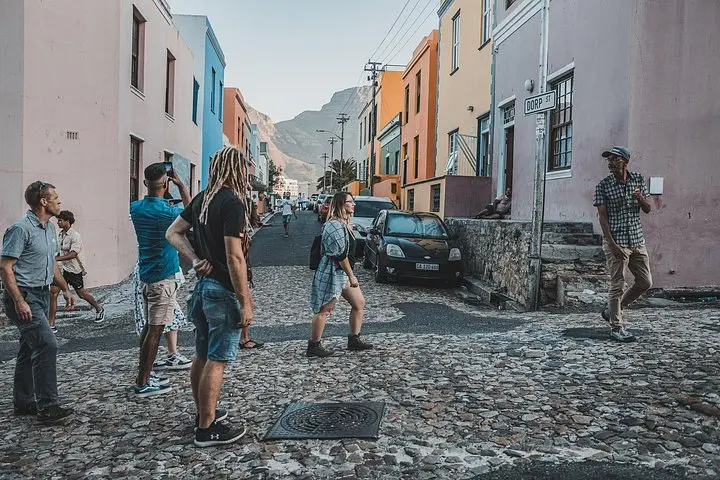
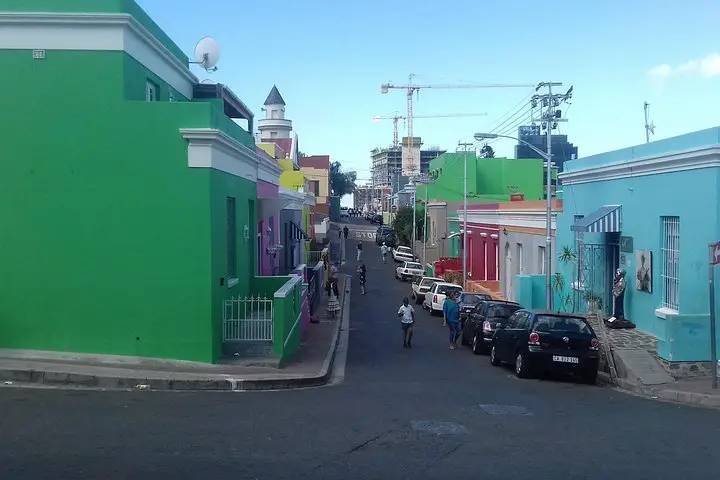
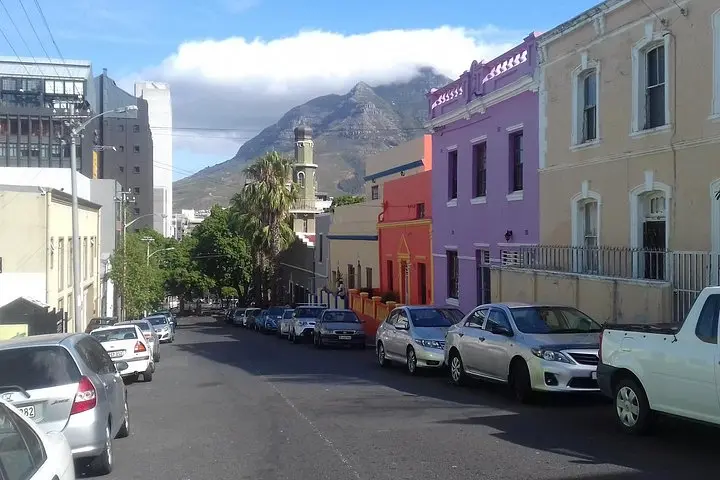
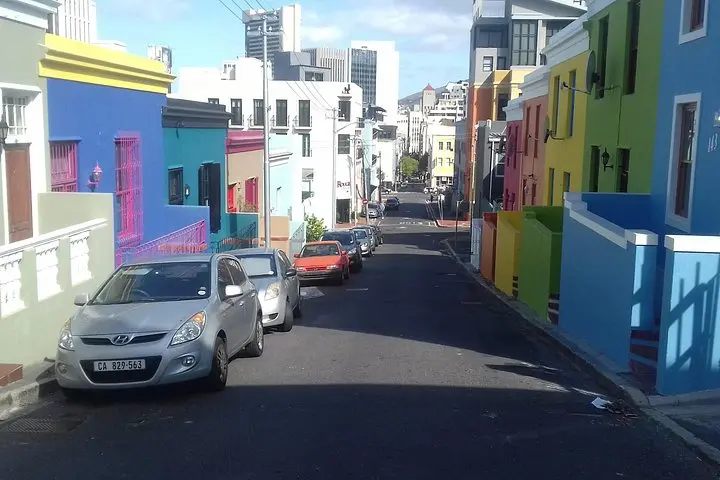
You step off Wale Street into a corridor of painted facades and the warm, sharp scent of ground cumin and coriander. Signal Hill watches over the neighborhood; the houses lean toward the light, each face a bright punctuation mark against the city bowl. Locals greet one another on stoops — this is a living neighborhood, not just a photo stop.
You step off Wale Street into a corridor of painted facades and the warm, sharp scent of ground cumin and coriander. Signal Hill watches over the neighborhood; the houses lean toward the light, each face a bright punctuation mark against the city bowl. Locals greet one another on stoops — this is a living neighborhood, not just a photo stop.
Bo-Kaap’s story is visible in its streets. Brought here under Dutch colonial rule, enslaved people from across the Indian Ocean fused foods, faith and language into what is now called Cape Malay culture. The cobbles and low basalt walls speak to colonial-era urban patterns; spices sold at Atlas’s shop are the same flavors that shaped local recipes and resistance in kitchens long ago.
The walk threads short climbs and flat blocks, pausing at the spice shop and community landmarks while guides share family histories and architectural notes. Expect conversations about religious life, the legacy of slavery, and how preservation efforts intersect with contemporary residents’ needs.
Practical guidance: this is an easy, one-hour urban walk that suits most fitness levels. Wear comfortable shoes for uneven sidewalks, bring water and a sun hat in summer, and carry small cash for snacks or market purchases. Be mindful: Bo-Kaap is residential — photograph respectfully, follow your guide, and support local businesses when you can. Morning departures offer softer light for photos and cooler walking conditions; afternoon tours can be busier. This tour balances close-up cultural insight with straightforward navigation of a historic Cape Town neighborhood.