THE ADVENTURE COLLECTIVE® · Independent discovery and booking for outdoor travel

Spend a long day from Punta Cana exploring Los Haitises’ karst islands and mangrove caves, crossing Samaná Bay by panga, then hiking or riding to swim beneath the thunder of El Limón waterfall. This full-day boat-and-hike trip blends coastal wildlife, Taino cave art and a cool waterfall plunge.
Spend a long day from Punta Cana exploring Los Haitises’ karst islands and mangrove caves, crossing Samaná Bay by panga, then hiking or riding to swim beneath the thunder of El Limón waterfall. This full-day boat-and-hike trip blends coastal wildlife, Taino cave art and a cool waterfall plunge.
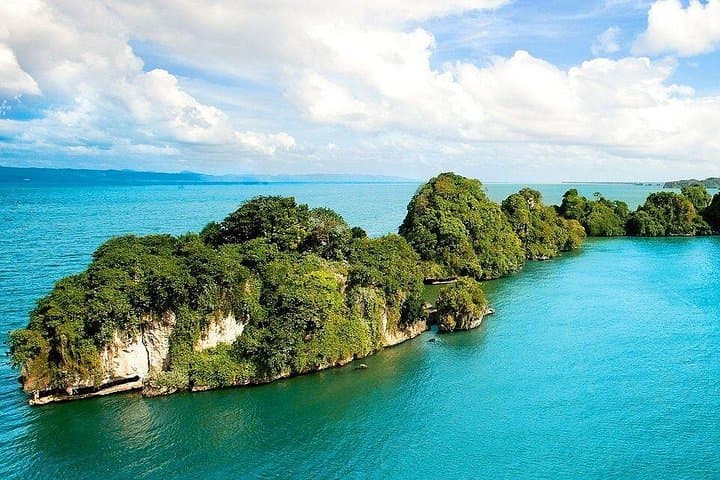
The outboard coughs to life before dawn and the panga slips away from the crowded shore of Punta Cana, the lights of resorts shrinking as mangrove crowns rise like a green wall. In the wash of the boat you can already see the shapes that define this coastline: low karst islands studded with palms, cave mouths dark against white limestone, and the restless lines of seabirds who treat the tide like a daily road. The guide points left—Los Haitises—and for the next hour the sea and forest exchange the lead.
Verified experiences and guided adventures in the surrounding area.
Operated by Tour Samana With Terry · Punta Cana, La Altagracia
The outboard coughs to life before dawn and the panga slips away from the crowded shore of Punta Cana, the lights of resorts shrinking as mangrove crowns rise like a green wall. In the wash of the boat you can already see the shapes that define this coastline: low karst islands studded with palms, cave mouths dark against white limestone, and the restless lines of seabirds who treat the tide like a daily road. The guide points left—Los Haitises—and for the next hour the sea and forest exchange the lead.
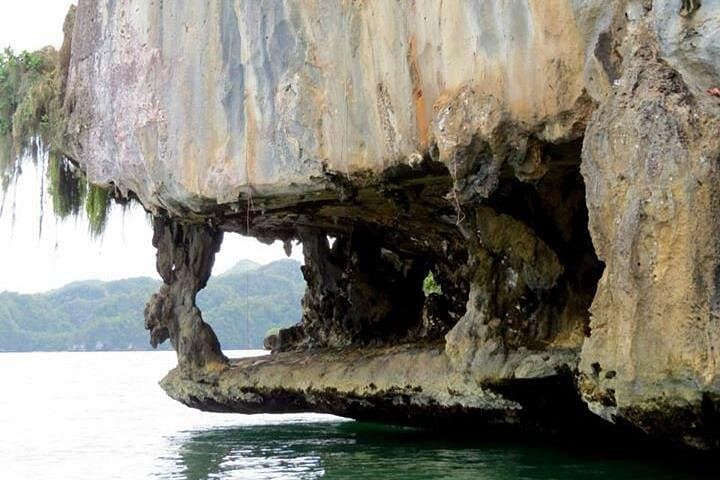
Los Haitises National Park is a carbon copy of geologic patience. Limestone reefs uplifted and dissolved over millennia have left a scatter of small islands and collapsed caverns; where rainwater found weakness, caves opened and collected Taino petroglyphs that still mark rock walls. Mangrove roots braid with salt, trapping silt and feeding the bay; they are both nursery and firewall, giving life to the coastal food web while softening any storm the ocean throws.
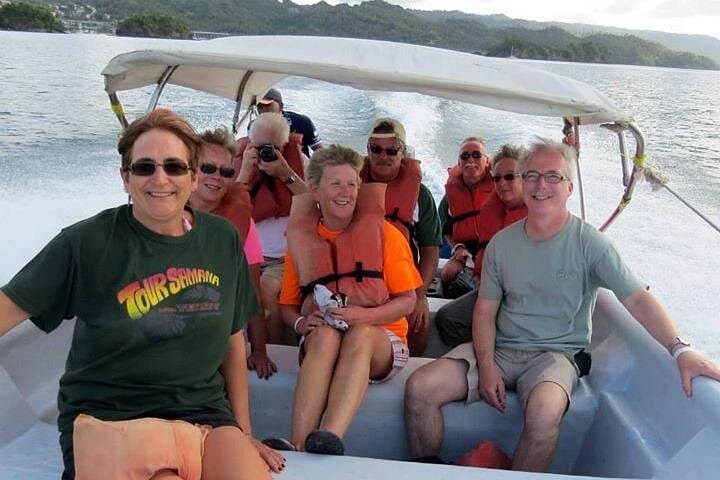
Your panga threads between these islets, close enough to pick out the red crest of a frigatebird or the white flash of a cattle egret. Guides often slip a skiff into a narrow channel to reach a cave where stenciled human hands and rough carvings offer a quiet link to the island’s pre-Columbian past. After mangroves and caves, the boat crosses Samaná Bay—an expanse that, in winter months, funnels humpback whales into a spectacle that seems to be waiting just offshore.
Lunch is simple and bright: local fish, rice, plantains and fresh fruit brought to shore before the inland leg. El Limón waterfall is the contrast—loud water and green walls. The trail in takes about 40 minutes each way over uneven, sometimes slippery ground; many guests opt for horseback, letting the mule’s sure-footed rhythm do the work and saving their legs for the cool pool at the base. The fall is swimmable, its basin inviting in humid heat; currents are gentle but the bottom can be rocky.
Practical side: the full-day excursion runs roughly 12 hours with hotel pickup from Punta Cana. Wear sturdy water shoes for the waterfall approach and a quick-dry layer for the boat. Bring sunscreen, insect repellent, and a waterproof bag for electronics. If you have back problems, serious heart conditions, or pregnancy, this trip is not recommended—the boat and the hike can be demanding.
This itinerary is equal parts sea and forest, history and sweat. It’s best scheduled early in your Dominican stay—when the water is clear, the birds are loud and the island caves feel close enough to touch. With a thoughtful guide and a little preparation, Los Haitises and El Limón deliver two very different Dominican landscapes in one long, satisfying day.
The walk is about 40 minutes each way over uneven terrain; guides will lead you and you can choose horseback for the approach if preferred.
Yes—most visitors swim in the pool beneath the falls; currents are usually mild but the bottom can be rocky, so enter with caution.
Duplicate placeholder
Bring sun protection, a hat, water, a dry bag for valuables, and motion-sickness medication if you’re prone to seasickness.
Yes—expect coastal birds, mangrove-dependent species and, in winter months, a chance of seeing humpback whales from the boat crossing.
Yes—pickup and drop-off from Punta Cana hotels (and many private residences) are included; your exact pickup time will be provided the afternoon before.
Tour Samana With Terry operates guided outdoor trips and adventures with an emphasis on safety, stewardship, and memorable experiences.

The outboard coughs to life before dawn and the panga slips away from the crowded shore of Punta Cana, the lights of resorts shrinking as mangrove crowns rise like a green wall. In the wash of the boat you can already see the shapes that define this coastline: low karst islands studded with palms, cave mouths dark against white limestone, and the restless lines of seabirds who treat the tide like a daily road. The guide points left—Los Haitises—and for the next hour the sea and forest exchange the lead.
The outboard coughs to life before dawn and the panga slips away from the crowded shore of Punta Cana, the lights of resorts shrinking as mangrove crowns rise like a green wall. In the wash of the boat you can already see the shapes that define this coastline: low karst islands studded with palms, cave mouths dark against white limestone, and the restless lines of seabirds who treat the tide like a daily road. The guide points left—Los Haitises—and for the next hour the sea and forest exchange the lead.
Los Haitises National Park is a carbon copy of geologic patience. Limestone reefs uplifted and dissolved over millennia have left a scatter of small islands and collapsed caverns; where rainwater found weakness, caves opened and collected Taino petroglyphs that still mark rock walls. Mangrove roots braid with salt, trapping silt and feeding the bay; they are both nursery and firewall, giving life to the coastal food web while softening any storm the ocean throws.
Your panga threads between these islets, close enough to pick out the red crest of a frigatebird or the white flash of a cattle egret. Guides often slip a skiff into a narrow channel to reach a cave where stenciled human hands and rough carvings offer a quiet link to the island’s pre-Columbian past. After mangroves and caves, the boat crosses Samaná Bay—an expanse that, in winter months, funnels humpback whales into a spectacle that seems to be waiting just offshore.
Lunch is simple and bright: local fish, rice, plantains and fresh fruit brought to shore before the inland leg. El Limón waterfall is the contrast—loud water and green walls. The trail in takes about 40 minutes each way over uneven, sometimes slippery ground; many guests opt for horseback, letting the mule’s sure-footed rhythm do the work and saving their legs for the cool pool at the base. The fall is swimmable, its basin inviting in humid heat; currents are gentle but the bottom can be rocky.
Practical side: the full-day excursion runs roughly 12 hours with hotel pickup from Punta Cana. Wear sturdy water shoes for the waterfall approach and a quick-dry layer for the boat. Bring sunscreen, insect repellent, and a waterproof bag for electronics. If you have back problems, serious heart conditions, or pregnancy, this trip is not recommended—the boat and the hike can be demanding.
This itinerary is equal parts sea and forest, history and sweat. It’s best scheduled early in your Dominican stay—when the water is clear, the birds are loud and the island caves feel close enough to touch. With a thoughtful guide and a little preparation, Los Haitises and El Limón deliver two very different Dominican landscapes in one long, satisfying day.