THE ADVENTURE COLLECTIVE® · Independent discovery and booking for outdoor travel

Descend beneath Lesser Poland for a 4‑hour guided walk through one of Europe’s oldest salt mines, plus an underground boat and mining-train ride. This day trip from Kraków blends geology, history, and a surprising streak of chapel artistry.
Descend beneath Lesser Poland for a 4‑hour guided walk through one of Europe’s oldest salt mines, plus an underground boat and mining-train ride. This day trip from Kraków blends geology, history, and a surprising streak of chapel artistry.
You climb into the minivan in Kraków as the city light thins and the road unspools through Lesser Poland—forty kilometers of fields and roadside villages—and then the mine’s cold breath greets you. The descent is physical and atmospheric: the air cools, salt-slick walls close in, and the lighting carves the tunnels into long, low caverns where echoes seem to lean toward you.
Verified experiences and guided adventures in the surrounding area.
Operated by Thousand Miles Krakow · Bochnia, Lesser Poland Voivodeship
You climb into the minivan in Kraków as the city light thins and the road unspools through Lesser Poland—forty kilometers of fields and roadside villages—and then the mine’s cold breath greets you. The descent is physical and atmospheric: the air cools, salt-slick walls close in, and the lighting carves the tunnels into long, low caverns where echoes seem to lean toward you.
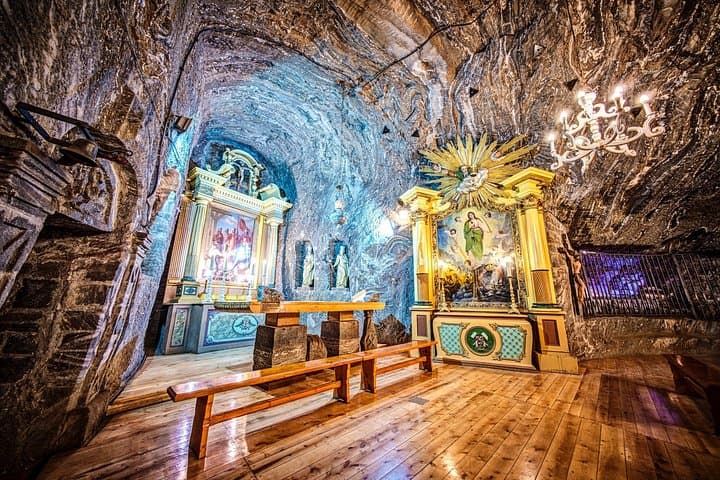
Bochnia’s workings date to 1248, one of Europe’s oldest industrial sites and part of the UNESCO-listed salt landscape alongside Wieliczka. The mine’s geology is straightforward—thick Permian salt beds sculpted by centuries of extraction and groundwater—yet the places miners built inside are unexpectedly ornate. St. Kinga Chapel opens like a carved room beneath the earth where concerts and masses still happen; salt reliefs and hand-hewn stairways keep the human story visible.
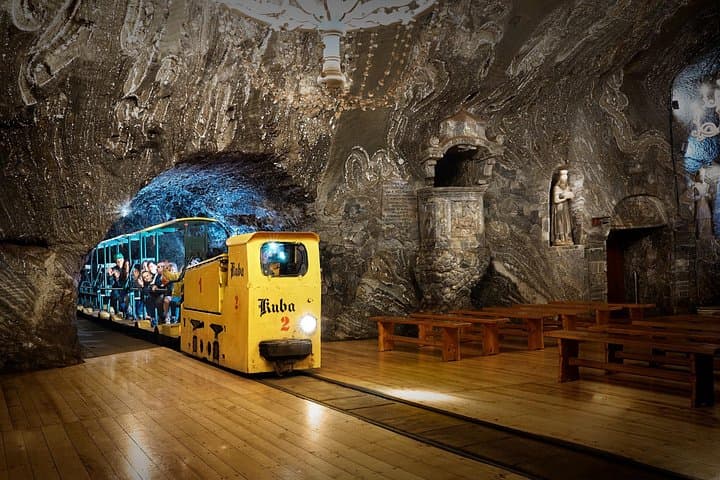
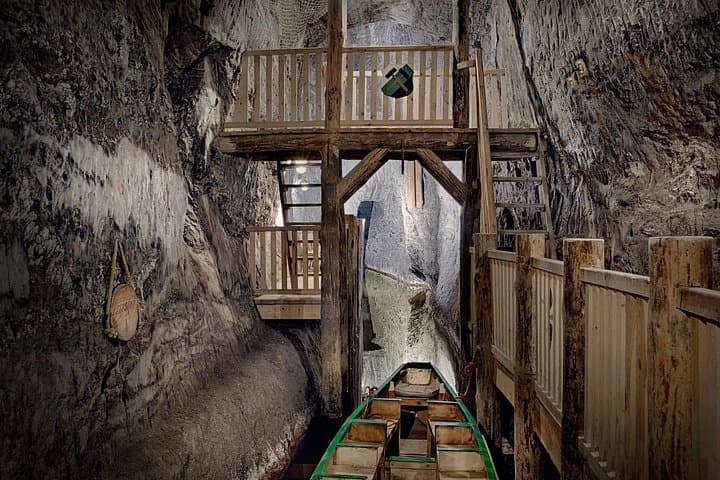
Culturally the mine sits between craft and industry: interactive exhibits map mining techniques while guides and audioguides place tools and rituals in context. The underground boat crossing and short mining-train ride turn passages into transport, reminding you this is living infrastructure, not just a display.
Practical guidance: expect about a 4‑hour underground visit plus roughly an hour each way from Kraków (total tour time 6–7 hours). Wear sturdy shoes and a midlayer—the mine is cool and damp. Mobility limits, claustrophobia, and some stairs mean a moderate fitness level is necessary. Bring a camera, but move deliberately; narrow platforms and low ceilings reward attention. With an audioguide available in six languages and hotel pickup included, the trip is set up for focused exploration—just be ready to trade sunlight for the slow, salt-smoothed rhythm of the subterranean world.
The tour includes about 1 hour each way by vehicle and a roughly 4‑hour guided visit underground, for a total of about 6–7 hours.
The Bochnia tour includes stairs, low passages, and a boat and train that have restrictions—this tour is generally not suitable for wheelchair users.
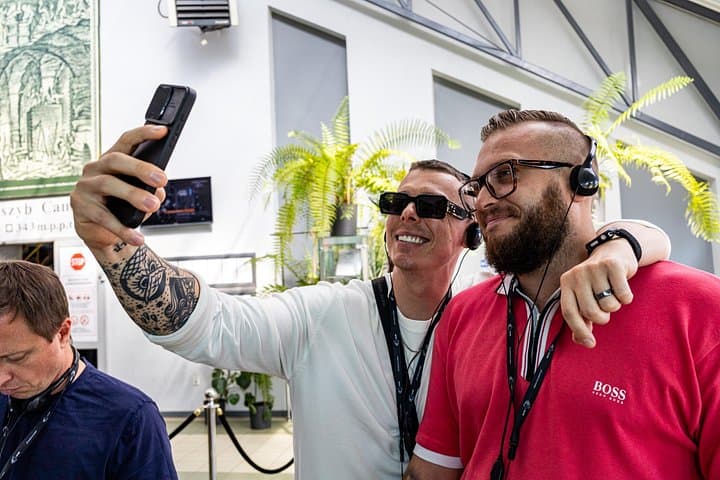
Audioguides are available in English, Spanish, French, German, Italian, and Polish—select your language when you check in.
Infants are required to sit on an adult’s lap; check with the operator for age recommendations and safety guidelines for young children.
Thousand Miles Krakow operates guided outdoor trips and adventures with an emphasis on safety, stewardship, and memorable experiences.
You climb into the minivan in Kraków as the city light thins and the road unspools through Lesser Poland—forty kilometers of fields and roadside villages—and then the mine’s cold breath greets you. The descent is physical and atmospheric: the air cools, salt-slick walls close in, and the lighting carves the tunnels into long, low caverns where echoes seem to lean toward you.
You climb into the minivan in Kraków as the city light thins and the road unspools through Lesser Poland—forty kilometers of fields and roadside villages—and then the mine’s cold breath greets you. The descent is physical and atmospheric: the air cools, salt-slick walls close in, and the lighting carves the tunnels into long, low caverns where echoes seem to lean toward you.
Bochnia’s workings date to 1248, one of Europe’s oldest industrial sites and part of the UNESCO-listed salt landscape alongside Wieliczka. The mine’s geology is straightforward—thick Permian salt beds sculpted by centuries of extraction and groundwater—yet the places miners built inside are unexpectedly ornate. St. Kinga Chapel opens like a carved room beneath the earth where concerts and masses still happen; salt reliefs and hand-hewn stairways keep the human story visible.
Culturally the mine sits between craft and industry: interactive exhibits map mining techniques while guides and audioguides place tools and rituals in context. The underground boat crossing and short mining-train ride turn passages into transport, reminding you this is living infrastructure, not just a display.
Practical guidance: expect about a 4‑hour underground visit plus roughly an hour each way from Kraków (total tour time 6–7 hours). Wear sturdy shoes and a midlayer—the mine is cool and damp. Mobility limits, claustrophobia, and some stairs mean a moderate fitness level is necessary. Bring a camera, but move deliberately; narrow platforms and low ceilings reward attention. With an audioguide available in six languages and hotel pickup included, the trip is set up for focused exploration—just be ready to trade sunlight for the slow, salt-smoothed rhythm of the subterranean world.