THE ADVENTURE COLLECTIVE® · Independent discovery and booking for outdoor travel
Walk the Bogside with a local guide and encounter the sites, murals and memories of Bloody Sunday, the Battle of the Bogside and the Civil Rights era. This hour-long tour starts at Free Derry Museum and offers firsthand accounts from guides who lived through the Troubles.
Walk the Bogside with a local guide and encounter the sites, murals and memories of Bloody Sunday, the Battle of the Bogside and the Civil Rights era. This hour-long tour starts at Free Derry Museum and offers firsthand accounts from guides who lived through the Troubles.
You step out where paint still argues with history: the red-painted wall at Free Derry Corner, the River Foyle speaking softly behind you, and the Bogside’s murals mapping moments that shaped a city.
Verified experiences and guided adventures in the surrounding area.
Operated by Troublesbogsidewalkingtour · Derry (Londonderry), County Londonderry
You step out where paint still argues with history: the red-painted wall at Free Derry Corner, the River Foyle speaking softly behind you, and the Bogside’s murals mapping moments that shaped a city.
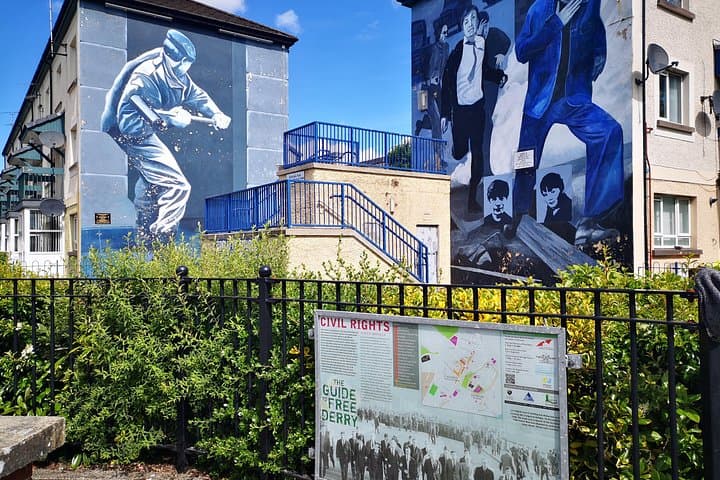
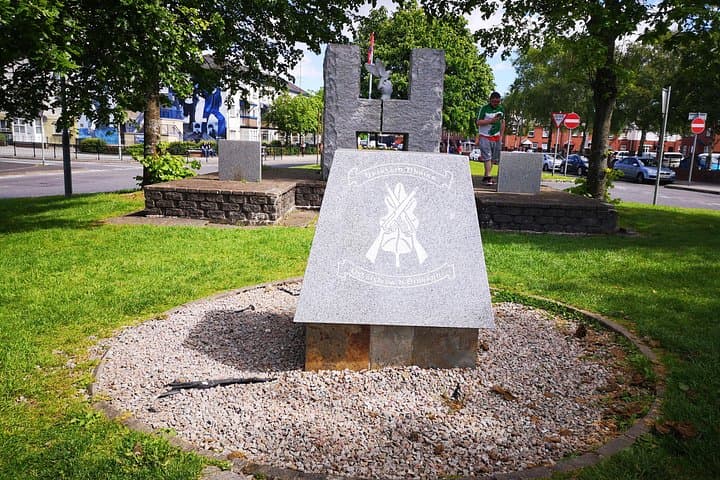
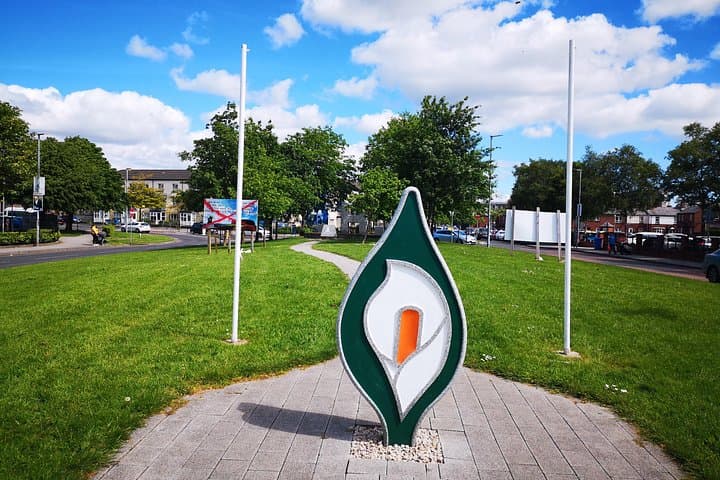
The hour unfolds as a street-level oral history. Guides—many of them locals who lived through the Troubles—pause at the Bloody Sunday site, point to the names on memorials and trace the Civil Rights march routes. Geology and urban form matter here: the low-lying terraces and narrow lanes funneled people and ideas into the kinds of confrontations that defined late-20th-century Northern Ireland. The murals are less decoration than dossier—painted records that frame community memory and political change.
Culturally the walk sits between grief and civic recovery; you’ll hear about the Battle of the Bogside, internment, and the campaigns that led to later inquiries. Museums such as the Free Derry Museum anchor those narratives with photographs and local testimony, while the city’s proximity to the River Foyle gave Derry strategic importance long before modern conflict.
Practical guidance: the route is flat and fully accessible, lasts about 60 minutes, and begins/ends outside the Free Derry Museum in Glenfada Park. Wear sturdy shoes for cobbles and occasional mud, bring rain protection, and allow space for solemn reflection—this is living history, not a theme-park retelling. Small-group and private options are offered, and guides welcome questions throughout.
It starts and finishes outside the Free Derry Museum in Glenfada Park in the Bogside, Derry.
Yes—routes are accessible and the operator lists the tour as wheelchair- and stroller-accessible; contact the provider in advance for specific arrangements.
The standard tour lasts approximately 60 minutes and covers key mural sites, memorials, and the Free Derry area.
Yes—guides encourage questions, but they may request sensitivity around particularly traumatic personal accounts; follow the guide’s lead during discussions.
Troublesbogsidewalkingtour operates guided outdoor trips and adventures with an emphasis on safety, stewardship, and memorable experiences.
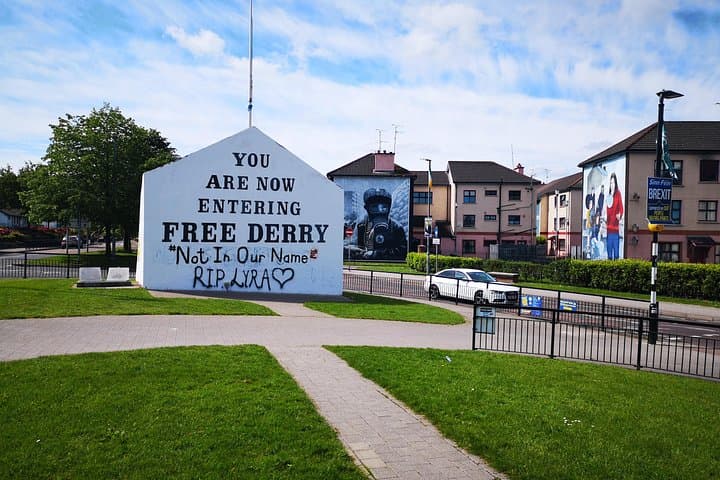
You step out where paint still argues with history: the red-painted wall at Free Derry Corner, the River Foyle speaking softly behind you, and the Bogside’s murals mapping moments that shaped a city.
You step out where paint still argues with history: the red-painted wall at Free Derry Corner, the River Foyle speaking softly behind you, and the Bogside’s murals mapping moments that shaped a city.
The hour unfolds as a street-level oral history. Guides—many of them locals who lived through the Troubles—pause at the Bloody Sunday site, point to the names on memorials and trace the Civil Rights march routes. Geology and urban form matter here: the low-lying terraces and narrow lanes funneled people and ideas into the kinds of confrontations that defined late-20th-century Northern Ireland. The murals are less decoration than dossier—painted records that frame community memory and political change.
Culturally the walk sits between grief and civic recovery; you’ll hear about the Battle of the Bogside, internment, and the campaigns that led to later inquiries. Museums such as the Free Derry Museum anchor those narratives with photographs and local testimony, while the city’s proximity to the River Foyle gave Derry strategic importance long before modern conflict.
Practical guidance: the route is flat and fully accessible, lasts about 60 minutes, and begins/ends outside the Free Derry Museum in Glenfada Park. Wear sturdy shoes for cobbles and occasional mud, bring rain protection, and allow space for solemn reflection—this is living history, not a theme-park retelling. Small-group and private options are offered, and guides welcome questions throughout.
