THE ADVENTURE COLLECTIVE® · Independent discovery and booking for outdoor travel

Step beyond Prague’s tourist circuit into the Bohnice psychiatric complex and its abandoned cemetery. This three-hour guided walk pairs architectural detail with the candid, sometimes dark history of psychiatry—best for visitors ready for a sobering urban history lesson.
Step beyond Prague’s tourist circuit into the Bohnice psychiatric complex and its abandoned cemetery. This three-hour guided walk pairs architectural detail with the candid, sometimes dark history of psychiatry—best for visitors ready for a sobering urban history lesson.
The gate iron cool under your hand, the hospital compound opens like a small city—red-brick pavilions, service lanes and a hush that makes the buildings feel opinionated. Walk with a guide and the stories start to settle: wards, experimental treatments, whispered testimonies from a time when medicine and coercion were indistinguishable.
Verified experiences and guided adventures in the surrounding area.
Operated by McGee's Trips & Tickets · Prague, Prague
The gate iron cool under your hand, the hospital compound opens like a small city—red-brick pavilions, service lanes and a hush that makes the buildings feel opinionated. Walk with a guide and the stories start to settle: wards, experimental treatments, whispered testimonies from a time when medicine and coercion were indistinguishable.
Bohnice Hospital grew in the 19th and early 20th centuries as psychiatric care professionalized across Europe; its architecture reflects that evolution—pavilion plans intended to separate and observe. The cemetery off the main grounds is quieter and older than it looks: cast-iron markers, mossed headstones and tightly packed plots that chart epidemics, poverty and institutional life. Geologically the area sits on Prague’s northern loess slopes, with a low valley that lets the Vltava river breathe; from the viewpoint you watch the river dare the city below.
Culturally, the site sits at the edge of conversations about ethics, reform and memory—Prague’s residents often pass Bohnice with little notice, but the place holds layered stories of care, neglect and changing treatments like electrotherapy and early psychosurgery.
Practical guidance: set aside three hours, wear sturdy walking shoes for uneven paths, and expect urban walking between buildings and cemetery lanes. The tour is historically heavy; it’s not recommended for small children and can be emotional. Bring water, a light jacket (wind picks up in the valley) and respect the cemetery—photograph discreetly and keep voices low. Public transport reaches the hospital; plan to use the metro or bus to return to central Prague after the tour.
Photography is generally permitted outdoors, but be discreet in the cemetery and avoid photographing individuals without permission; follow your guide’s instructions.
Due to graphic historical accounts of psychiatric treatments and the somber cemetery, the tour is not recommended for small children.
The tour ends near Bohnice metro/bus stops; your guide will point out the fastest routes back to the city center—allow 25–35 minutes by public transit.
The route includes uneven surfaces and steps; if you have mobility needs, contact the operator in advance to discuss possible adjustments.
McGee's Trips & Tickets operates guided outdoor trips and adventures with an emphasis on safety, stewardship, and memorable experiences.
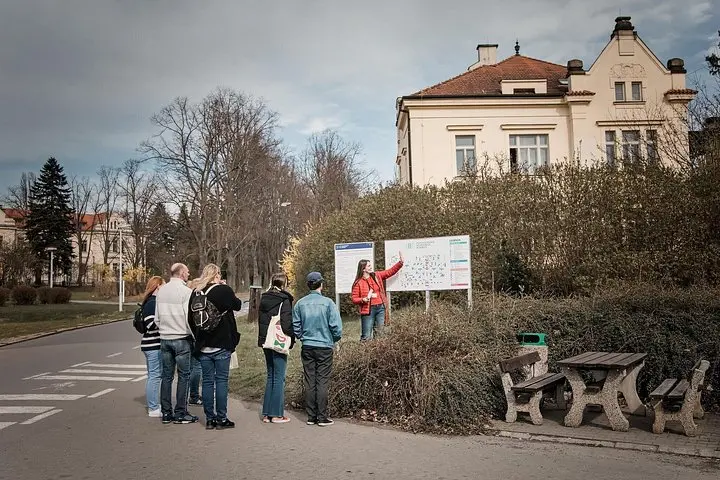
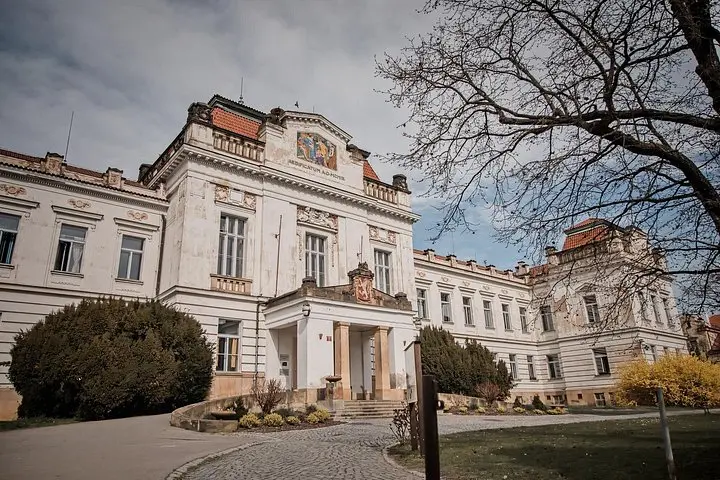
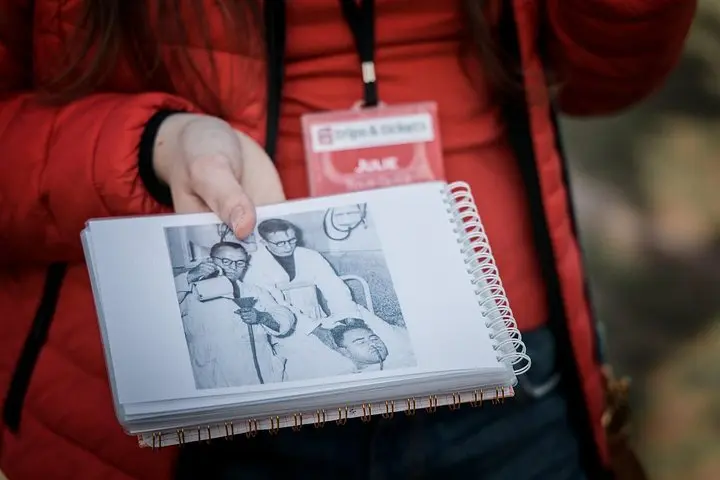
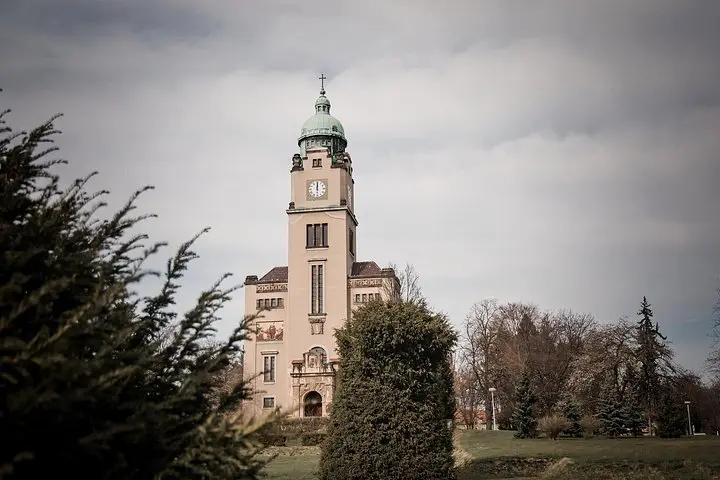
The gate iron cool under your hand, the hospital compound opens like a small city—red-brick pavilions, service lanes and a hush that makes the buildings feel opinionated. Walk with a guide and the stories start to settle: wards, experimental treatments, whispered testimonies from a time when medicine and coercion were indistinguishable.
The gate iron cool under your hand, the hospital compound opens like a small city—red-brick pavilions, service lanes and a hush that makes the buildings feel opinionated. Walk with a guide and the stories start to settle: wards, experimental treatments, whispered testimonies from a time when medicine and coercion were indistinguishable.
Bohnice Hospital grew in the 19th and early 20th centuries as psychiatric care professionalized across Europe; its architecture reflects that evolution—pavilion plans intended to separate and observe. The cemetery off the main grounds is quieter and older than it looks: cast-iron markers, mossed headstones and tightly packed plots that chart epidemics, poverty and institutional life. Geologically the area sits on Prague’s northern loess slopes, with a low valley that lets the Vltava river breathe; from the viewpoint you watch the river dare the city below.
Culturally, the site sits at the edge of conversations about ethics, reform and memory—Prague’s residents often pass Bohnice with little notice, but the place holds layered stories of care, neglect and changing treatments like electrotherapy and early psychosurgery.
Practical guidance: set aside three hours, wear sturdy walking shoes for uneven paths, and expect urban walking between buildings and cemetery lanes. The tour is historically heavy; it’s not recommended for small children and can be emotional. Bring water, a light jacket (wind picks up in the valley) and respect the cemetery—photograph discreetly and keep voices low. Public transport reaches the hospital; plan to use the metro or bus to return to central Prague after the tour.