THE ADVENTURE COLLECTIVE® · Independent discovery and booking for outdoor travel

Walk the dark trails of Rajah Sikatuna National Park on a guided night safari to see tarsiers, civets, and other nocturnal wildlife. This 2–3 hour guided experience blends close-up wildlife viewing with practical tips to keep sightings safe for animals and visitors.
Walk the dark trails of Rajah Sikatuna National Park on a guided night safari to see tarsiers, civets, and other nocturnal wildlife. This 2–3 hour guided experience blends close-up wildlife viewing with practical tips to keep sightings safe for animals and visitors.
Stepping out of the van at dusk, the forest breathes around you—humid air, the metallic chirp of insects and a low, expectant hush as the canopy darkens. Headlamps are dimmed and voices fall; the trail narrows into a ribbon of leaf litter and roots that the guides know by memory. This is Rajah Sikatuna National Park after dark: a living, moving place where eyes glint and tiny bodies slip between trunks.
Verified experiences and guided adventures in the surrounding area.
Operated by Rio Travel and Tour · Bilar, Bohol
Stepping out of the van at dusk, the forest breathes around you—humid air, the metallic chirp of insects and a low, expectant hush as the canopy darkens. Headlamps are dimmed and voices fall; the trail narrows into a ribbon of leaf litter and roots that the guides know by memory. This is Rajah Sikatuna National Park after dark: a living, moving place where eyes glint and tiny bodies slip between trunks.
Rajah Sikatuna protects nearly 9,000 hectares of native molave and lowland forest and takes its name from a historical Boholano chieftain. Geologically the area is limestone-washed and hilly, with ridges that feed streams and sustain a dense understory. Locals value the park for both biodiversity and as a source of sustainable timber and shade-grown crops—guides will often weave short cultural notes into the walk.
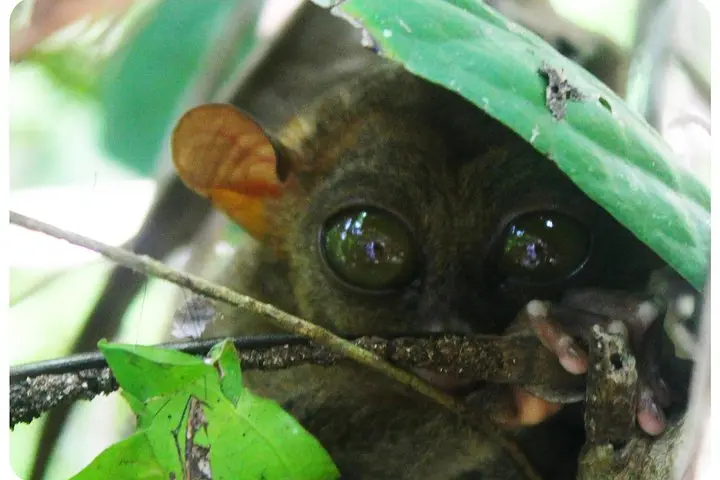
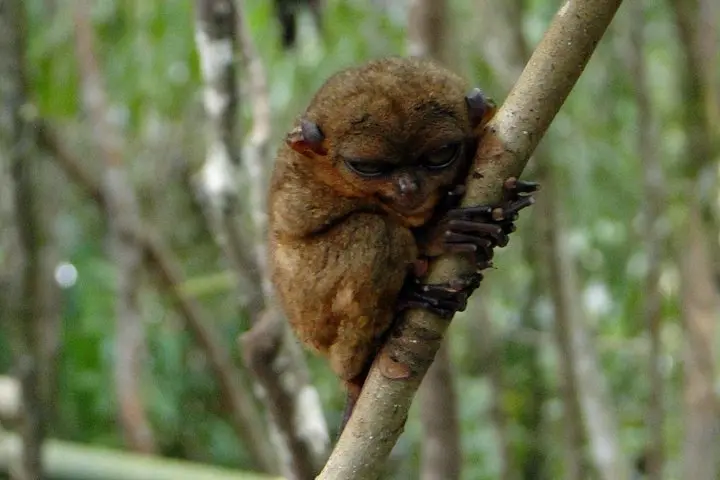
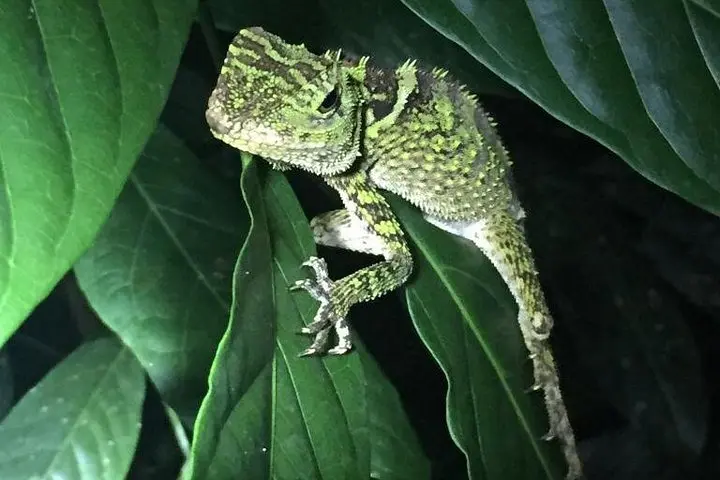
Expect close encounters with Philippine tarsiers, colugos (flying lemurs), civets, and a chorus of frogs and nocturnal birds. Guides lead quietly, using red-filtered lights and practiced routes to minimize disturbance.
Practically: wear sturdy closed-toe shoes, carry insect repellent, and bring a small headlamp with a red setting. Walks range from easy boardwalks to uneven forest floor—plan for slow, deliberate pace. Photography without flash preserves sightings; follow your guide’s lead around sensitive animals like tarsiers. Transfers from Tagbilaran or Panglao are common; tours typically last 2–3 hours. This is a low-impact, sensory-rich way to meet Bohol’s night-shift wildlife—bring patience, respect, and a readiness to listen as much as look.
Guides target habitats where tarsiers are present and sightings are common, but wildlife is never guaranteed; silence and following the guide’s protocols improve odds.
Trained guides know local snake behavior and avoid risky areas; remain on the trail and follow instructions—encounters are uncommon and usually non-threatening.
No—flash can harm and stress nocturnal animals. Use high-ISO settings, a fast lens, or accept low-light images without flash.
Most operators offer round-trip transfers from major towns and resorts—confirm pickup details when booking and allow extra travel time after sunset.
Rio Travel and Tour operates guided outdoor trips and adventures with an emphasis on safety, stewardship, and memorable experiences.

Stepping out of the van at dusk, the forest breathes around you—humid air, the metallic chirp of insects and a low, expectant hush as the canopy darkens. Headlamps are dimmed and voices fall; the trail narrows into a ribbon of leaf litter and roots that the guides know by memory. This is Rajah Sikatuna National Park after dark: a living, moving place where eyes glint and tiny bodies slip between trunks.
Stepping out of the van at dusk, the forest breathes around you—humid air, the metallic chirp of insects and a low, expectant hush as the canopy darkens. Headlamps are dimmed and voices fall; the trail narrows into a ribbon of leaf litter and roots that the guides know by memory. This is Rajah Sikatuna National Park after dark: a living, moving place where eyes glint and tiny bodies slip between trunks.
Rajah Sikatuna protects nearly 9,000 hectares of native molave and lowland forest and takes its name from a historical Boholano chieftain. Geologically the area is limestone-washed and hilly, with ridges that feed streams and sustain a dense understory. Locals value the park for both biodiversity and as a source of sustainable timber and shade-grown crops—guides will often weave short cultural notes into the walk.
Expect close encounters with Philippine tarsiers, colugos (flying lemurs), civets, and a chorus of frogs and nocturnal birds. Guides lead quietly, using red-filtered lights and practiced routes to minimize disturbance.
Practically: wear sturdy closed-toe shoes, carry insect repellent, and bring a small headlamp with a red setting. Walks range from easy boardwalks to uneven forest floor—plan for slow, deliberate pace. Photography without flash preserves sightings; follow your guide’s lead around sensitive animals like tarsiers. Transfers from Tagbilaran or Panglao are common; tours typically last 2–3 hours. This is a low-impact, sensory-rich way to meet Bohol’s night-shift wildlife—bring patience, respect, and a readiness to listen as much as look.