THE ADVENTURE COLLECTIVE® · Independent discovery and booking for outdoor travel

Taste history and the island’s key crops on a private chauffeur tour to Domaine des Aubineaux and Bois Chéri. Expect factory visits, tastings, a plantation lunch, and readable lessons on tea, rum and sugar production.
Taste history and the island’s key crops on a private chauffeur tour to Domaine des Aubineaux and Bois Chéri. Expect factory visits, tastings, a plantation lunch, and readable lessons on tea, rum and sugar production.
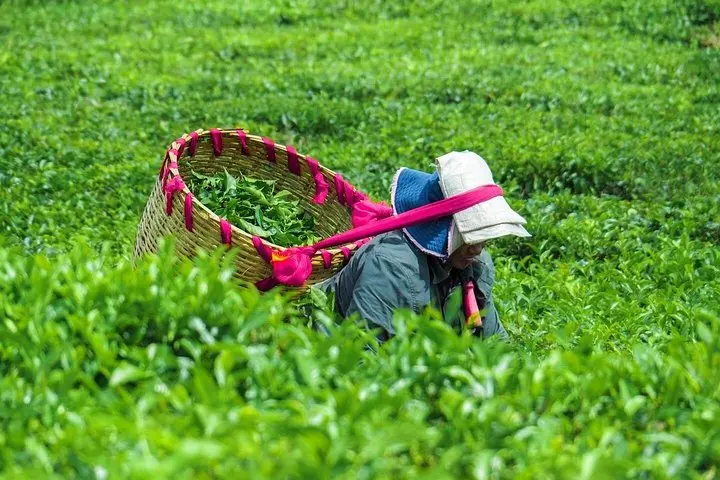
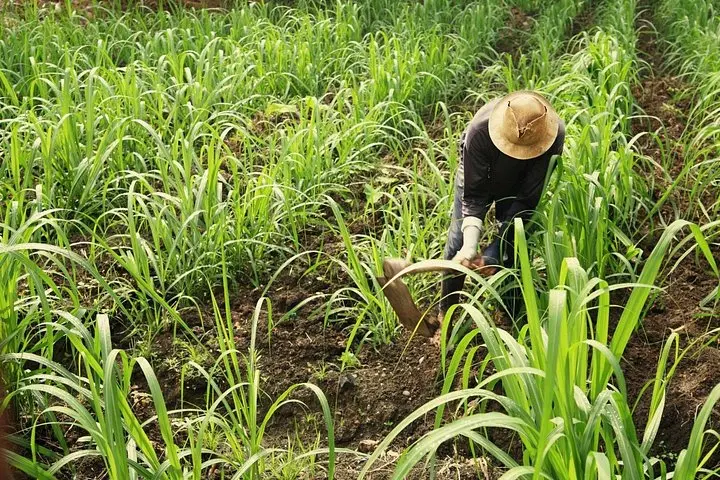
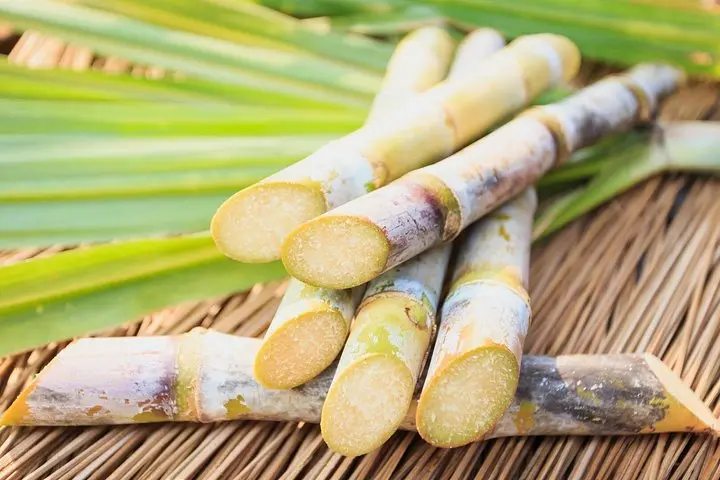
You step out of an air‑conditioned sedan into highland air that tastes faintly of green tea and cut cane. Sunlight slips between tall eucalyptus and tea bushes; a colonial house stands low and white, its veranda offering the first view over a field that once fed a sugar empire. That opening scene — a low, practical beauty — is the rhythm of a day spent tracing Mauritius’s agricultural past.
Verified experiences and guided adventures in the surrounding area.
Operated by Island Cove Mauritius · Curepipe, Plaines Wilhems
You step out of an air‑conditioned sedan into highland air that tastes faintly of green tea and cut cane. Sunlight slips between tall eucalyptus and tea bushes; a colonial house stands low and white, its veranda offering the first view over a field that once fed a sugar empire. That opening scene — a low, practical beauty — is the rhythm of a day spent tracing Mauritius’s agricultural past.
Historically, plantations like Domaine des Aubineaux and Bois Chéri grew under French and British rule and later powered local economies through sugar and tea export. Geology here is volcanic highland: rolling slopes with quick-draining soils that tea bushes favor, and the cane fields that follow gentler contours toward the coast. Culturally, plantation houses double as living museums: guides explain traditional processing, artisanal rum distillation and the shift from raw export to experience tourism.
On the tour expect guided factory and museum stops, a plantation‑style lunch at Bois Chéri’s chalet, tea and sugar sampling, and an optional rum tasting at the colonial estate. Paths around the factories are short and mostly flat but can be muddy after rain; surfaces and verandas are best navigated in closed shoes. Morning departures give cooler conditions and crisper views; afternoons bring warmth and brief showers in summer.
Practical tips: carry water and sunscreen, bring small change for souvenirs, and confirm whether tastings or souvenir purchases are included. The pace is easy and family‑friendly, focused on history, flavor and hands‑on demonstrations rather than strenuous hiking. It’s a compact, sensory way to understand Mauritius’s working landscapes.
The tour includes private transport and guided stops, but itinerary items list admissions as not included — confirm at booking whether entrance fees or tastings are covered.
The itinerary describes a plantation lunch at Bois Chéri’s chalet; verify at time of booking for any special dietary needs or exclusions.
Yes — the tour is rated easy with brief, low‑impact walks and seated tastings, making it family‑ and senior‑friendly.
Yes — the private chauffeur will pick up and drop off at your accommodation as described in the tour logistics.
Island Cove Mauritius operates guided outdoor trips and adventures with an emphasis on safety, stewardship, and memorable experiences.

You step out of an air‑conditioned sedan into highland air that tastes faintly of green tea and cut cane. Sunlight slips between tall eucalyptus and tea bushes; a colonial house stands low and white, its veranda offering the first view over a field that once fed a sugar empire. That opening scene — a low, practical beauty — is the rhythm of a day spent tracing Mauritius’s agricultural past.
You step out of an air‑conditioned sedan into highland air that tastes faintly of green tea and cut cane. Sunlight slips between tall eucalyptus and tea bushes; a colonial house stands low and white, its veranda offering the first view over a field that once fed a sugar empire. That opening scene — a low, practical beauty — is the rhythm of a day spent tracing Mauritius’s agricultural past.
Historically, plantations like Domaine des Aubineaux and Bois Chéri grew under French and British rule and later powered local economies through sugar and tea export. Geology here is volcanic highland: rolling slopes with quick-draining soils that tea bushes favor, and the cane fields that follow gentler contours toward the coast. Culturally, plantation houses double as living museums: guides explain traditional processing, artisanal rum distillation and the shift from raw export to experience tourism.
On the tour expect guided factory and museum stops, a plantation‑style lunch at Bois Chéri’s chalet, tea and sugar sampling, and an optional rum tasting at the colonial estate. Paths around the factories are short and mostly flat but can be muddy after rain; surfaces and verandas are best navigated in closed shoes. Morning departures give cooler conditions and crisper views; afternoons bring warmth and brief showers in summer.
Practical tips: carry water and sunscreen, bring small change for souvenirs, and confirm whether tastings or souvenir purchases are included. The pace is easy and family‑friendly, focused on history, flavor and hands‑on demonstrations rather than strenuous hiking. It’s a compact, sensory way to understand Mauritius’s working landscapes.