THE ADVENTURE COLLECTIVE® · Independent discovery and booking for outdoor travel

Drive the twisting mountain road to Bokor National Park for colonial ruins, cliffside temples and a cooling two‑tiered waterfall. This 5–6 hour day tour blends easy walks with dramatic views and local history.
Drive the twisting mountain road to Bokor National Park for colonial ruins, cliffside temples and a cooling two‑tiered waterfall. This 5–6 hour day tour blends easy walks with dramatic views and local history.
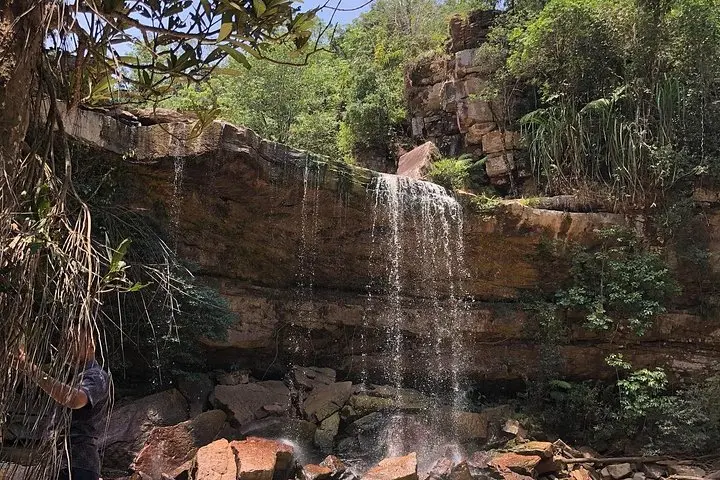
You crest the last hairpin and the coast falls away: low clouds lick the road, a tuk‑tuk’s engine hums, and the abandoned silhouette of a colonial hotel sits against an open sky. Bokor’s ridgeline opens in stages—views to Kampot and Sihanoukville, pockets of evergreen forest, and a sudden plunge to a two‑tiered waterfall that cools the air.
Verified experiences and guided adventures in the surrounding area.
Operated by Two Brothers Travel Cambodia · Kampot, Kampot Province
You crest the last hairpin and the coast falls away: low clouds lick the road, a tuk‑tuk’s engine hums, and the abandoned silhouette of a colonial hotel sits against an open sky. Bokor’s ridgeline opens in stages—views to Kampot and Sihanoukville, pockets of evergreen forest, and a sudden plunge to a two‑tiered waterfall that cools the air.
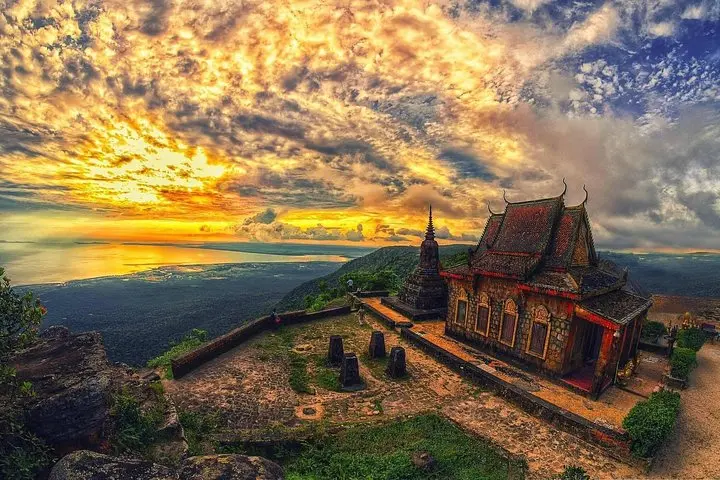
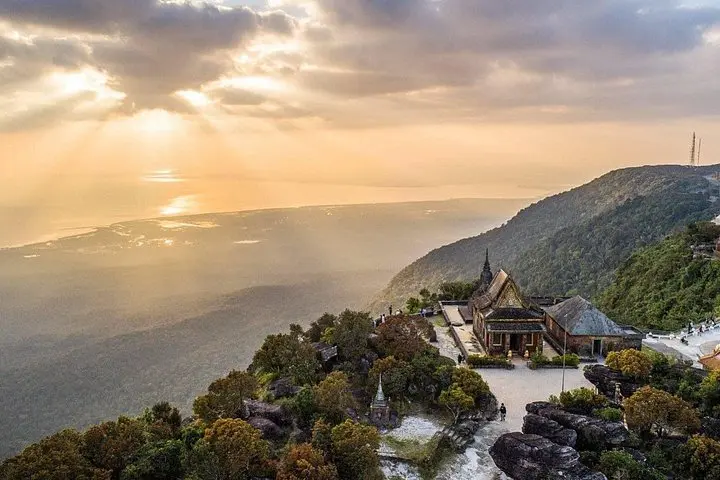
The route is as much a history lesson as a panorama. French developers built a hill station here in the 1920s; the Bokor Palace and the ruined Catholic church speak to that era and to decades of conflict that left much of the site frozen in time. Geologically, Phnom Bokor is a coastal massif with granite outcrops and fast‑draining soils that feed Popokvil’s seasonal falls and the calm, reflective Bokor Lake. Local culture layers in Khmer pagodas—Wat Sampov Pram perches dramatically near cliff edges and remains a working spiritual site.
Expect a guided 5–6 hour excursion with several short guided stops, light walking to viewpoints and temple grounds, and a final unwind at the waterfall. Practicalities matter: mornings and late afternoons bring the best light and cooler temperatures; during the wet season the falls run strongest but roads can be slippery. Bring sturdy footwear for uneven shrine steps and wet rock at the falls, sun protection for exposed viewpoints, and some cash for small snacks or donations. The tour suits most fitness levels, but guests with back, heart, or pregnancy concerns should avoid steep steps and long transfers. In every bend, Bokor challenges you gently—the past tugging at the present while the landscape insists you look farther.
The tour runs about 5–6 hours and typically includes pickup/drop‑off, an English‑speaking guide, bottled water and a vegetarian fried rice lunch.
Yes—this is a low‑impact tour with short walks; however, people with spinal, heart, or pregnancy concerns should avoid it per provider guidance.
You may spot long‑tailed macaques and hornbills, especially near forest edges; sightings aren’t guaranteed.
Popokvil Waterfall is seasonal—flows are strongest after the rainy season; during the dry months it can be reduced but still scenic.
Two Brothers Travel Cambodia operates guided outdoor trips and adventures with an emphasis on safety, stewardship, and memorable experiences.
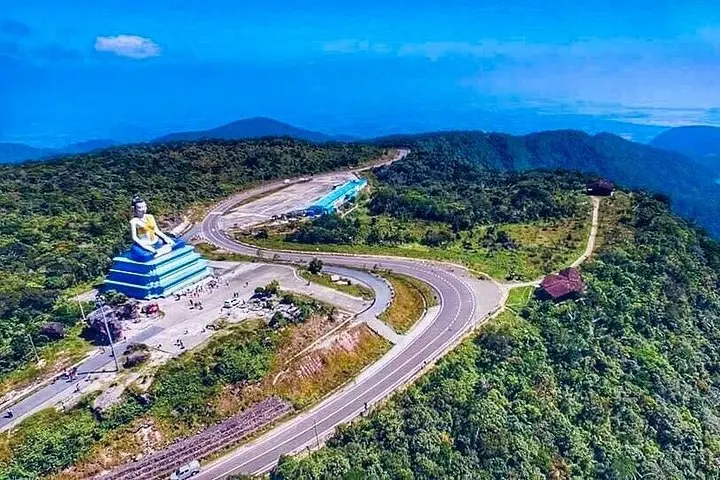
You crest the last hairpin and the coast falls away: low clouds lick the road, a tuk‑tuk’s engine hums, and the abandoned silhouette of a colonial hotel sits against an open sky. Bokor’s ridgeline opens in stages—views to Kampot and Sihanoukville, pockets of evergreen forest, and a sudden plunge to a two‑tiered waterfall that cools the air.
You crest the last hairpin and the coast falls away: low clouds lick the road, a tuk‑tuk’s engine hums, and the abandoned silhouette of a colonial hotel sits against an open sky. Bokor’s ridgeline opens in stages—views to Kampot and Sihanoukville, pockets of evergreen forest, and a sudden plunge to a two‑tiered waterfall that cools the air.
The route is as much a history lesson as a panorama. French developers built a hill station here in the 1920s; the Bokor Palace and the ruined Catholic church speak to that era and to decades of conflict that left much of the site frozen in time. Geologically, Phnom Bokor is a coastal massif with granite outcrops and fast‑draining soils that feed Popokvil’s seasonal falls and the calm, reflective Bokor Lake. Local culture layers in Khmer pagodas—Wat Sampov Pram perches dramatically near cliff edges and remains a working spiritual site.
Expect a guided 5–6 hour excursion with several short guided stops, light walking to viewpoints and temple grounds, and a final unwind at the waterfall. Practicalities matter: mornings and late afternoons bring the best light and cooler temperatures; during the wet season the falls run strongest but roads can be slippery. Bring sturdy footwear for uneven shrine steps and wet rock at the falls, sun protection for exposed viewpoints, and some cash for small snacks or donations. The tour suits most fitness levels, but guests with back, heart, or pregnancy concerns should avoid steep steps and long transfers. In every bend, Bokor challenges you gently—the past tugging at the present while the landscape insists you look farther.