THE ADVENTURE COLLECTIVE® · Independent discovery and booking for outdoor travel

Explore the ruined grandeur of Bokor Hill Station, a French-era mountaintop retreat with sea views, waterfalls and a riverside finish in Kampot. This full-day tour combines light walking, scenic drives and a local lunch.
Explore the ruined grandeur of Bokor Hill Station, a French-era mountaintop retreat with sea views, waterfalls and a riverside finish in Kampot. This full-day tour combines light walking, scenic drives and a local lunch.
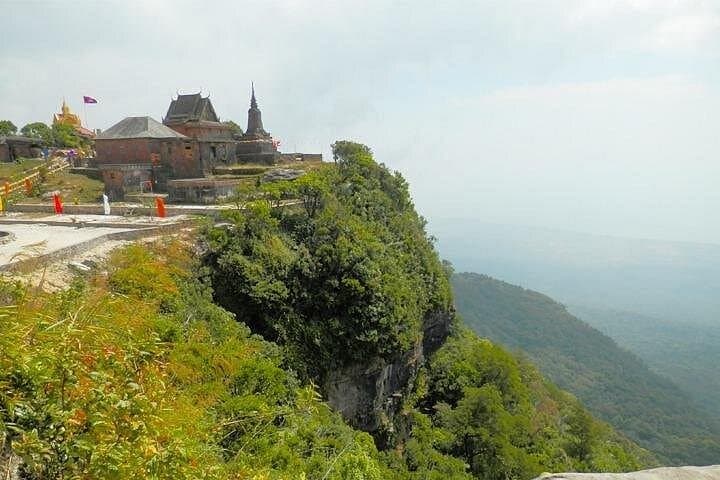
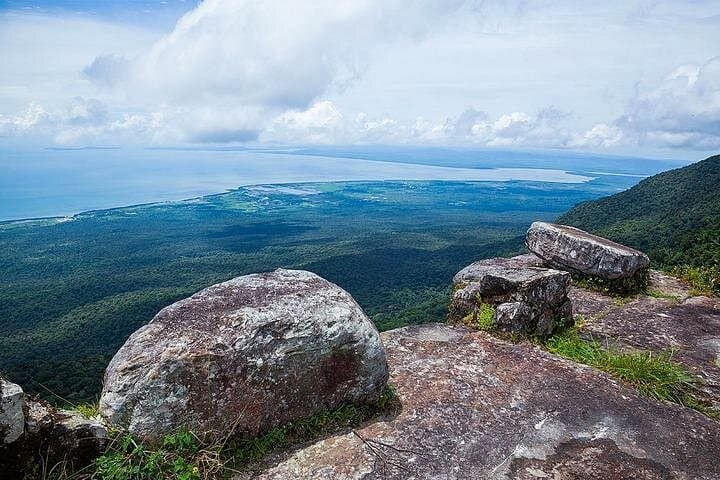
You crest a fog-slick ridge and the road opens onto cracked terraces, an abandoned Palace staring out over a drop that throws the Gulf of Thailand into sudden scale.
Verified experiences and guided adventures in the surrounding area.
Operated by Angkor Focus Travel · Kampot, Kampot Province
You crest a fog-slick ridge and the road opens onto cracked terraces, an abandoned Palace staring out over a drop that throws the Gulf of Thailand into sudden scale.
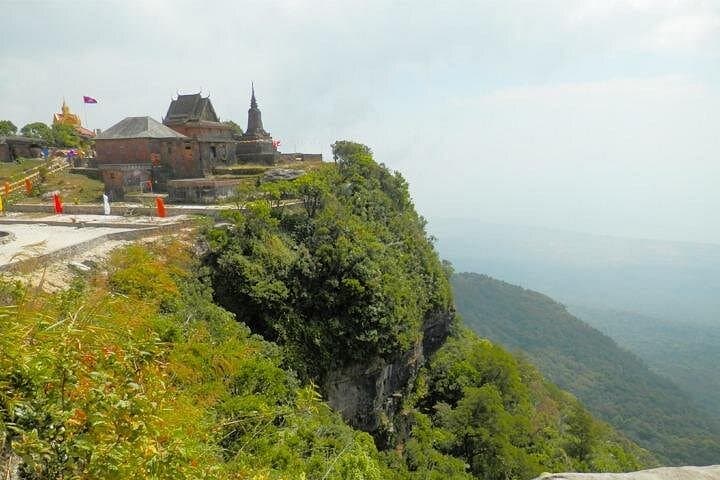
Phnom Bokor’s hill station feels half-remembered: a Catholic church, a hulking colonial hotel and ruined villas that slope toward thick evergreen forest. The site was developed by the French in the 1920s as a cool refuge and gambling retreat, and its granite bones and art-deco flourishes still read the era’s ambition. Geologically the massif is a high limestone outcrop with steep escarpments that channel sudden rain and bright cloud formations; the plateau’s elevation creates microclimates and seasonal waterfalls that appear with dramatic regularity.
Local culture around Kampot and the surrounding Bokor National Park blends Khmer rural life, pepper farms in the lowlands, and travel-focused services; guides often point out local farming practices as you descend. Expect the summit to alternate between eerie quiet and wide, sea-swept vistas—the forest seems to push back against the ruined buildings, reclaiming foundations and stairwells.
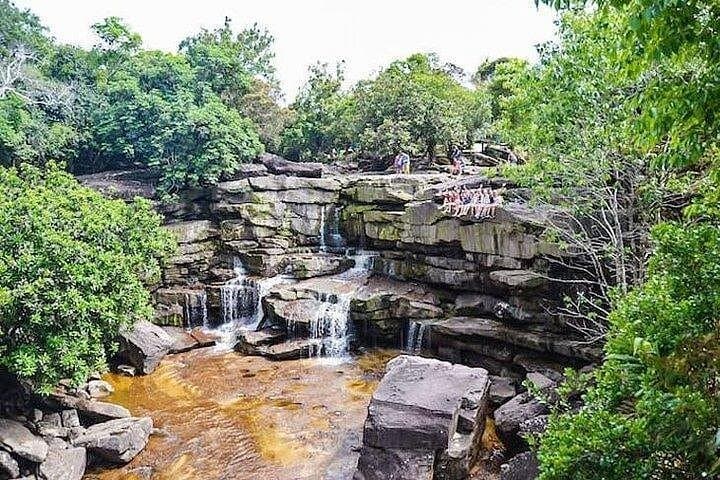
Practically, the tour is a day trip: roughly a one‑hour drive from Kampot, a few short walks at the hill station, a stop at a waterfall for a swim and a included lunch before returning in time for a sunset river cruise. Wear grippy shoes for uneven concrete and forest trails, bring a rain layer for sudden storms, and carry water—the mountain can flip from warm sun to stiff wind within minutes. Photography rewards patience: early morning or late afternoon light reduces haze and reveals the sea beyond the cliffs.
The transfer is about one hour each way, depending on traffic and road conditions.
Guided areas and main pathways are generally safe, but many buildings are unstable—follow your guide and avoid trespassing into sealed structures.
Yes, visitors often refresh at the waterfall; check with your guide about water depth and current conditions before entering.
Yes — the tour includes entrance to Bokor Hill Station, a local lunch and bottled water as listed.
Angkor Focus Travel operates guided outdoor trips and adventures with an emphasis on safety, stewardship, and memorable experiences.
You crest a fog-slick ridge and the road opens onto cracked terraces, an abandoned Palace staring out over a drop that throws the Gulf of Thailand into sudden scale.
You crest a fog-slick ridge and the road opens onto cracked terraces, an abandoned Palace staring out over a drop that throws the Gulf of Thailand into sudden scale.
Phnom Bokor’s hill station feels half-remembered: a Catholic church, a hulking colonial hotel and ruined villas that slope toward thick evergreen forest. The site was developed by the French in the 1920s as a cool refuge and gambling retreat, and its granite bones and art-deco flourishes still read the era’s ambition. Geologically the massif is a high limestone outcrop with steep escarpments that channel sudden rain and bright cloud formations; the plateau’s elevation creates microclimates and seasonal waterfalls that appear with dramatic regularity.
Local culture around Kampot and the surrounding Bokor National Park blends Khmer rural life, pepper farms in the lowlands, and travel-focused services; guides often point out local farming practices as you descend. Expect the summit to alternate between eerie quiet and wide, sea-swept vistas—the forest seems to push back against the ruined buildings, reclaiming foundations and stairwells.
Practically, the tour is a day trip: roughly a one‑hour drive from Kampot, a few short walks at the hill station, a stop at a waterfall for a swim and a included lunch before returning in time for a sunset river cruise. Wear grippy shoes for uneven concrete and forest trails, bring a rain layer for sudden storms, and carry water—the mountain can flip from warm sun to stiff wind within minutes. Photography rewards patience: early morning or late afternoon light reduces haze and reveals the sea beyond the cliffs.