THE ADVENTURE COLLECTIVE® · Independent discovery and booking for outdoor travel

Drive into cool highland air and explore Bokor Hill Station’s abandoned French-era hotel, the Black Palace, and Popok Vil waterfall on a private half-day tour. Practical tips on timing, footwear, and what wildlife you might spot along the way.
Drive into cool highland air and explore Bokor Hill Station’s abandoned French-era hotel, the Black Palace, and Popok Vil waterfall on a private half-day tour. Practical tips on timing, footwear, and what wildlife you might spot along the way.
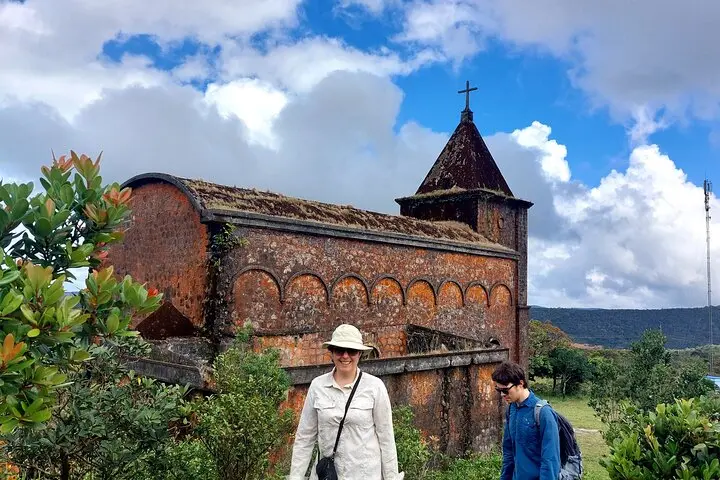
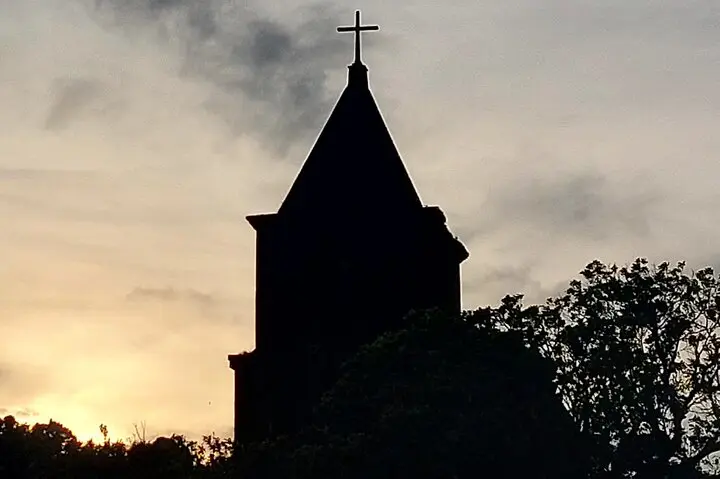
The road climbs and the lowlands fall away until the mist and the sea trade places: Bokor Mountain rises out of the coastal plain and the SUV eases into a highland of cool air and cracked concrete. On a private tour you move between relics—an abandoned colonial hotel, a faded king’s residence known locally as the Black Palace, and shuttered churches—each building holding the slow echo of Cambodia’s 20th-century history.
Verified experiences and guided adventures in the surrounding area.
Operated by Visit Kampot/Kep with Micki · Kampot, Kampot Province
The road climbs and the lowlands fall away until the mist and the sea trade places: Bokor Mountain rises out of the coastal plain and the SUV eases into a highland of cool air and cracked concrete. On a private tour you move between relics—an abandoned colonial hotel, a faded king’s residence known locally as the Black Palace, and shuttered churches—each building holding the slow echo of Cambodia’s 20th-century history.
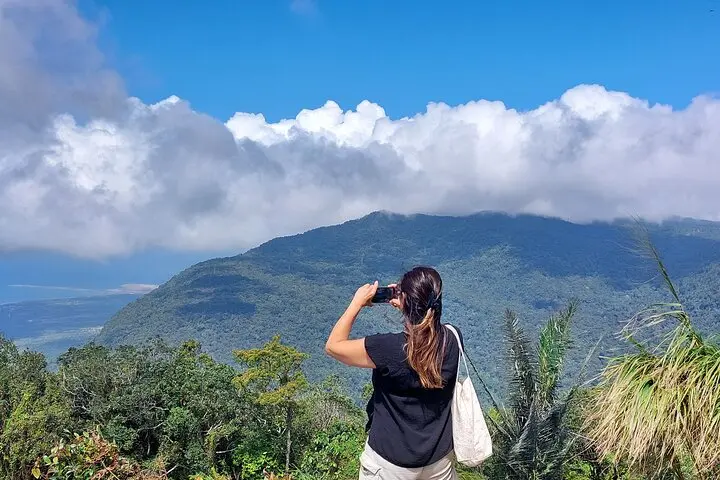
Geology here is simple and abrupt: an uplift of sandstone and laterite forming plateaus and steep escarpments that look down toward the Gulf of Thailand. The park’s evergreen forest gives structure to the landscape; its canopy hides hornbills and agile gibbons that, if you’re lucky, will call like percussion between the ruins.
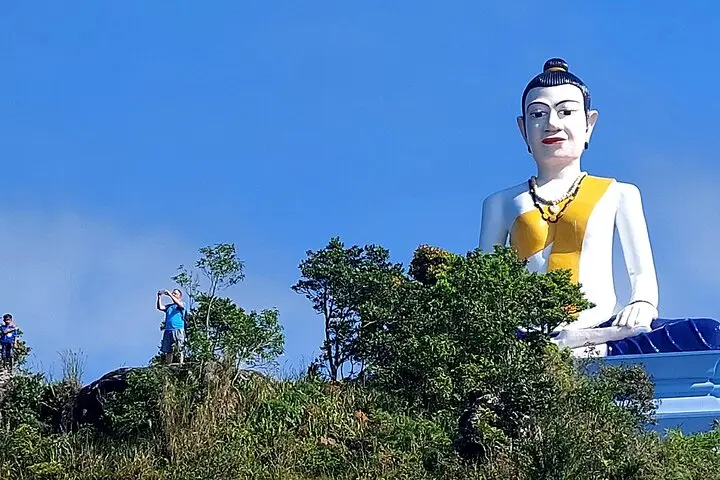
Culture and history are visible in stone and stucco—French colonial architecture, Buddhist stupas scarred by conflict, and local shrine sites where devotees continue to leave offerings. The tour finishes with Popok Vil waterfall, a place where the river insists you pause, and a short 20-minute walk takes you to a second cascade and a cooler, quieter microclimate.
Practical guidance: leave Sihanoukville or Kampot early to avoid road traffic and afternoon cloud; wear sturdy shoes for uneven paths around ruins and at the waterfall; carry cash for small entrance fees and tips; and bring a light rain shell—mountain weather can change suddenly. Expect a 5–6 hour outing with mostly paved driving, short guided walks, and multiple photo stops.
The private tour runs about 5–6 hours round trip, including driving, guided stops, and a short waterfall walk.
Most of the ascent is on paved roads maintained for tourist traffic, though conditions can be wet and visibility reduced during rains.
Wildlife sightings—monkeys, gibbons, hornbills, and squirrels—are possible but not guaranteed; early mornings increase chances.
Many structures are abandoned and partially unstable; guides will steer guests to safe viewing areas rather than unsafe interiors.
Visit Kampot/Kep with Micki operates guided outdoor trips and adventures with an emphasis on safety, stewardship, and memorable experiences.
The road climbs and the lowlands fall away until the mist and the sea trade places: Bokor Mountain rises out of the coastal plain and the SUV eases into a highland of cool air and cracked concrete. On a private tour you move between relics—an abandoned colonial hotel, a faded king’s residence known locally as the Black Palace, and shuttered churches—each building holding the slow echo of Cambodia’s 20th-century history.
The road climbs and the lowlands fall away until the mist and the sea trade places: Bokor Mountain rises out of the coastal plain and the SUV eases into a highland of cool air and cracked concrete. On a private tour you move between relics—an abandoned colonial hotel, a faded king’s residence known locally as the Black Palace, and shuttered churches—each building holding the slow echo of Cambodia’s 20th-century history.
Geology here is simple and abrupt: an uplift of sandstone and laterite forming plateaus and steep escarpments that look down toward the Gulf of Thailand. The park’s evergreen forest gives structure to the landscape; its canopy hides hornbills and agile gibbons that, if you’re lucky, will call like percussion between the ruins.
Culture and history are visible in stone and stucco—French colonial architecture, Buddhist stupas scarred by conflict, and local shrine sites where devotees continue to leave offerings. The tour finishes with Popok Vil waterfall, a place where the river insists you pause, and a short 20-minute walk takes you to a second cascade and a cooler, quieter microclimate.
Practical guidance: leave Sihanoukville or Kampot early to avoid road traffic and afternoon cloud; wear sturdy shoes for uneven paths around ruins and at the waterfall; carry cash for small entrance fees and tips; and bring a light rain shell—mountain weather can change suddenly. Expect a 5–6 hour outing with mostly paved driving, short guided walks, and multiple photo stops.