THE ADVENTURE COLLECTIVE® · Independent discovery and booking for outdoor travel

Trace the wartime frontier on a half-day WWII tour of Darwin that combines a harbor cruise over shipwrecks with guided and self-guided stops at museums and bunkers. Expect concentrated history, coastal vistas, and practical tips for the tropical climate.
Trace the wartime frontier on a half-day WWII tour of Darwin that combines a harbor cruise over shipwrecks with guided and self-guided stops at museums and bunkers. Expect concentrated history, coastal vistas, and practical tips for the tropical climate.
The boat slips away from Stokes Hill as the harbor opens and the skyline of Darwin slides aft — salt spray and heat press lightly against the deck while the guide points toward the scatter of wreckage where steel once met shrapnel. The cruise cuts a quiet arc over rusting hulls and shallow reefs, the water itself seeming to hold memory, nudging visitors toward the sites that defined Australia’s northern wartime front.
Verified experiences and guided adventures in the surrounding area.
Operated by Sea Darwin-Sea Tiwi · Darwin, Northern Territory
The boat slips away from Stokes Hill as the harbor opens and the skyline of Darwin slides aft — salt spray and heat press lightly against the deck while the guide points toward the scatter of wreckage where steel once met shrapnel. The cruise cuts a quiet arc over rusting hulls and shallow reefs, the water itself seeming to hold memory, nudging visitors toward the sites that defined Australia’s northern wartime front.
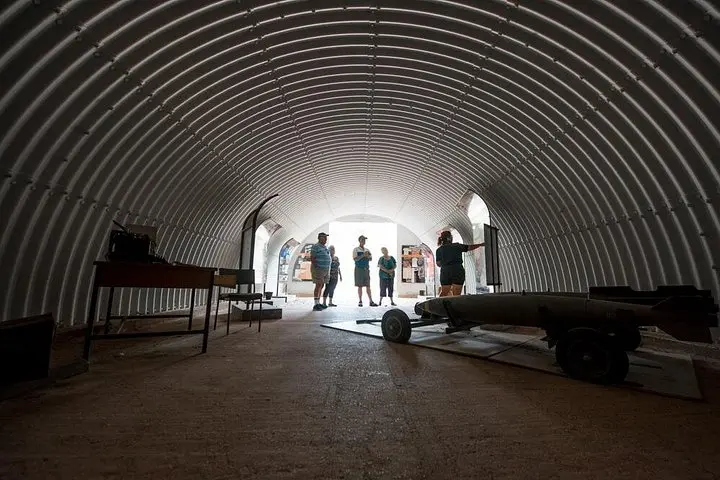
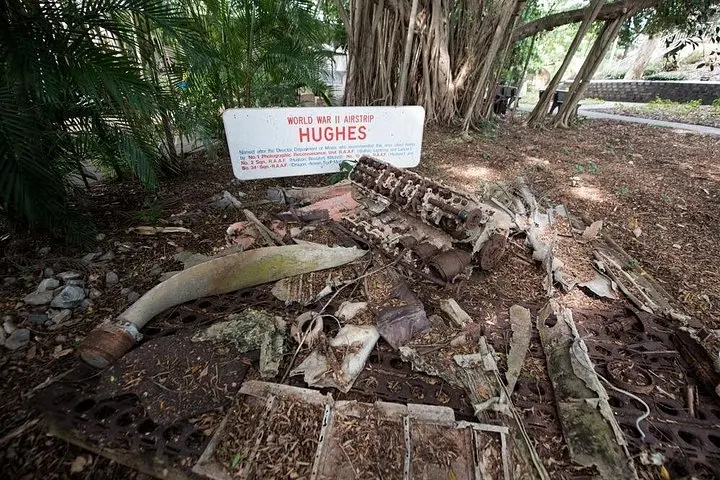
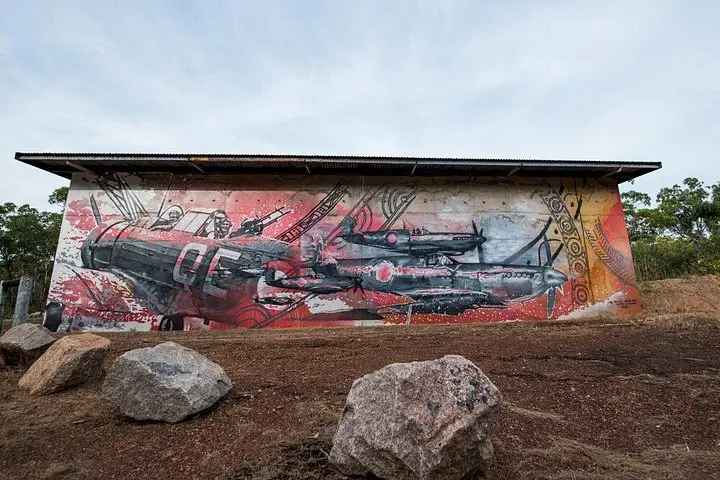
On land the pace changes: low-slung museums and preserved bunkers sit on flat coastal country carved from ancient tidal flats and Vulcanosedimentary soils. Here the story is blunt — the first and largest air raids on Australia on 19 February 1942, the hurried evacuation and the naval losses that still lie offshore. Local culture threads through the tour as well: Indigenous Larrakia connections to the harbour, wartime multicultural crews, and Darwin’s post-war rebuilding all appear in exhibit labels and guided commentary.
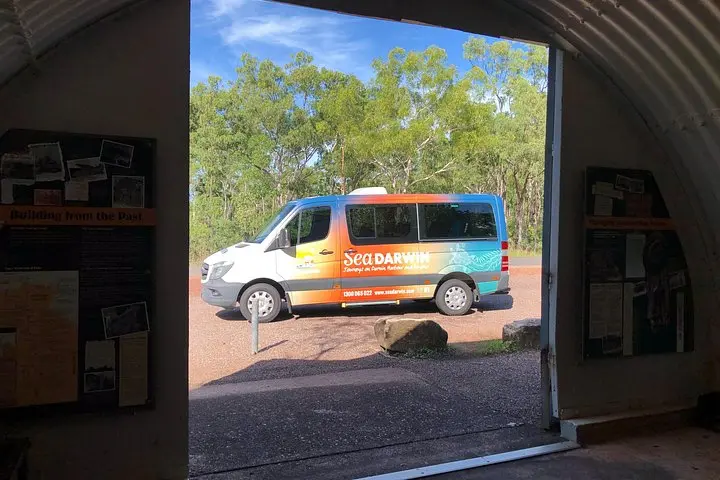
Expect a mixed itinerary — roughly 4.5 hours in total, including a 60-minute bombing-of-Darwin cruise, walks through museum exhibits and a bunker, and short coach transfers. The tour moves at a steady, accessible pace for moderately fit travelers; surfaces are flat but can be hot and exposed. Small group sizes (shared tours limited) make questions easy and views unobstructed.
Practical guidance: bring sun protection, a refillable water bottle, and motion-sickness remedies if you’re sensitive to short boat rides. Wear comfortable closed shoes for museum paths and bunker steps. Check pickup details and weather notices — Darwin’s wet season can change plans quickly — and leave room in your schedule for reflective time at memorials.
The tour runs about 4.5 hours and includes a 60-minute harbor cruise, guided commentary, visits to museums and a bunker exhibit, coach transfers, and live onboard commentary.
Infants are allowed but must sit on an adult’s lap on the boat; consider sea conditions and museum pacing before bringing very young children.
Yes—the cruise passes over wartime wreck sites and the guide explains their locations and histories; viewing depends on light and sea conditions.
Tours may be canceled in bad weather or for insufficient passengers; when canceled at least 24 hours before departure a full refund is typically available.
Sea Darwin-Sea Tiwi operates guided outdoor trips and adventures with an emphasis on safety, stewardship, and memorable experiences.
The boat slips away from Stokes Hill as the harbor opens and the skyline of Darwin slides aft — salt spray and heat press lightly against the deck while the guide points toward the scatter of wreckage where steel once met shrapnel. The cruise cuts a quiet arc over rusting hulls and shallow reefs, the water itself seeming to hold memory, nudging visitors toward the sites that defined Australia’s northern wartime front.
The boat slips away from Stokes Hill as the harbor opens and the skyline of Darwin slides aft — salt spray and heat press lightly against the deck while the guide points toward the scatter of wreckage where steel once met shrapnel. The cruise cuts a quiet arc over rusting hulls and shallow reefs, the water itself seeming to hold memory, nudging visitors toward the sites that defined Australia’s northern wartime front.
On land the pace changes: low-slung museums and preserved bunkers sit on flat coastal country carved from ancient tidal flats and Vulcanosedimentary soils. Here the story is blunt — the first and largest air raids on Australia on 19 February 1942, the hurried evacuation and the naval losses that still lie offshore. Local culture threads through the tour as well: Indigenous Larrakia connections to the harbour, wartime multicultural crews, and Darwin’s post-war rebuilding all appear in exhibit labels and guided commentary.
Expect a mixed itinerary — roughly 4.5 hours in total, including a 60-minute bombing-of-Darwin cruise, walks through museum exhibits and a bunker, and short coach transfers. The tour moves at a steady, accessible pace for moderately fit travelers; surfaces are flat but can be hot and exposed. Small group sizes (shared tours limited) make questions easy and views unobstructed.
Practical guidance: bring sun protection, a refillable water bottle, and motion-sickness remedies if you’re sensitive to short boat rides. Wear comfortable closed shoes for museum paths and bunker steps. Check pickup details and weather notices — Darwin’s wet season can change plans quickly — and leave room in your schedule for reflective time at memorials.