THE ADVENTURE COLLECTIVE® · Independent discovery and booking for outdoor travel

Board Bonadea II at Puerto Colón for a 2-hour ecological whale watching cruise into the Teno-Rasca protected zone. Expect dolphin encounters, hydrophone listening, and responsible approaches to cetaceans against a dramatic volcanic coastline.
Board Bonadea II at Puerto Colón for a 2-hour ecological whale watching cruise into the Teno-Rasca protected zone. Expect dolphin encounters, hydrophone listening, and responsible approaches to cetaceans against a dramatic volcanic coastline.
A small displacement boat leaves Dock 4 at Puerto Colón and the island’s rim slides away fast: black volcanic cliffs give way to open blue, gulls argue overhead and the swell sets the rhythm.
Verified experiences and guided adventures in the surrounding area.
Operated by Bonadea II - Diomedea · Adeje, Santa Cruz de Tenerife
A small displacement boat leaves Dock 4 at Puerto Colón and the island’s rim slides away fast: black volcanic cliffs give way to open blue, gulls argue overhead and the swell sets the rhythm.
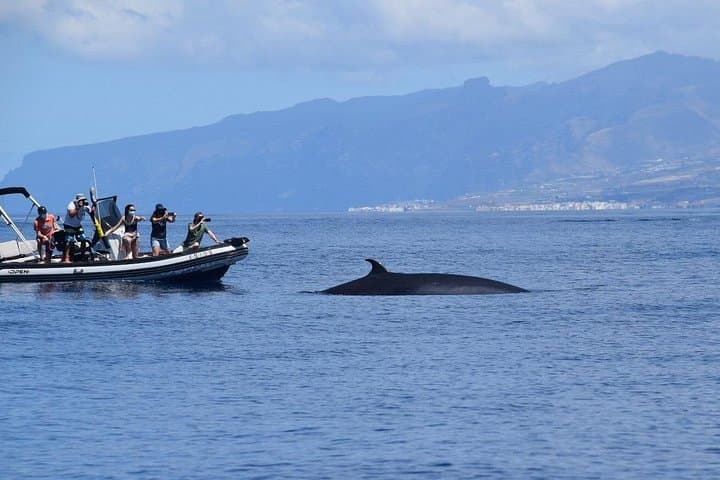
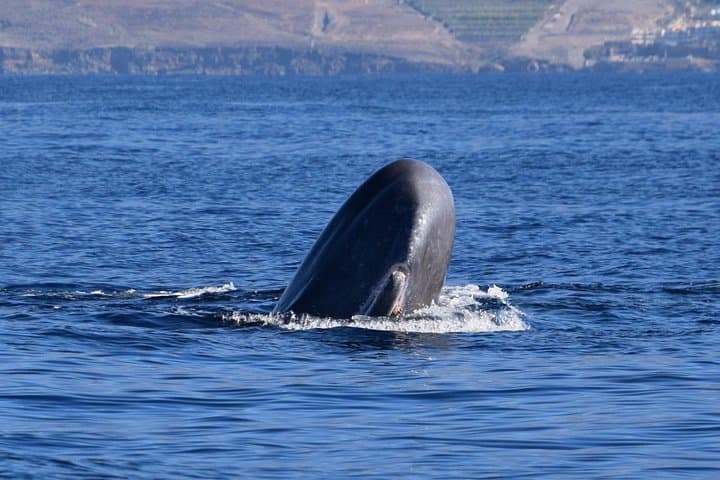
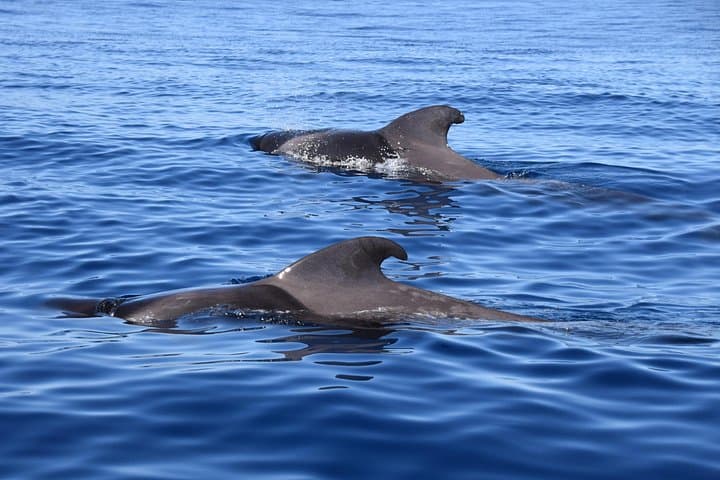
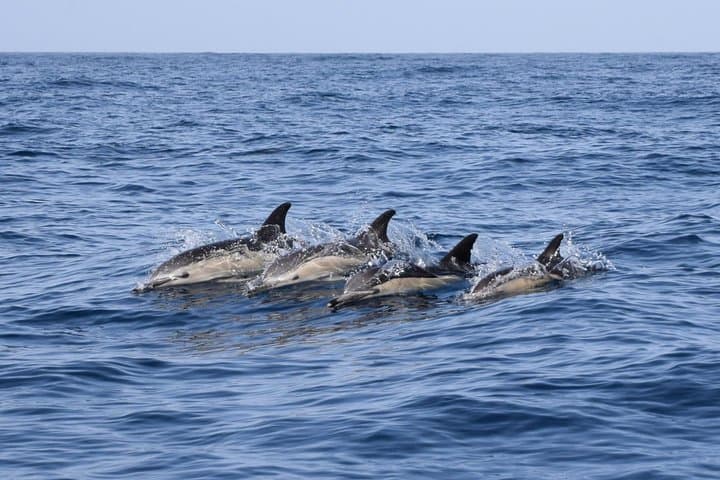
The Bonadea II pushes into the Teno-Rasca Special Conservation Area, a protected marine corridor where the seabed drops to around 1,000 meters within three miles of shore. That steep submarine slope concentrates prey and draws in cetaceans—resident tropical bottlenose dolphins and the occasional migratory whale—making this stretch one of Tenerife’s most reliable wildlife watches. Operators here have worked with local authorities for decades; the company holds the Canary Islands “Blue Boat” authorization and follows Natura 2000 guidance.
The human side of the trip is coastal: Tenerife’s south coast grew from volcanic eruptions and a fishing economy; today small marinas like Puerto Colón serve both anglers and eco-tour boats. Onboard you’ll usually find a guide and a hydrophone—an invitation to hear the animals as well as see them.
Practically, expect a two-hour excursion with close-but-respectful approaches; crews limit interaction to avoid disturbance. Mornings or calm afternoons increase sighting odds. Bring a windproof layer, sun protection, and binoculars; stow cameras in waterproof cases. If you’re prone to motion sickness the short ride to the deep-water shelf can be bumpy—plan accordingly.
Respect the guidelines: photography is welcome, chasing is not. A well-run ecological cruise here balances patient observation with clear conservation practices, making the sea feel alive and deliberate rather than random.
Crew follow regional guidelines to approach at a respectful distance; small, slow passes allow viewing without disrupting natural behavior.
No—wildlife is unpredictable, but the Teno-Rasca shelf and operator experience make sightings common, especially dolphins and turtles.
Service animals are allowed; infants must sit on laps. The trip is generally suitable for families but not recommended for those with severe spinal or cardiovascular issues.
Yes—trips include a hydrophone so passengers can hear cetacean vocalizations when conditions permit.
Bonadea II - Diomedea operates guided outdoor trips and adventures with an emphasis on safety, stewardship, and memorable experiences.
A small displacement boat leaves Dock 4 at Puerto Colón and the island’s rim slides away fast: black volcanic cliffs give way to open blue, gulls argue overhead and the swell sets the rhythm.
A small displacement boat leaves Dock 4 at Puerto Colón and the island’s rim slides away fast: black volcanic cliffs give way to open blue, gulls argue overhead and the swell sets the rhythm.
The Bonadea II pushes into the Teno-Rasca Special Conservation Area, a protected marine corridor where the seabed drops to around 1,000 meters within three miles of shore. That steep submarine slope concentrates prey and draws in cetaceans—resident tropical bottlenose dolphins and the occasional migratory whale—making this stretch one of Tenerife’s most reliable wildlife watches. Operators here have worked with local authorities for decades; the company holds the Canary Islands “Blue Boat” authorization and follows Natura 2000 guidance.
The human side of the trip is coastal: Tenerife’s south coast grew from volcanic eruptions and a fishing economy; today small marinas like Puerto Colón serve both anglers and eco-tour boats. Onboard you’ll usually find a guide and a hydrophone—an invitation to hear the animals as well as see them.
Practically, expect a two-hour excursion with close-but-respectful approaches; crews limit interaction to avoid disturbance. Mornings or calm afternoons increase sighting odds. Bring a windproof layer, sun protection, and binoculars; stow cameras in waterproof cases. If you’re prone to motion sickness the short ride to the deep-water shelf can be bumpy—plan accordingly.
Respect the guidelines: photography is welcome, chasing is not. A well-run ecological cruise here balances patient observation with clear conservation practices, making the sea feel alive and deliberate rather than random.