THE ADVENTURE COLLECTIVE® · Independent discovery and booking for outdoor travel

Dive Bonaire after dark to watch ostracods and plankton light up with every fin stroke. This guided experience is for certified divers and pairs a short presentation with a carefully timed night dive on protected reefs.
Dive Bonaire after dark to watch ostracods and plankton light up with every fin stroke. This guided experience is for certified divers and pairs a short presentation with a carefully timed night dive on protected reefs.
Nightfall on Bonaire compresses color and sound; the reef becomes a low, breathing thing and the sea hesitates at the shoreline. On a guided bioluminescent night dive the water responds like a living lantern—tiny organisms flare where fins part and bubbles pulse like falling stars. Certified divers slip quietly beneath the surface after a short presentation and gear check, then watch organisms that normally hide in daylight turn the water into a trail of light.
Verified experiences and guided adventures in the surrounding area.
Operated by Amazing Bonaire · Kralendijk, Bonaire
Nightfall on Bonaire compresses color and sound; the reef becomes a low, breathing thing and the sea hesitates at the shoreline. On a guided bioluminescent night dive the water responds like a living lantern—tiny organisms flare where fins part and bubbles pulse like falling stars. Certified divers slip quietly beneath the surface after a short presentation and gear check, then watch organisms that normally hide in daylight turn the water into a trail of light.
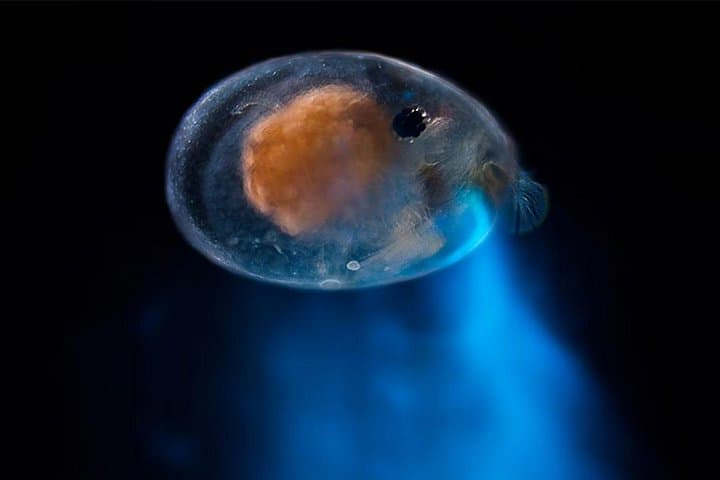
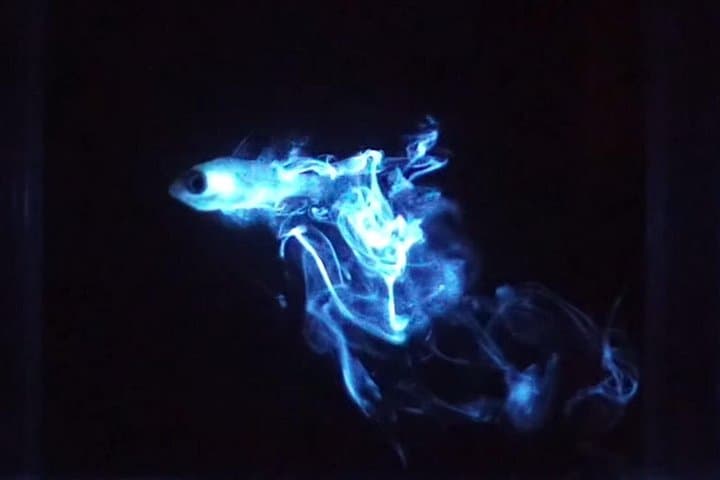
Bonaire’s reefs sit on ancient coral frameworks built over millennia and protected since the late 1970s by the Bonaire National Marine Park. The island’s Dutch-Caribbean culture is modest and dive-focused; local guides are both stewards and storytellers, blending natural history with current research into ostracods and dinoflagellates that create the glow.
Expect a practical, safety-first operation: briefings, assembled tanks, and a guided descent timed for peak bioluminescence on moonless nights. Visibility can be limited—this is night diving—so buoyancy, light discipline and controlled movements matter. Water temperatures are typically mid- to high-70s°F (24–28°C); a 3mm wetsuit or shorty keeps you comfortable.
Plan to arrive rested, bring your certification card, and choose a night with little moonlight for the brightest display. The experience is brief but unforgettable: seconds of sparkling trails and luminous wakes that make the ocean feel aware and responsive. For certified divers eager to add a rare sensory moment to their logbook, this night dive is a concise, expertly guided encounter with one of the ocean’s most theatrical phenomena.
Yes — the operator requires proof of Open Water certification; some experience with night dives is recommended.
Total activity time is about 2.5 hours; actual bottom time depends on the dive plan and air consumption but is typically a single night dive.
Age and experience limits vary by operator; minors must meet certification and maturity requirements—check when booking.
Low-light photography is challenging; bring a camera with proper strobes and consult the guide on acceptable flash use to avoid disrupting bioluminescence.
Amazing Bonaire operates guided outdoor trips and adventures with an emphasis on safety, stewardship, and memorable experiences.

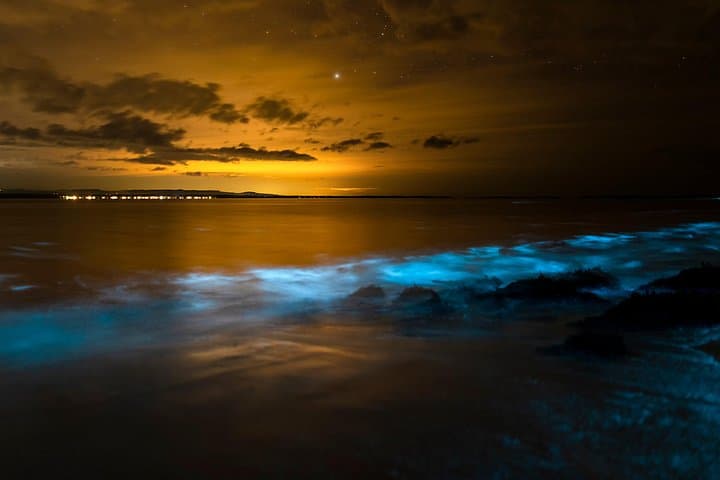
Nightfall on Bonaire compresses color and sound; the reef becomes a low, breathing thing and the sea hesitates at the shoreline. On a guided bioluminescent night dive the water responds like a living lantern—tiny organisms flare where fins part and bubbles pulse like falling stars. Certified divers slip quietly beneath the surface after a short presentation and gear check, then watch organisms that normally hide in daylight turn the water into a trail of light.
Nightfall on Bonaire compresses color and sound; the reef becomes a low, breathing thing and the sea hesitates at the shoreline. On a guided bioluminescent night dive the water responds like a living lantern—tiny organisms flare where fins part and bubbles pulse like falling stars. Certified divers slip quietly beneath the surface after a short presentation and gear check, then watch organisms that normally hide in daylight turn the water into a trail of light.
Bonaire’s reefs sit on ancient coral frameworks built over millennia and protected since the late 1970s by the Bonaire National Marine Park. The island’s Dutch-Caribbean culture is modest and dive-focused; local guides are both stewards and storytellers, blending natural history with current research into ostracods and dinoflagellates that create the glow.
Expect a practical, safety-first operation: briefings, assembled tanks, and a guided descent timed for peak bioluminescence on moonless nights. Visibility can be limited—this is night diving—so buoyancy, light discipline and controlled movements matter. Water temperatures are typically mid- to high-70s°F (24–28°C); a 3mm wetsuit or shorty keeps you comfortable.
Plan to arrive rested, bring your certification card, and choose a night with little moonlight for the brightest display. The experience is brief but unforgettable: seconds of sparkling trails and luminous wakes that make the ocean feel aware and responsive. For certified divers eager to add a rare sensory moment to their logbook, this night dive is a concise, expertly guided encounter with one of the ocean’s most theatrical phenomena.