THE ADVENTURE COLLECTIVE® · Independent discovery and booking for outdoor travel

Slip into 80°F water and follow a certified guide across Bonaire’s fringing reefs on a three-hour shore-snorkel tour. Expect close encounters with hawksbill and green turtles, focused marine interpretation, and easy shore entries suited to snorkelers with moderate fitness.
Slip into 80°F water and follow a certified guide across Bonaire’s fringing reefs on a three-hour shore-snorkel tour. Expect close encounters with hawksbill and green turtles, focused marine interpretation, and easy shore entries suited to snorkelers with moderate fitness.
The surface breaks into glass and light as you slip over the reef—fins whisper, a guide signals, and the ocean opens. Twelve minutes from Kralendijk the water sits at an even 80°F year-round; the guide leads you along a fringing reef where parrotfish chew at coral and sea turtles cruise like slow ships.
Verified experiences and guided adventures in the surrounding area.
Operated by Bonaij Adventure Tours · Kralendijk, Bonaire
The surface breaks into glass and light as you slip over the reef—fins whisper, a guide signals, and the ocean opens. Twelve minutes from Kralendijk the water sits at an even 80°F year-round; the guide leads you along a fringing reef where parrotfish chew at coral and sea turtles cruise like slow ships.
Bonaire is one of the Caribbean's best shore-snorkel islands. Geologically it’s a limestone and volcanic remnant with fringing coral reefs that grew on shallow shelves; culturally the island's fortunes were shaped by salt harvesting and seafaring, and the government responded to pressure on reefs by establishing a marine park decades ago. That local stewardship shows in cleaner water, clearer visibility, and abundant fish life.
On a guided three-hour trip you’ll visit two south-coast sites chosen for ease of entry and wildlife odds—expect hawksbill and green turtles, reef fish, and dense coral gardens. The guide will offer fish ID and ecology notes while keeping entries safe: shore entry, short surface swims, and brief underwater stops for observation.
Practicalities: bring reef-safe sunscreen, a snug mask (or use supplied gear), and a water bottle; moderate fitness and basic snorkeling comfort are required. Timing matters—early morning brings calmer seas and calmer crowds. Respect the reef: no touching, no standing on coral, and follow your guide's buoyancy and distance instructions. This is snorkeling with intention—an educational swim that leaves you with a clearer sense of how fragile and resilient these reefs can be.
No advanced experience is required, but you should be comfortable swimming and using a mask and snorkel; guides assist beginners and choose gentle shore-entry sites.
Water averages around 80°F (27°C) year-round with typically good visibility—often 10–30 meters depending on conditions and site.
Yes—hawksbill and green sea turtles are commonly seen around Bonaire's reefs, though wildlife sightings can't be guaranteed.
Tours often provide basic flotation vests or noodles on request; confirm at booking if you prefer added buoyancy.
Bonaij Adventure Tours operates guided outdoor trips and adventures with an emphasis on safety, stewardship, and memorable experiences.
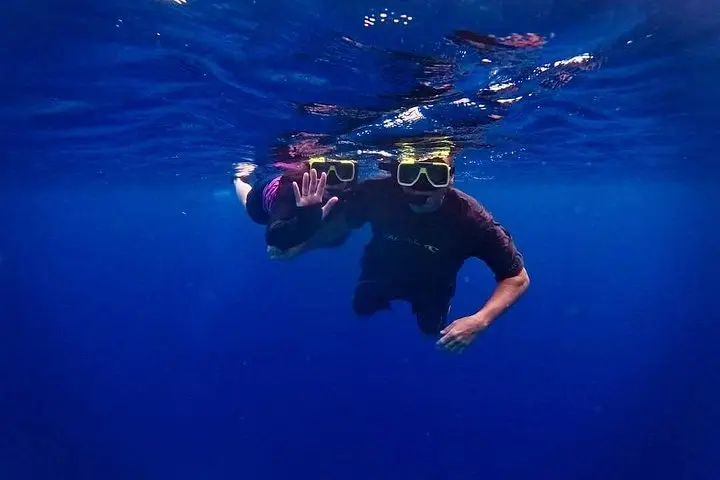
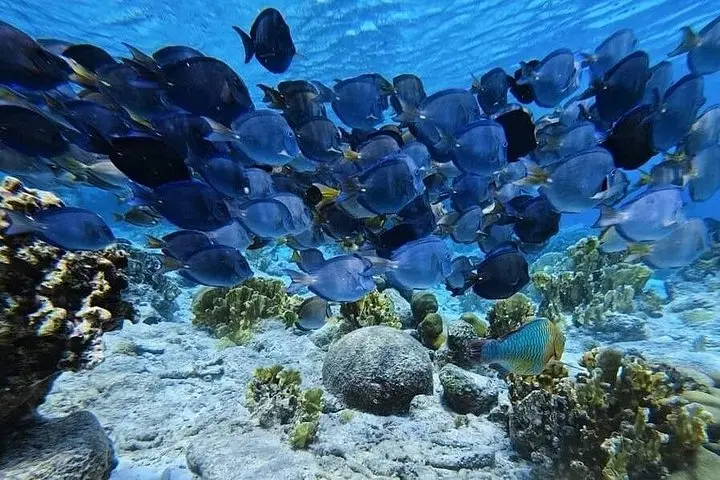
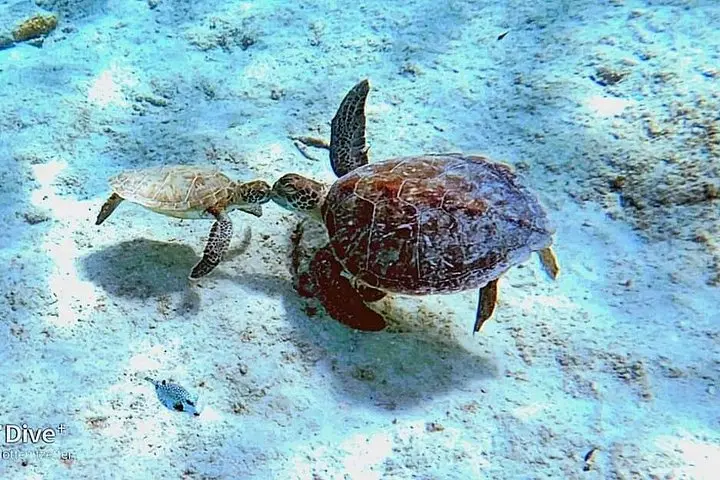
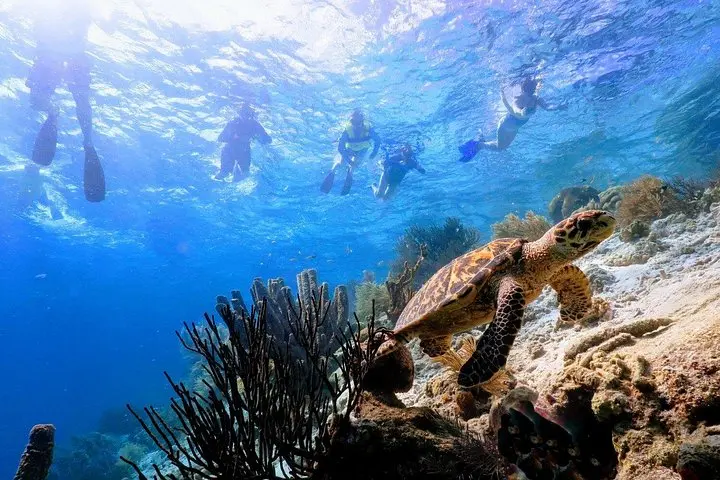
The surface breaks into glass and light as you slip over the reef—fins whisper, a guide signals, and the ocean opens. Twelve minutes from Kralendijk the water sits at an even 80°F year-round; the guide leads you along a fringing reef where parrotfish chew at coral and sea turtles cruise like slow ships.
The surface breaks into glass and light as you slip over the reef—fins whisper, a guide signals, and the ocean opens. Twelve minutes from Kralendijk the water sits at an even 80°F year-round; the guide leads you along a fringing reef where parrotfish chew at coral and sea turtles cruise like slow ships.
Bonaire is one of the Caribbean's best shore-snorkel islands. Geologically it’s a limestone and volcanic remnant with fringing coral reefs that grew on shallow shelves; culturally the island's fortunes were shaped by salt harvesting and seafaring, and the government responded to pressure on reefs by establishing a marine park decades ago. That local stewardship shows in cleaner water, clearer visibility, and abundant fish life.
On a guided three-hour trip you’ll visit two south-coast sites chosen for ease of entry and wildlife odds—expect hawksbill and green turtles, reef fish, and dense coral gardens. The guide will offer fish ID and ecology notes while keeping entries safe: shore entry, short surface swims, and brief underwater stops for observation.
Practicalities: bring reef-safe sunscreen, a snug mask (or use supplied gear), and a water bottle; moderate fitness and basic snorkeling comfort are required. Timing matters—early morning brings calmer seas and calmer crowds. Respect the reef: no touching, no standing on coral, and follow your guide's buoyancy and distance instructions. This is snorkeling with intention—an educational swim that leaves you with a clearer sense of how fragile and resilient these reefs can be.