THE ADVENTURE COLLECTIVE® · Independent discovery and booking for outdoor travel

Spend two hours on foot with a local guide through Kralendijk’s colonial streets, salt pans, and mangrove edges. These private walking tours balance historical context and natural insights in an easy, accessible format.
Spend two hours on foot with a local guide through Kralendijk’s colonial streets, salt pans, and mangrove edges. These private walking tours balance historical context and natural insights in an easy, accessible format.
You step onto the warm pavement of Kralendijk and the sea breeze pushes a scent of salt and charred cactus toward you — the island seems to be guiding your first steps. A local guide leads the way, pausing at low stone walls, a rusted cannon, and the pale patterns of old salt pans; each stop unfurls a practical story about life on an exposed coral island.
Verified experiences and guided adventures in the surrounding area.
Operated by Go Lokal Walking Tours Bonaire · Kralendijk, Bonaire
You step onto the warm pavement of Kralendijk and the sea breeze pushes a scent of salt and charred cactus toward you — the island seems to be guiding your first steps. A local guide leads the way, pausing at low stone walls, a rusted cannon, and the pale patterns of old salt pans; each stop unfurls a practical story about life on an exposed coral island.
Bonaire’s built landscape reflects its history: Dutch colonial architecture, long-running salt production, and island communities shaped by trade and the sea. The underlying geology is coral limestone and raised reef — flat, porous bedrock that channels brief tropical downpours and supports thorny scrub and Washingtonia palms. Guides weave Papiamentu phrases and local anecdotes into the route, giving context to forts, mangrove edges, and small fishing piers where pelicans judge the morning.
These private, two-hour walks are designed for slow discovery rather than strenuous hiking. Expect short, paved or compacted-sand stretches, frequent stops, and the chance to tailor the visit — from cultural neighborhoods to a quick nature detour along a mangrove fringe. Mobility access is generally good on main routes, but some side lanes are uneven.
Plan for sun and wind: a refillable water bottle, sun protection, and comfortable shoes make the walk pleasurable. Bring curiosity; ask about the island’s marine-protection efforts and the salt-panning past. The tour is compact, informative, and suited to solo travelers and small private groups who want an approachable introduction to Bonaire’s human and natural stories.
Tours are approximately two hours long and follow a leisurely pace with frequent stops.
Main walking routes are generally accessible, but some side streets or historic sites may be uneven — notify the operator at booking to arrange an accessible route.
Yes — private or small-group options are available and the operator offers low single-supplement rates to accommodate solo travelers.
There are no admissions included on the standard walk; bring small cash if you plan to visit shops or tip your guide.
Go Lokal Walking Tours Bonaire operates guided outdoor trips and adventures with an emphasis on safety, stewardship, and memorable experiences.
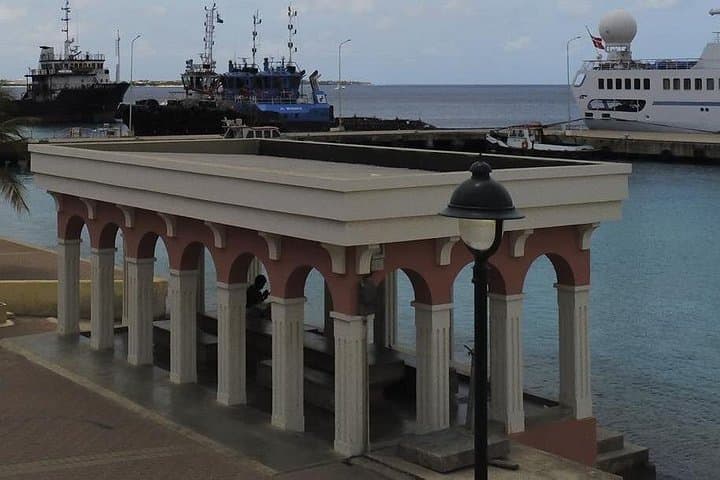
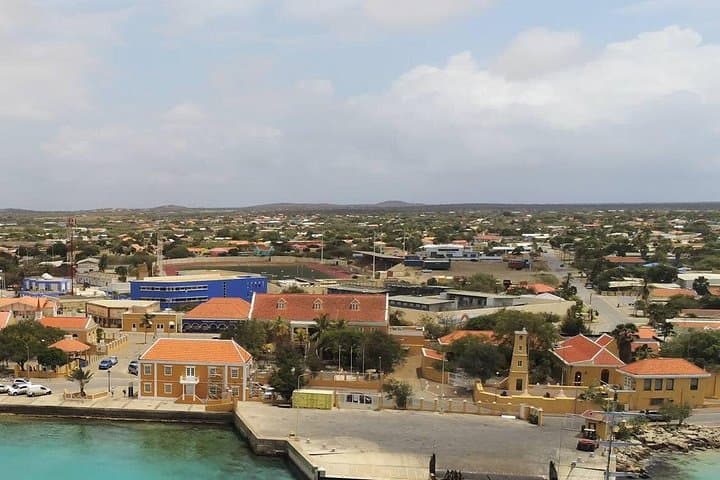
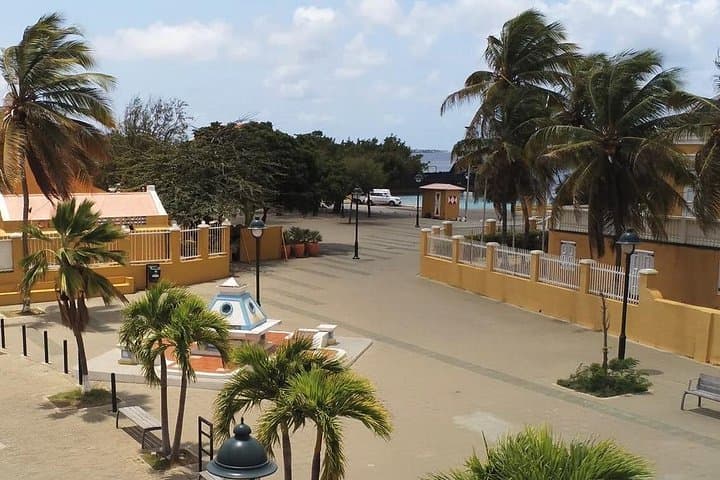
You step onto the warm pavement of Kralendijk and the sea breeze pushes a scent of salt and charred cactus toward you — the island seems to be guiding your first steps. A local guide leads the way, pausing at low stone walls, a rusted cannon, and the pale patterns of old salt pans; each stop unfurls a practical story about life on an exposed coral island.
You step onto the warm pavement of Kralendijk and the sea breeze pushes a scent of salt and charred cactus toward you — the island seems to be guiding your first steps. A local guide leads the way, pausing at low stone walls, a rusted cannon, and the pale patterns of old salt pans; each stop unfurls a practical story about life on an exposed coral island.
Bonaire’s built landscape reflects its history: Dutch colonial architecture, long-running salt production, and island communities shaped by trade and the sea. The underlying geology is coral limestone and raised reef — flat, porous bedrock that channels brief tropical downpours and supports thorny scrub and Washingtonia palms. Guides weave Papiamentu phrases and local anecdotes into the route, giving context to forts, mangrove edges, and small fishing piers where pelicans judge the morning.
These private, two-hour walks are designed for slow discovery rather than strenuous hiking. Expect short, paved or compacted-sand stretches, frequent stops, and the chance to tailor the visit — from cultural neighborhoods to a quick nature detour along a mangrove fringe. Mobility access is generally good on main routes, but some side lanes are uneven.
Plan for sun and wind: a refillable water bottle, sun protection, and comfortable shoes make the walk pleasurable. Bring curiosity; ask about the island’s marine-protection efforts and the salt-panning past. The tour is compact, informative, and suited to solo travelers and small private groups who want an approachable introduction to Bonaire’s human and natural stories.