THE ADVENTURE COLLECTIVE® · Independent discovery and booking for outdoor travel

Walk Bonaventure’s oak-lined avenues on a 90-minute tour that mixes Southern history, Victorian funerary art, and local folklore. Expect gentle terrain, river views, and a guide who decodes the stones and stories that shape Savannah’s past.
Walk Bonaventure’s oak-lined avenues on a 90-minute tour that mixes Southern history, Victorian funerary art, and local folklore. Expect gentle terrain, river views, and a guide who decodes the stones and stories that shape Savannah’s past.
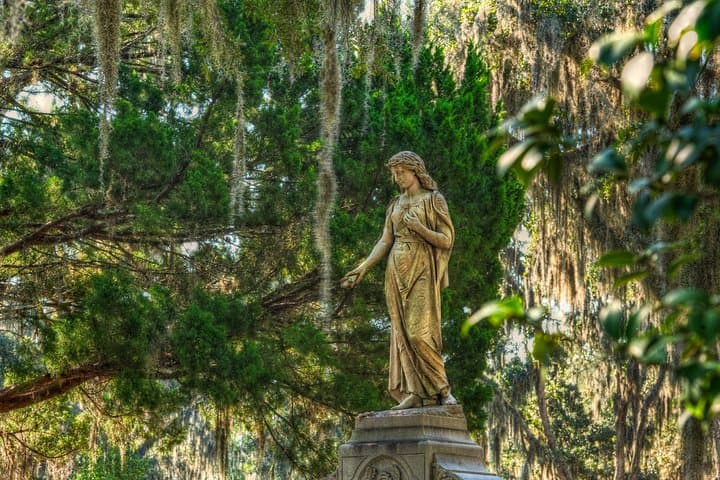
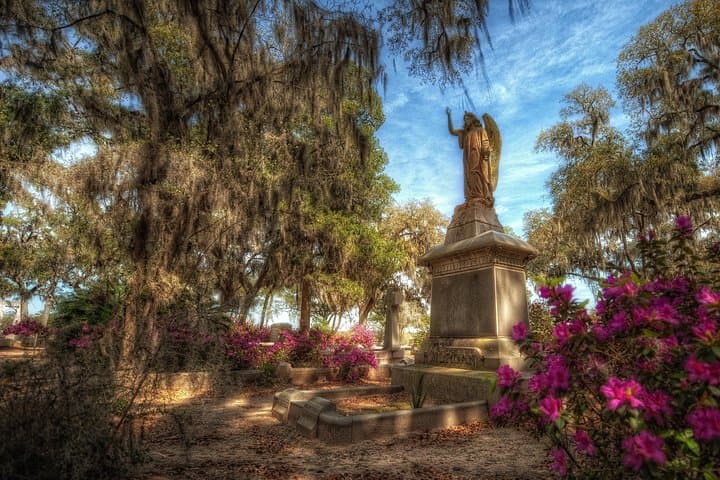
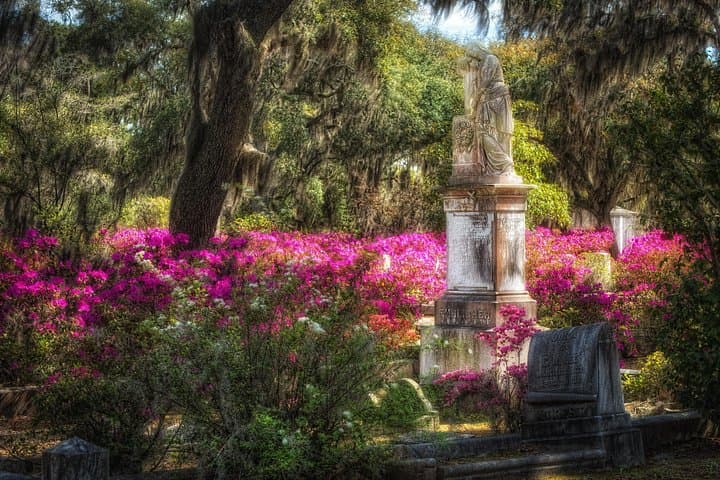
A wide avenue of live oaks arches over the approach, their branches heavy with Spanish moss that drips like slow motion. You step past the iron gate into a quiet world of stone—weathered obelisks, weeping angels, and family plots that crowd under long shadows. The air smells faintly of river and earth; gulls call from the nearby marsh as the guide draws a line between the cemetery’s monuments and the city’s past.
Verified experiences and guided adventures in the surrounding area.
Operated by Ghost City Tours · Savannah, Georgia
A wide avenue of live oaks arches over the approach, their branches heavy with Spanish moss that drips like slow motion. You step past the iron gate into a quiet world of stone—weathered obelisks, weeping angels, and family plots that crowd under long shadows. The air smells faintly of river and earth; gulls call from the nearby marsh as the guide draws a line between the cemetery’s monuments and the city’s past.
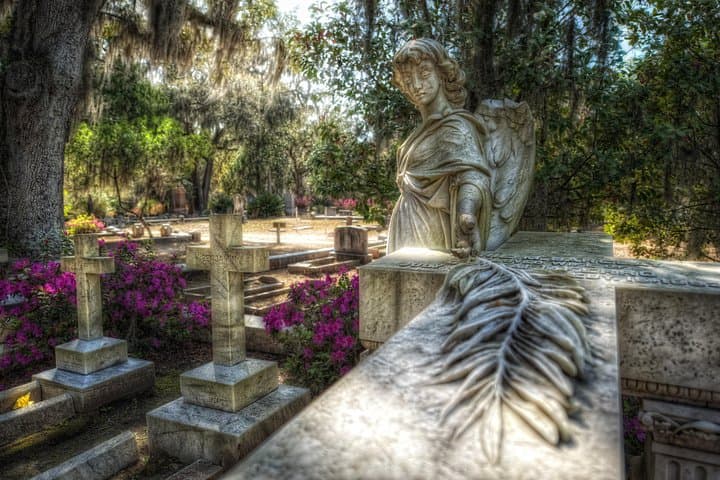
Bonaventure began as a plantation and evolved into one of the South’s most photographed Victorian cemeteries, its lanes laid out in the mid-19th century when garden cemeteries blended memorial and landscape design. The cemetery preserves funerary art—urns, lambs, carved drapery—and holds graves of local civic leaders, writers, and veterans. The riverine geology nearby shapes the site: sandy soils and tidal creeks foster live oaks and salt-tolerant plants that give the grounds their distinctive, slightly brackish character.
On this 90-minute daytime tour you’ll visit the Little Gracie statue, decode Victorian symbols, and stand at viewpoints that look across marshes toward the Wilmington River. Expect gentle walking on compacted paths and paved lanes; the site is stroller- and wheelchair-accessible but can be uneven in places.
Practical: arrive 15 minutes early at the main-house entrance, wear comfortable closed-toe shoes, and bring water and bug spray during warmer months. Tours run rain or shine; if heavy weather or low enrollment cancels, operators will notify you per booking policy. Guides encourage respectful behavior—this is a working cemetery—so keep voices low and avoid stepping on grave markers. A tip for your guide is appreciated.
Yes—tours are suitable for children and strollers; guides tailor cadence, but keep in mind subject matter includes death and mourning.
Stories and folklore about ghosts are part of the cultural narrative visitors love, but guides present them alongside historical context rather than as verified fact.
The main routes and areas used on the tour are wheelchair- and stroller-accessible, though some older sections have uneven ground—contact the operator for specific accessibility needs.
Photography is allowed; be mindful of other visitors and avoid photographing private ceremonies or individuals without consent.
Ghost City Tours operates guided outdoor trips and adventures with an emphasis on safety, stewardship, and memorable experiences.
A wide avenue of live oaks arches over the approach, their branches heavy with Spanish moss that drips like slow motion. You step past the iron gate into a quiet world of stone—weathered obelisks, weeping angels, and family plots that crowd under long shadows. The air smells faintly of river and earth; gulls call from the nearby marsh as the guide draws a line between the cemetery’s monuments and the city’s past.
A wide avenue of live oaks arches over the approach, their branches heavy with Spanish moss that drips like slow motion. You step past the iron gate into a quiet world of stone—weathered obelisks, weeping angels, and family plots that crowd under long shadows. The air smells faintly of river and earth; gulls call from the nearby marsh as the guide draws a line between the cemetery’s monuments and the city’s past.
Bonaventure began as a plantation and evolved into one of the South’s most photographed Victorian cemeteries, its lanes laid out in the mid-19th century when garden cemeteries blended memorial and landscape design. The cemetery preserves funerary art—urns, lambs, carved drapery—and holds graves of local civic leaders, writers, and veterans. The riverine geology nearby shapes the site: sandy soils and tidal creeks foster live oaks and salt-tolerant plants that give the grounds their distinctive, slightly brackish character.
On this 90-minute daytime tour you’ll visit the Little Gracie statue, decode Victorian symbols, and stand at viewpoints that look across marshes toward the Wilmington River. Expect gentle walking on compacted paths and paved lanes; the site is stroller- and wheelchair-accessible but can be uneven in places.
Practical: arrive 15 minutes early at the main-house entrance, wear comfortable closed-toe shoes, and bring water and bug spray during warmer months. Tours run rain or shine; if heavy weather or low enrollment cancels, operators will notify you per booking policy. Guides encourage respectful behavior—this is a working cemetery—so keep voices low and avoid stepping on grave markers. A tip for your guide is appreciated.