THE ADVENTURE COLLECTIVE® · Independent discovery and booking for outdoor travel

A full-day rainforest hike to Bondwa Peak outside Morogoro, Tanzania—expect muddy trails, dramatic canopy wildlife, and summit views after a long, rooty climb. This guide covers what to expect, practical prep, and local insights.
A full-day rainforest hike to Bondwa Peak outside Morogoro, Tanzania—expect muddy trails, dramatic canopy wildlife, and summit views after a long, rooty climb. This guide covers what to expect, practical prep, and local insights.
Wet canopy, mud that sings under your boots and a view that opens like a held breath—this is a day on Bondwa Peak. The trail climbs out of the lowland forest near Morogoro through layered vegetation: tall mahogany and fig give way to montane scrub and stunted trees as you push toward the summit. Streams cut shallow gullies that dare you to pick your footing; birds call from the understory and, if you’re lucky, a black-and-white colobus will watch you pass from a high limb.
Verified experiences and guided adventures in the surrounding area.
Operated by Sauti Porini Tours & Safaris · Morogoro, Morogoro Region
Wet canopy, mud that sings under your boots and a view that opens like a held breath—this is a day on Bondwa Peak. The trail climbs out of the lowland forest near Morogoro through layered vegetation: tall mahogany and fig give way to montane scrub and stunted trees as you push toward the summit. Streams cut shallow gullies that dare you to pick your footing; birds call from the understory and, if you’re lucky, a black-and-white colobus will watch you pass from a high limb.
Bondwa sits at the edge of Morogoro’s uplands, part of the eastern arc of Tanzania’s mountains shaped by ancient uplift and erosion. Local Luguru communities have long used these slopes for seasonal grazing and smallholder coffee plots; the route passes remnants of older trails used for trade and forest management. Geologically the ground is a mix of volcanic-derived soils and eroded metamorphic outcrops that create sudden changes in footing and drainage.
Expect a strenuous single-day route: plan for roughly 12–15 km round-trip with 800–1,100 m of elevation gain over 7–8 hours on muddy, rooty terrain. Start early to avoid the mid-afternoon rains, hire a local guide for navigation and wildlife spotting, and carry at least 2 liters of water plus high-energy snacks. Footwear with good traction and a lightweight rain shell are non-negotiable here. Leave no trace: the forest is fragile and recovering from past clearing, so pack out all waste and follow trail etiquette to protect habitat and wildlife for future hikers.
Expect a 7–8 hour round-trip covering roughly 12–15 km with 800–1,100 m of elevation gain; it’s rated moderate but requires steady fitness and sure footing.
Local guides are strongly recommended for navigation, wildlife spotting, and cultural context; permits may be required depending on entry points—ask your operator.
Common sightings include black-and-white colobus monkeys, various forest birds and, occasionally, dwarf chameleons; sightings are never guaranteed.
Mornings outside the long rainy season (March–May) give the driest conditions and the best chance for clear summit views; start early to avoid afternoon rain.
Sauti Porini Tours & Safaris operates guided outdoor trips and adventures with an emphasis on safety, stewardship, and memorable experiences.
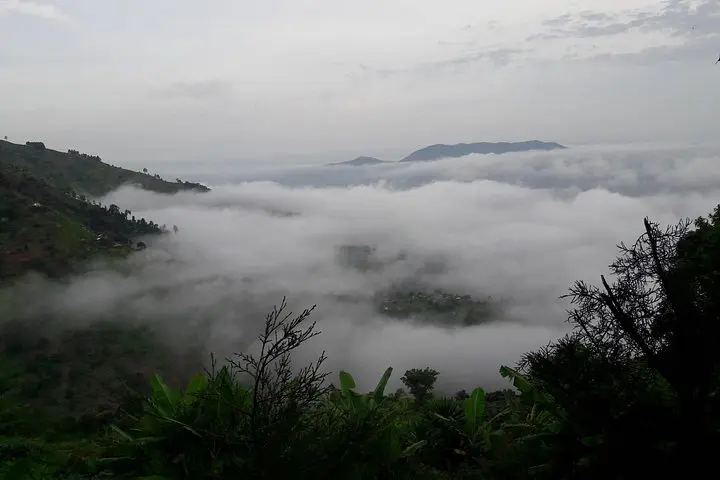
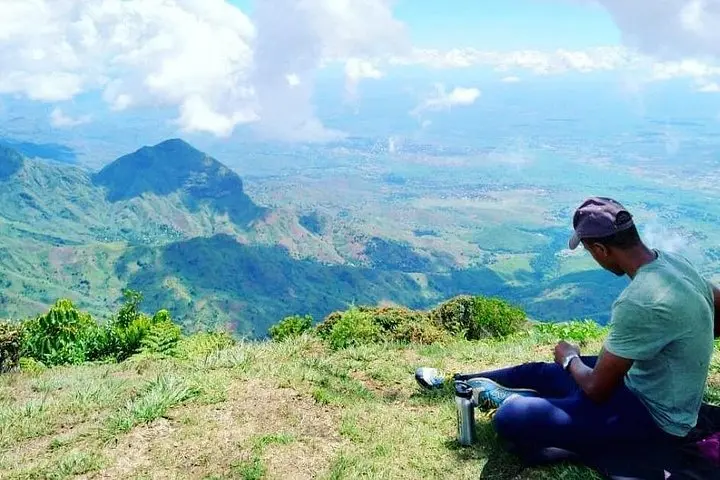
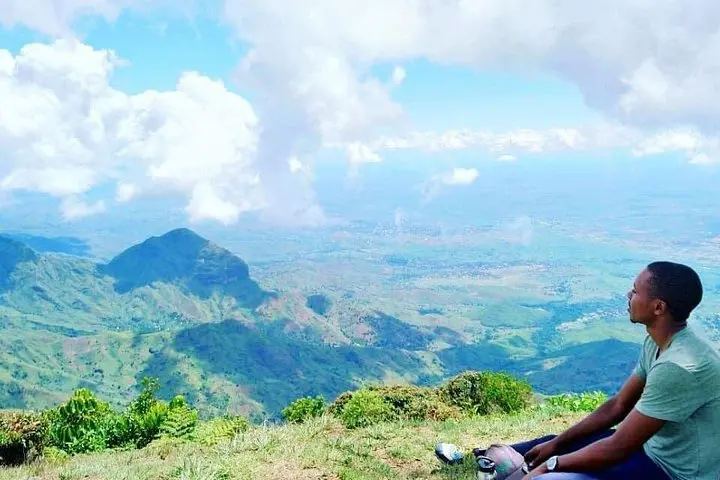
Wet canopy, mud that sings under your boots and a view that opens like a held breath—this is a day on Bondwa Peak. The trail climbs out of the lowland forest near Morogoro through layered vegetation: tall mahogany and fig give way to montane scrub and stunted trees as you push toward the summit. Streams cut shallow gullies that dare you to pick your footing; birds call from the understory and, if you’re lucky, a black-and-white colobus will watch you pass from a high limb.
Wet canopy, mud that sings under your boots and a view that opens like a held breath—this is a day on Bondwa Peak. The trail climbs out of the lowland forest near Morogoro through layered vegetation: tall mahogany and fig give way to montane scrub and stunted trees as you push toward the summit. Streams cut shallow gullies that dare you to pick your footing; birds call from the understory and, if you’re lucky, a black-and-white colobus will watch you pass from a high limb.
Bondwa sits at the edge of Morogoro’s uplands, part of the eastern arc of Tanzania’s mountains shaped by ancient uplift and erosion. Local Luguru communities have long used these slopes for seasonal grazing and smallholder coffee plots; the route passes remnants of older trails used for trade and forest management. Geologically the ground is a mix of volcanic-derived soils and eroded metamorphic outcrops that create sudden changes in footing and drainage.
Expect a strenuous single-day route: plan for roughly 12–15 km round-trip with 800–1,100 m of elevation gain over 7–8 hours on muddy, rooty terrain. Start early to avoid the mid-afternoon rains, hire a local guide for navigation and wildlife spotting, and carry at least 2 liters of water plus high-energy snacks. Footwear with good traction and a lightweight rain shell are non-negotiable here. Leave no trace: the forest is fragile and recovering from past clearing, so pack out all waste and follow trail etiquette to protect habitat and wildlife for future hikers.