
Bonsu Arboretum Canopy Walk, Cocoa Research & Aburi Gardens — Day Tour from Accra
A single-day loop from Accra that combines a treetop canopy walk at Bonsu Arboretum, a hands-on visit to Ghana’s Cocoa Research Institute, and the cool plant collections of Aburi Gardens. Good for travelers who want nature, culture, and cocoa science in one accessible day trip.
An Adventure In Accra.
A single-day loop from Accra that combines a treetop canopy walk at Bonsu Arboretum, a hands-on visit to Ghana’s Cocoa Research Institute, and the cool plant collections of Aburi Gardens. Good for travelers who want nature, culture, and cocoa science in one accessible day trip.
Read the full experience
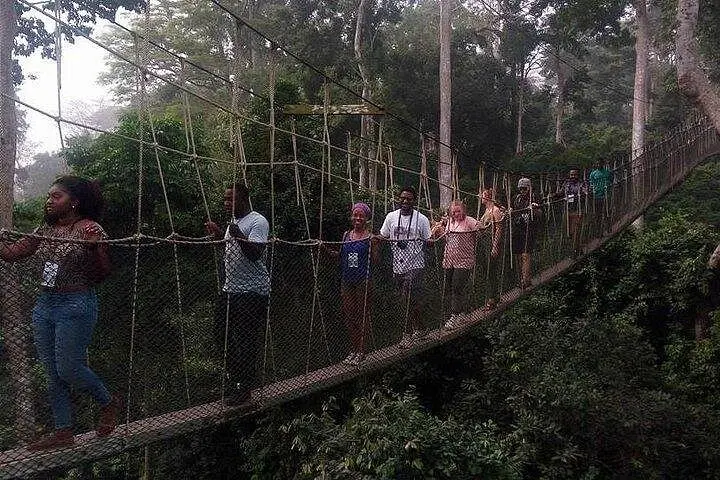
Morning light on the Akuapem hills throws long shadows across tall mahoganies as the tour bus eases out of Accra; leaves whisper above and the canopy walkway waits like a narrow bridge between sky and forest. At Bonsu Arboretum, the second canopy walkway in Ghana offers a close-up conversation with the treetops — trunks lean in, vines reach out, and the air smells of damp earth and green resin.
Morning light on the Akuapem hills throws long shadows across tall mahoganies as the tour bus eases out of Accra; leaves whisper above and the canopy walkway waits like a narrow bridge between sky and forest. At Bonsu Arboretum, the second canopy walkway in Ghana offers a close-up conversation with the treetops — trunks lean in, vines reach out, and the air smells of damp earth and green resin.
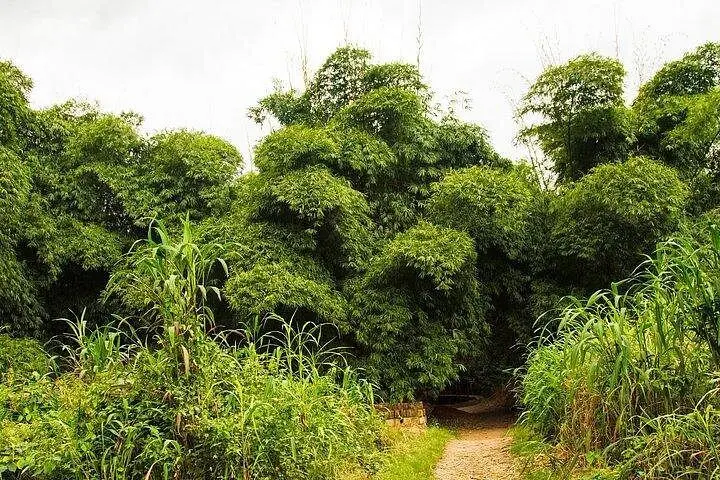
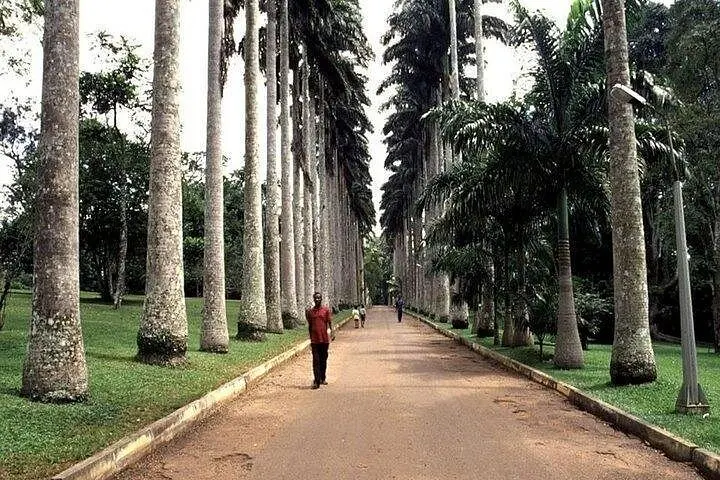
The route threads three distinct stories: the arboretum’s living laboratory of native and introduced trees, the Cocoa Research Institute of Ghana’s decades of plant breeding and post-harvest science that helped make cocoa a national export, and Aburi Botanical Gardens’ cooler hilltop collections with specimens planted during the colonial era and by visiting dignitaries.
Geologically, the Akuapem Ridge lifts visitors above Accra’s coastal plain, giving sweeping outlooks and a noticeably cooler microclimate. Culturally, stops include the nearby beads market where local craft and trade remain lively; the tour ties natural history to livelihoods shaped by cocoa and timber.
Practical notes: this is a day tour best started early to avoid midday heat and traffic. Wear sturdy, closed-toe shoes for uneven forest decking, bring drinking water and insect repellent, and carry small local currency for the market and souvenirs. Expect moderate walking—boardwalks and steps rather than steep scrambles—and stepladders on the canopy. The itinerary suits curious travelers who want a mix of light adventure, botany, and hands-on cocoa education in a single day out of Accra.
Frequently asked questions
This tour lists admissions as included for the arboretum canopy, Cocoa Research Institute, and Aburi Gardens—confirm at booking for any recent policy changes.
Yes — the Cocoa Research Institute typically offers cocoa products at subsidized prices and there are local markets where you can purchase beans and related goods.
The walkway is secured with railings and decking; however, it is elevated and exposed — those sensitive to heights should assess comfort before crossing.
Yes — garden and institute facilities usually have restrooms; light snacks are provided on this tour and there are places to buy refreshments at the sites and nearby markets.
About This Experience
Pridor Plus Tours operates guided outdoor trips and adventures with an emphasis on safety, stewardship, and memorable experiences.
Adventure tips
Recommended gear
- Sturdy hiking or trail shoes: Provide traction on canopy decking, garden paths, and uneven surfaces.
- Reusable water bottle (1–1.5L): Staying hydrated is important in Ghana’s tropical climate during a full day out.
- Light rain jacket or packable poncho: Afternoon showers are common during rainy seasons—packable protection keeps you dry.
- Insect repellent and sunscreen: Protects against mosquitoes in shaded forest areas and UV exposure on hilltop gardens.
Photos of the experience

Related adventures & guides
Read the full experience
Morning light on the Akuapem hills throws long shadows across tall mahoganies as the tour bus eases out of Accra; leaves whisper above and the canopy walkway waits like a narrow bridge between sky and forest. At Bonsu Arboretum, the second canopy walkway in Ghana offers a close-up conversation with the treetops — trunks lean in, vines reach out, and the air smells of damp earth and green resin.
Morning light on the Akuapem hills throws long shadows across tall mahoganies as the tour bus eases out of Accra; leaves whisper above and the canopy walkway waits like a narrow bridge between sky and forest. At Bonsu Arboretum, the second canopy walkway in Ghana offers a close-up conversation with the treetops — trunks lean in, vines reach out, and the air smells of damp earth and green resin.
The route threads three distinct stories: the arboretum’s living laboratory of native and introduced trees, the Cocoa Research Institute of Ghana’s decades of plant breeding and post-harvest science that helped make cocoa a national export, and Aburi Botanical Gardens’ cooler hilltop collections with specimens planted during the colonial era and by visiting dignitaries.
Geologically, the Akuapem Ridge lifts visitors above Accra’s coastal plain, giving sweeping outlooks and a noticeably cooler microclimate. Culturally, stops include the nearby beads market where local craft and trade remain lively; the tour ties natural history to livelihoods shaped by cocoa and timber.
Practical notes: this is a day tour best started early to avoid midday heat and traffic. Wear sturdy, closed-toe shoes for uneven forest decking, bring drinking water and insect repellent, and carry small local currency for the market and souvenirs. Expect moderate walking—boardwalks and steps rather than steep scrambles—and stepladders on the canopy. The itinerary suits curious travelers who want a mix of light adventure, botany, and hands-on cocoa education in a single day out of Accra.
Make a day of it nearby.
Verified experiences and guided adventures in the surrounding area.