THE ADVENTURE COLLECTIVE® · Independent discovery and booking for outdoor travel

Glide through Bora Bora’s protective lagoon with experienced guides to snorkel over coral bommies, watch manta and leopard rays, and — in season — listen for humpback song. Practical, small-group snorkeling focused on marine encounters and reef conservation.
Glide through Bora Bora’s protective lagoon with experienced guides to snorkel over coral bommies, watch manta and leopard rays, and — in season — listen for humpback song. Practical, small-group snorkeling focused on marine encounters and reef conservation.
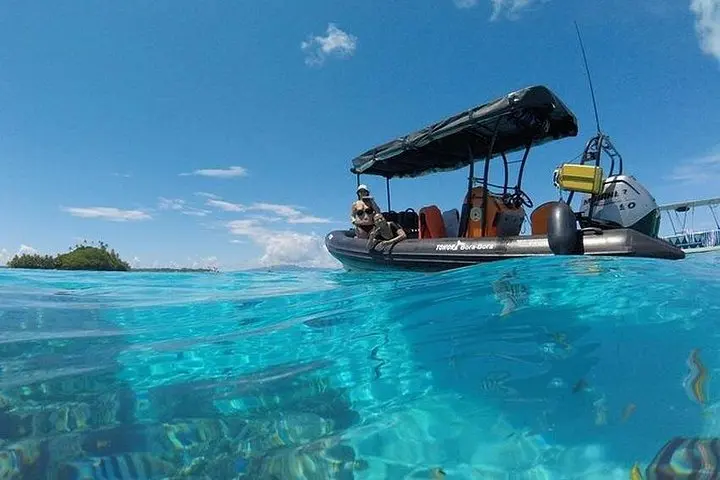
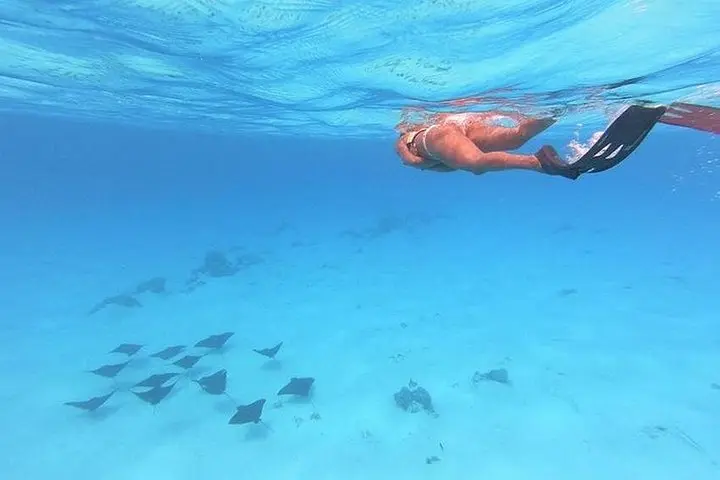
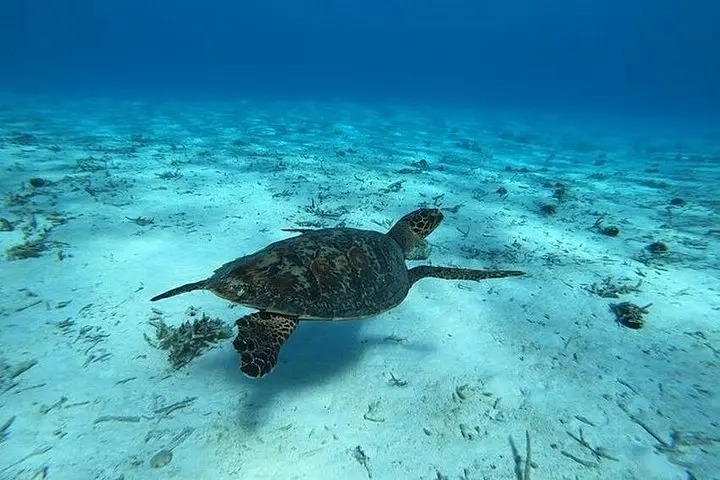
The boat slips away from Vaitape as the lagoon opens — a shallow, glassy bowl of aquamarine ringed by the island’s reef. Guides brief the small group, masks are checked, and the captain eases into quieter water where coral gardens slope away and rays patrol the sand. In this part of the South Pacific the sea feels alive: manta rays glide with deliberate grace, leopard rays kick up ribbons of sand, and schools of reef fish choreograph around bommies.
Verified experiences and guided adventures in the surrounding area.
Operated by Tohora Bora Bora · Vaitape, Leeward Islands
The boat slips away from Vaitape as the lagoon opens — a shallow, glassy bowl of aquamarine ringed by the island’s reef. Guides brief the small group, masks are checked, and the captain eases into quieter water where coral gardens slope away and rays patrol the sand. In this part of the South Pacific the sea feels alive: manta rays glide with deliberate grace, leopard rays kick up ribbons of sand, and schools of reef fish choreograph around bommies.
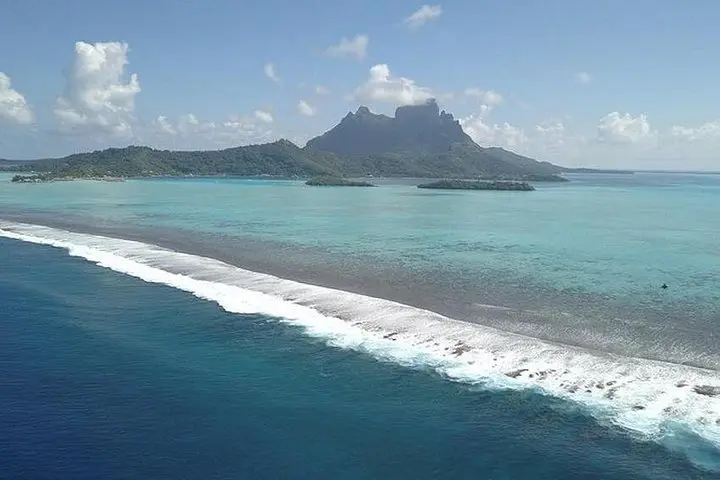
Bora Bora’s lagoon is the result of volcanic uplift and coral accretion: a volcanic core framed by concentric reef that creates sheltered channels and dropoffs. Polynesian voyagers have navigated these waters for centuries; today local guides blend practical seamanship with cultural knowledge, often pointing out historic marae sites and traditional fishing areas from the boat.
Expect a 3.5-hour afternoon tour that focuses on reef snorkeling and wildlife viewing — whale-song excursions are possible in the southern winter months. Water temperatures generally sit in the high 20s °C (upper 70s–mid 80s °F); visibility is usually excellent but can drop after tropical rain.
Practical edge: use reef-safe sunscreen, wear a thin wetsuit or rash guard for long exposure, and practice mask-clearing and controlled breathing before entry. If prone to seasickness, take precautions before boarding. Guides supply basic snorkeling gear on request; bring your own fins if you prefer fit and efficiency. The tour is ideal for swimmers with moderate fitness and anyone eager to encounter large rays and coral gardens in protected lagoon waters.
No formal certification is required, but participants should be confident swimmers and comfortable with basic snorkeling techniques.
The tour offers snorkeling equipment upon request; many guests prefer to bring their own fins or mask for fit and comfort.
Manta ray sightings are common year-round in lagoon cleaning stations; humpback whales are most often encountered during the Southern Hemisphere winter (roughly July–October).
Infants are allowed but must sit on an adult’s lap; check operator age limits and lifejacket availability before booking.
Tohora Bora Bora operates guided outdoor trips and adventures with an emphasis on safety, stewardship, and memorable experiences.
The boat slips away from Vaitape as the lagoon opens — a shallow, glassy bowl of aquamarine ringed by the island’s reef. Guides brief the small group, masks are checked, and the captain eases into quieter water where coral gardens slope away and rays patrol the sand. In this part of the South Pacific the sea feels alive: manta rays glide with deliberate grace, leopard rays kick up ribbons of sand, and schools of reef fish choreograph around bommies.
The boat slips away from Vaitape as the lagoon opens — a shallow, glassy bowl of aquamarine ringed by the island’s reef. Guides brief the small group, masks are checked, and the captain eases into quieter water where coral gardens slope away and rays patrol the sand. In this part of the South Pacific the sea feels alive: manta rays glide with deliberate grace, leopard rays kick up ribbons of sand, and schools of reef fish choreograph around bommies.
Bora Bora’s lagoon is the result of volcanic uplift and coral accretion: a volcanic core framed by concentric reef that creates sheltered channels and dropoffs. Polynesian voyagers have navigated these waters for centuries; today local guides blend practical seamanship with cultural knowledge, often pointing out historic marae sites and traditional fishing areas from the boat.
Expect a 3.5-hour afternoon tour that focuses on reef snorkeling and wildlife viewing — whale-song excursions are possible in the southern winter months. Water temperatures generally sit in the high 20s °C (upper 70s–mid 80s °F); visibility is usually excellent but can drop after tropical rain.
Practical edge: use reef-safe sunscreen, wear a thin wetsuit or rash guard for long exposure, and practice mask-clearing and controlled breathing before entry. If prone to seasickness, take precautions before boarding. Guides supply basic snorkeling gear on request; bring your own fins if you prefer fit and efficiency. The tour is ideal for swimmers with moderate fitness and anyone eager to encounter large rays and coral gardens in protected lagoon waters.