THE ADVENTURE COLLECTIVE® · Independent discovery and booking for outdoor travel

Spend a private half-day aboard a luxury Four Winns exploring Bora Bora’s lagoon—stop at 3–4 snorkeling sites to float above coral gardens, eagle rays and the occasional manta. Small groups, resort pickup, and all snorkel gear included make this a high-comfort marine outing.
Spend a private half-day aboard a luxury Four Winns exploring Bora Bora’s lagoon—stop at 3–4 snorkeling sites to float above coral gardens, eagle rays and the occasional manta. Small groups, resort pickup, and all snorkel gear included make this a high-comfort marine outing.
You step off the dock into warm, sugar-blue water and the boat settles into the lagoon’s gentle rocking. The captain cuts the engine and the surface calms; sunlight threads through the water and the reef seems to breathe beneath you. Over the next 3.5 hours the crew guides a private group to three or four distinct sites—shallow coral gardens, sandy flats where eagle rays glide, and deeper channels that sometimes attract manta rays.
Verified experiences and guided adventures in the surrounding area.
Operated by H2O BORA BORA · Vaitape, Bora Bora
You step off the dock into warm, sugar-blue water and the boat settles into the lagoon’s gentle rocking. The captain cuts the engine and the surface calms; sunlight threads through the water and the reef seems to breathe beneath you. Over the next 3.5 hours the crew guides a private group to three or four distinct sites—shallow coral gardens, sandy flats where eagle rays glide, and deeper channels that sometimes attract manta rays.
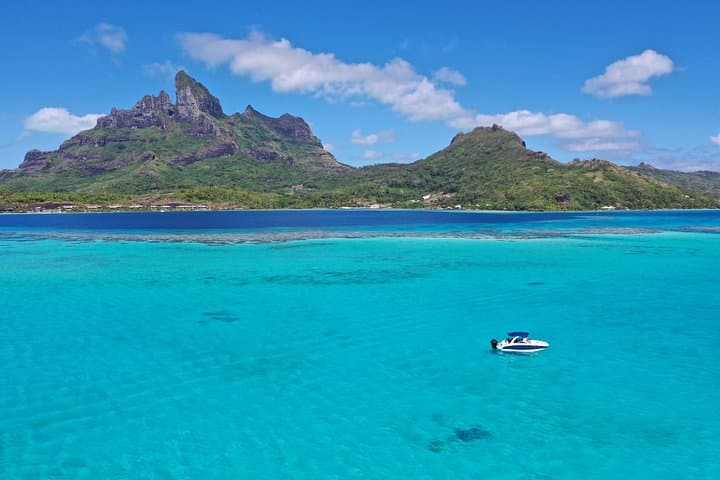
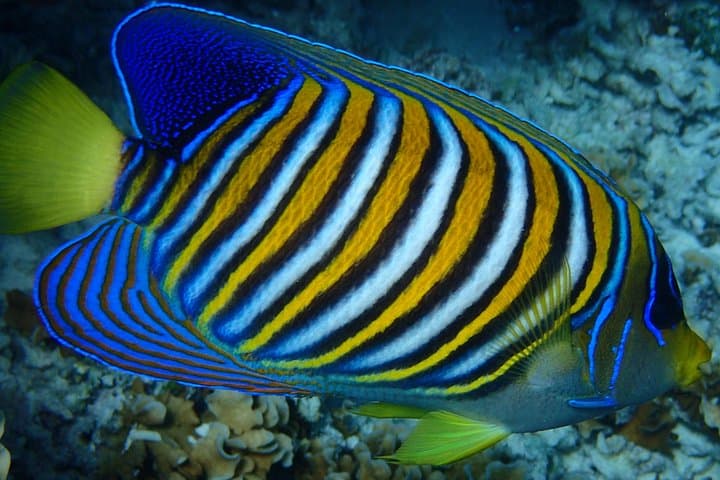
Bora Bora’s lagoon is a caldera remnant framed by the island’s volcanic peaks. Polynesian voyagers first used these lagoons for shelter and fishing centuries ago; European contact and 20th-century tourism later reshaped the shorelines and motu. The reef structures you’ll see are living limestone growths formed on older lava flows and populated by parrotfish, morays and triggerfish that define the lagoon’s ecology.
Local guides often share cultural notes—pearl farming and small motu communities—and point out places where WWII-era activity altered parts of the shoreline. Respect for the reef is emphasized: don’t touch coral, avoid standing on bommies and use reef-safe sunscreen.
Practicalities: tours run about 3.5 hours, pick‑up and drop‑off at most resorts are included, maximum six guests. Snorkel gear, towels, water and a light snack are supplied. Be able to enter and exit the water via a long ladder and have moderate fitness for repeated swims and short boat transfers. Morning departures usually mean calmer water and better visibility. Bring a waterproof camera, reef‑safe sun protection and a lightweight cover-up for the ride back.
Yes—masks, snorkels and fins are supplied for each guest, along with towels.
The tour lasts about 3.5 hours and visits three or four snorkeling sites depending on conditions and sightings.
Participants must be able to enter and exit the water using a ladder and swim comfortably; non-swimmers are not recommended without prior arrangements or flotation aids.
Full refunds are available if you cancel at least 24 hours before departure; bad weather may also trigger cancellation.
H2O BORA BORA operates guided outdoor trips and adventures with an emphasis on safety, stewardship, and memorable experiences.
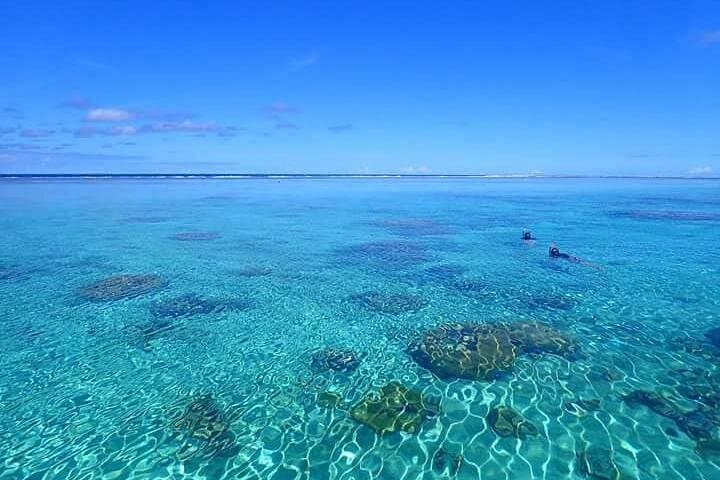
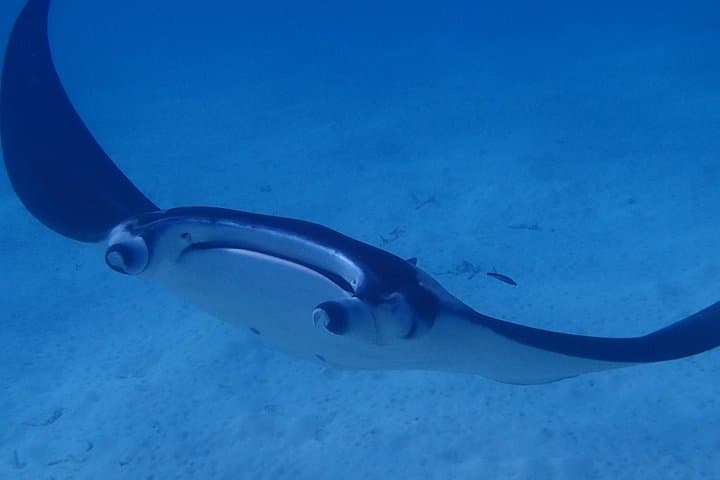
You step off the dock into warm, sugar-blue water and the boat settles into the lagoon’s gentle rocking. The captain cuts the engine and the surface calms; sunlight threads through the water and the reef seems to breathe beneath you. Over the next 3.5 hours the crew guides a private group to three or four distinct sites—shallow coral gardens, sandy flats where eagle rays glide, and deeper channels that sometimes attract manta rays.
You step off the dock into warm, sugar-blue water and the boat settles into the lagoon’s gentle rocking. The captain cuts the engine and the surface calms; sunlight threads through the water and the reef seems to breathe beneath you. Over the next 3.5 hours the crew guides a private group to three or four distinct sites—shallow coral gardens, sandy flats where eagle rays glide, and deeper channels that sometimes attract manta rays.
Bora Bora’s lagoon is a caldera remnant framed by the island’s volcanic peaks. Polynesian voyagers first used these lagoons for shelter and fishing centuries ago; European contact and 20th-century tourism later reshaped the shorelines and motu. The reef structures you’ll see are living limestone growths formed on older lava flows and populated by parrotfish, morays and triggerfish that define the lagoon’s ecology.
Local guides often share cultural notes—pearl farming and small motu communities—and point out places where WWII-era activity altered parts of the shoreline. Respect for the reef is emphasized: don’t touch coral, avoid standing on bommies and use reef-safe sunscreen.
Practicalities: tours run about 3.5 hours, pick‑up and drop‑off at most resorts are included, maximum six guests. Snorkel gear, towels, water and a light snack are supplied. Be able to enter and exit the water via a long ladder and have moderate fitness for repeated swims and short boat transfers. Morning departures usually mean calmer water and better visibility. Bring a waterproof camera, reef‑safe sun protection and a lightweight cover-up for the ride back.