THE ADVENTURE COLLECTIVE® · Independent discovery and booking for outdoor travel

Taste four of Bordeaux’s sweetest specialties on a focused two‑hour walking tour through the city’s historic core. Stops at independent patisseries pair local history and techniques with small, memorable bites.
Taste four of Bordeaux’s sweetest specialties on a focused two‑hour walking tour through the city’s historic core. Stops at independent patisseries pair local history and techniques with small, memorable bites.
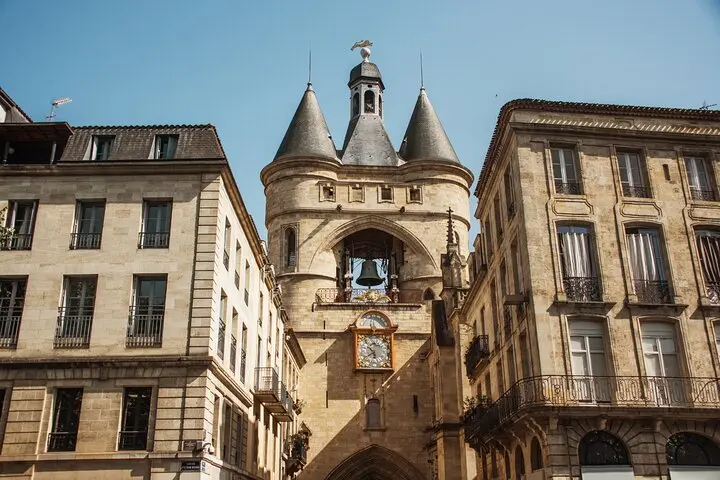
A cool morning on the Cours Victor Hugo opens the tour: the Grosse Cloche arches above, shop windows fogging with sugar and butter, bakers arranging their cases. The guide leads the small group through narrow medieval streets, where façades show layers of Bordeaux history and the air carries a hint of caramel and toasted vanilla.
Verified experiences and guided adventures in the surrounding area.
Operated by Vert Bordeaux · Bordeaux, Nouvelle-Aquitaine
A cool morning on the Cours Victor Hugo opens the tour: the Grosse Cloche arches above, shop windows fogging with sugar and butter, bakers arranging their cases. The guide leads the small group through narrow medieval streets, where façades show layers of Bordeaux history and the air carries a hint of caramel and toasted vanilla.
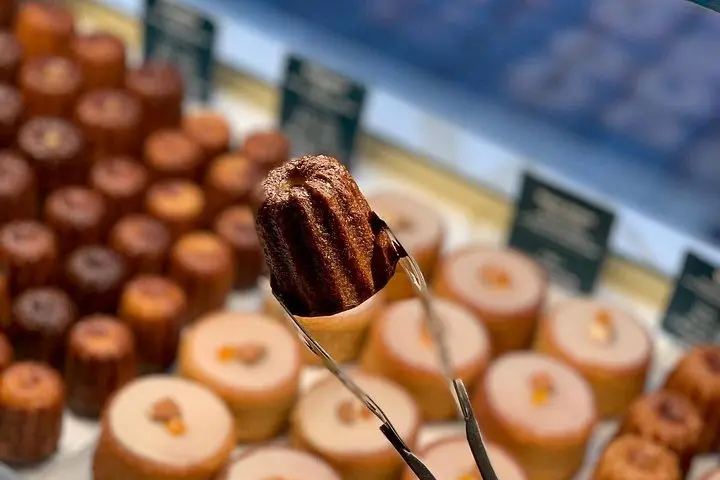
Bordeaux grew rich as a port on the Garonne, its streets shaped by medieval trade and 18th‑century stonework. Geology matters here too — the local flour and dairy reflect the region’s clay and limestone soils that support nearby vineyards and pastures. The sweets you sample — from the deep, caramelized crust of a canelé to praline or regional nougat — tell a culinary story tied to trade, convent recipes and local produce.
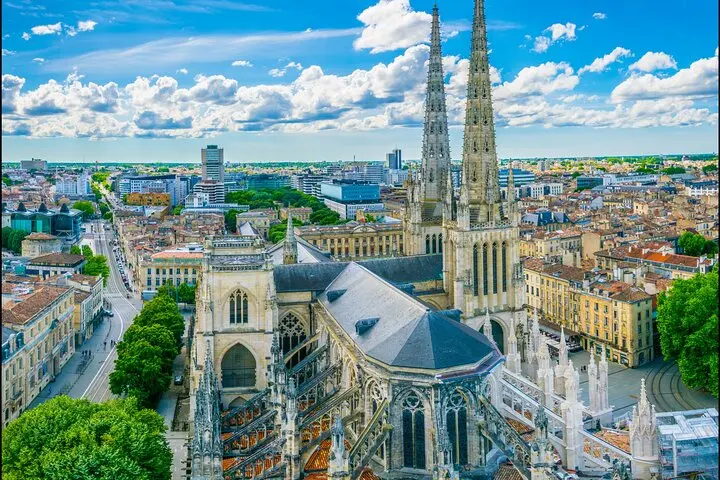
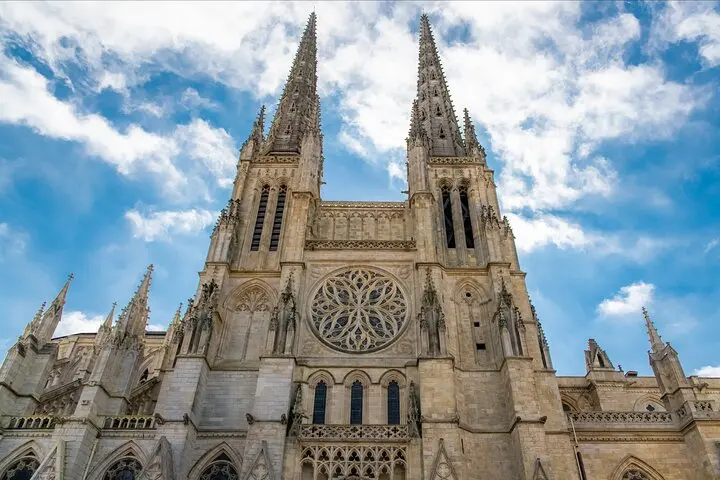
You’ll stop at four independent artisans, each offering a distinct specialty while the guide points out the Saint‑André cathedral, the Monument aux Girondins and the Grand Théâtre. Conversation skims from technique to provenance: who makes their shells with beeswax molds, who sources milk from the Médoc.
Practical guidance: the route is an easy two‑hour walk over cobblestones; wear sturdy shoes and bring a small bottle of water. If you have food allergies, notify the guide before the tour starts. Expect small portions at each stop — the point is quality and variety rather than a heavy meal. The walk finishes at the Grand Théâtre, leaving time to explore nearby markets or cross the river to the quays for a wider view of Bordeaux’s architectural rhythm.
The tour includes four sweet specialties sampled at independent vendors distributed across the two‑hour route.
Yes; the operator notes stroller access, though cobbles can be bumpy—a sturdy stroller or carrier is recommended.
Yes—spaces are limited to about a dozen people and the tour is guided, so booking ahead secures your spot and lets vendors prepare portions.
Some sections of the route and a few historic shop entrances may be challenging; contact the operator to discuss specific accessibility needs before booking.
Vert Bordeaux operates guided outdoor trips and adventures with an emphasis on safety, stewardship, and memorable experiences.
A cool morning on the Cours Victor Hugo opens the tour: the Grosse Cloche arches above, shop windows fogging with sugar and butter, bakers arranging their cases. The guide leads the small group through narrow medieval streets, where façades show layers of Bordeaux history and the air carries a hint of caramel and toasted vanilla.
A cool morning on the Cours Victor Hugo opens the tour: the Grosse Cloche arches above, shop windows fogging with sugar and butter, bakers arranging their cases. The guide leads the small group through narrow medieval streets, where façades show layers of Bordeaux history and the air carries a hint of caramel and toasted vanilla.
Bordeaux grew rich as a port on the Garonne, its streets shaped by medieval trade and 18th‑century stonework. Geology matters here too — the local flour and dairy reflect the region’s clay and limestone soils that support nearby vineyards and pastures. The sweets you sample — from the deep, caramelized crust of a canelé to praline or regional nougat — tell a culinary story tied to trade, convent recipes and local produce.
You’ll stop at four independent artisans, each offering a distinct specialty while the guide points out the Saint‑André cathedral, the Monument aux Girondins and the Grand Théâtre. Conversation skims from technique to provenance: who makes their shells with beeswax molds, who sources milk from the Médoc.
Practical guidance: the route is an easy two‑hour walk over cobblestones; wear sturdy shoes and bring a small bottle of water. If you have food allergies, notify the guide before the tour starts. Expect small portions at each stop — the point is quality and variety rather than a heavy meal. The walk finishes at the Grand Théâtre, leaving time to explore nearby markets or cross the river to the quays for a wider view of Bordeaux’s architectural rhythm.