THE ADVENTURE COLLECTIVE® · Independent discovery and booking for outdoor travel

Move through Bordeaux’s UNESCO core on a focused 90‑minute walking tour that highlights Place de la Bourse, the Grosse Cloche and Cathédrale Saint‑André. Small groups and a local guide bring the city’s Roman-to-revolutionary history alive while navigating cobblestones and riverfront views.
Move through Bordeaux’s UNESCO core on a focused 90‑minute walking tour that highlights Place de la Bourse, the Grosse Cloche and Cathédrale Saint‑André. Small groups and a local guide bring the city’s Roman-to-revolutionary history alive while navigating cobblestones and riverfront views.
You step out onto the quay and the air carries the low hum of the Garonne; the Fountain of the Three Graces glints as your guide begins the story. For the next 90 minutes the city opens like a map: broad 18th‑century squares give way to narrow medieval lanes, and each façade seems to hold a chapter of Bordeaux’s trading, political and ecclesiastical past.
Verified experiences and guided adventures in the surrounding area.
Operated by Cognosimo · Bordeaux, Nouvelle-Aquitaine
You step out onto the quay and the air carries the low hum of the Garonne; the Fountain of the Three Graces glints as your guide begins the story. For the next 90 minutes the city opens like a map: broad 18th‑century squares give way to narrow medieval lanes, and each façade seems to hold a chapter of Bordeaux’s trading, political and ecclesiastical past.
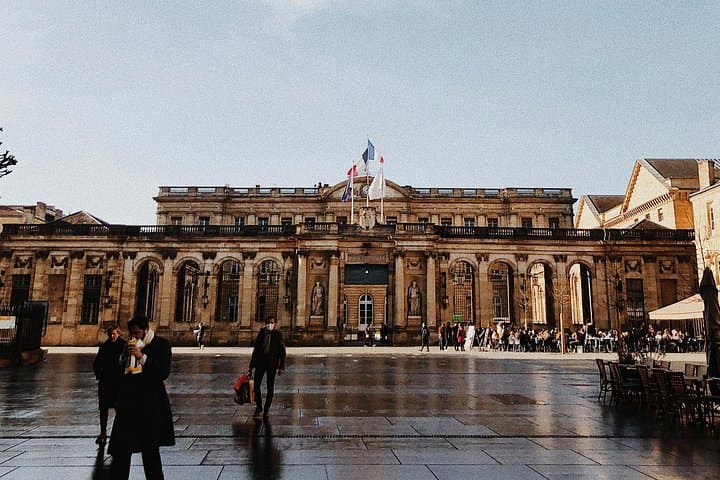
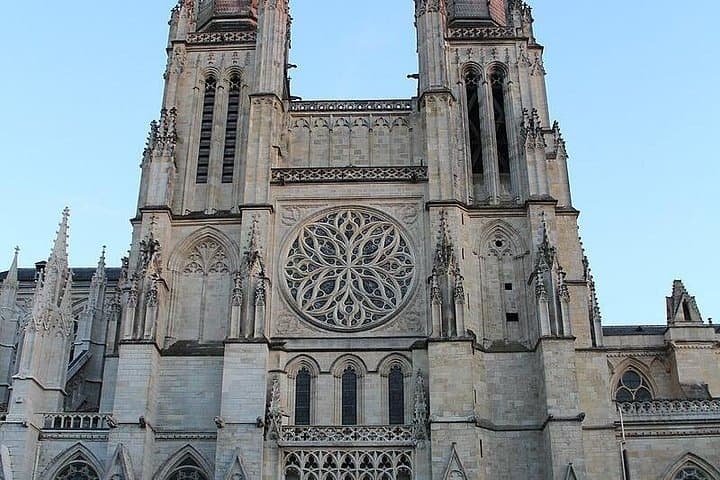
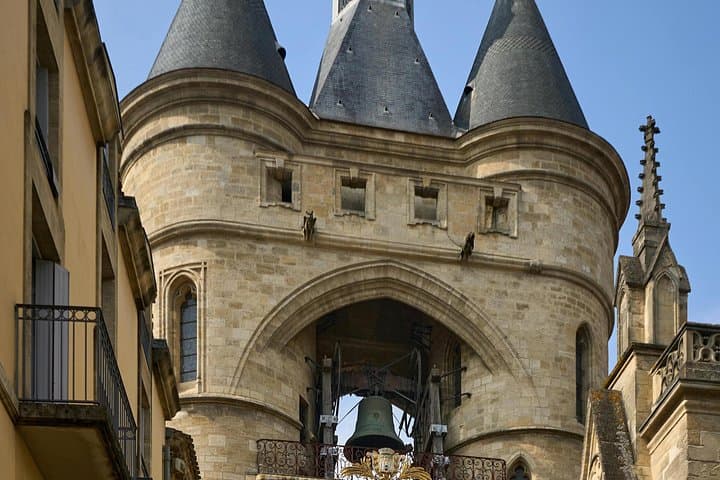
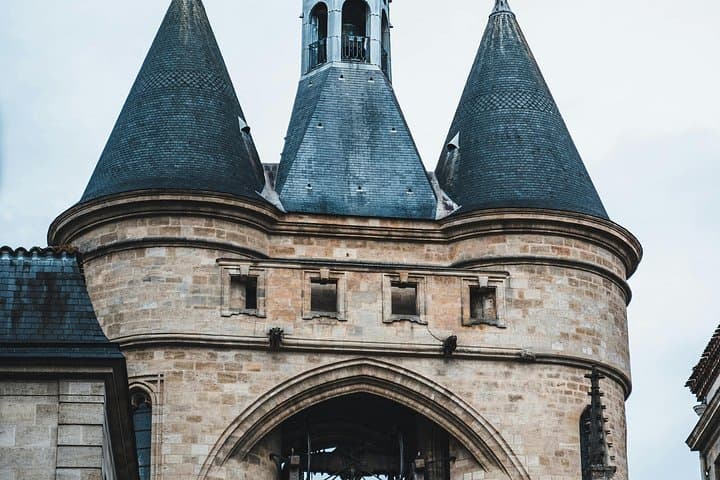
The tour threads Place de la Bourse, the Grand Théâtre and Rue Sainte‑Catherine, pausing at the Grosse Cloche and the gothic bulk of Cathédrale Saint‑André and its Pey‑Berland tower. Expect explanations of Roman beginnings, Bordeaux’s rise as a port city, and the revolutionary history tied to the Monument aux Girondins. The UNESCO‑listed core is visible in carved stone, wine merchant houses and the rhythm of streets that once served longshoremen and merchants.
Practical details matter: the route is urban and largely flat but includes cobbles and occasional steps at historic sites, so wear sturdy shoes and bring a light layer for wind off the river. Tours begin at the Fountain of the Three Graces—arrive 10 minutes early—and run in small groups for conversational pace and questions. Morning or late afternoon slots avoid the strongest sun and provide softer light for photos.
This walk is a compact primer on Bordeaux—half local history lesson, half architectural inventory—with enough texture to plan follow‑ups: wine bars, river promenades, and quieter side streets that reward a slower return on foot.
The guide meets at the Fountain of the Three Graces on the river quay; the route finishes near the central shopping streets, close to the tour start.
Infants and small children can use strollers, but expect cobblestone sections where folding a stroller briefly may be easier.
This guided walk focuses on exterior and historical interpretation; admission fees for tower access are typically not included.
Yes—Bordeaux’s tram and bus network serve the city center; allow extra time during peak hours to reach the quay.
Cognosimo operates guided outdoor trips and adventures with an emphasis on safety, stewardship, and memorable experiences.
You step out onto the quay and the air carries the low hum of the Garonne; the Fountain of the Three Graces glints as your guide begins the story. For the next 90 minutes the city opens like a map: broad 18th‑century squares give way to narrow medieval lanes, and each façade seems to hold a chapter of Bordeaux’s trading, political and ecclesiastical past.
You step out onto the quay and the air carries the low hum of the Garonne; the Fountain of the Three Graces glints as your guide begins the story. For the next 90 minutes the city opens like a map: broad 18th‑century squares give way to narrow medieval lanes, and each façade seems to hold a chapter of Bordeaux’s trading, political and ecclesiastical past.
The tour threads Place de la Bourse, the Grand Théâtre and Rue Sainte‑Catherine, pausing at the Grosse Cloche and the gothic bulk of Cathédrale Saint‑André and its Pey‑Berland tower. Expect explanations of Roman beginnings, Bordeaux’s rise as a port city, and the revolutionary history tied to the Monument aux Girondins. The UNESCO‑listed core is visible in carved stone, wine merchant houses and the rhythm of streets that once served longshoremen and merchants.
Practical details matter: the route is urban and largely flat but includes cobbles and occasional steps at historic sites, so wear sturdy shoes and bring a light layer for wind off the river. Tours begin at the Fountain of the Three Graces—arrive 10 minutes early—and run in small groups for conversational pace and questions. Morning or late afternoon slots avoid the strongest sun and provide softer light for photos.
This walk is a compact primer on Bordeaux—half local history lesson, half architectural inventory—with enough texture to plan follow‑ups: wine bars, river promenades, and quieter side streets that reward a slower return on foot.