THE ADVENTURE COLLECTIVE® · Independent discovery and booking for outdoor travel

Swap Tbilisi traffic for mountain air on this full-day tour to Borjomi and Bakuriani. Taste the famous mineral water, take a forested walk in Borjomi Central Park, then spend 2.5–4 hours on Bakuriani’s family-friendly ski slopes.
Swap Tbilisi traffic for mountain air on this full-day tour to Borjomi and Bakuriani. Taste the famous mineral water, take a forested walk in Borjomi Central Park, then spend 2.5–4 hours on Bakuriani’s family-friendly ski slopes.
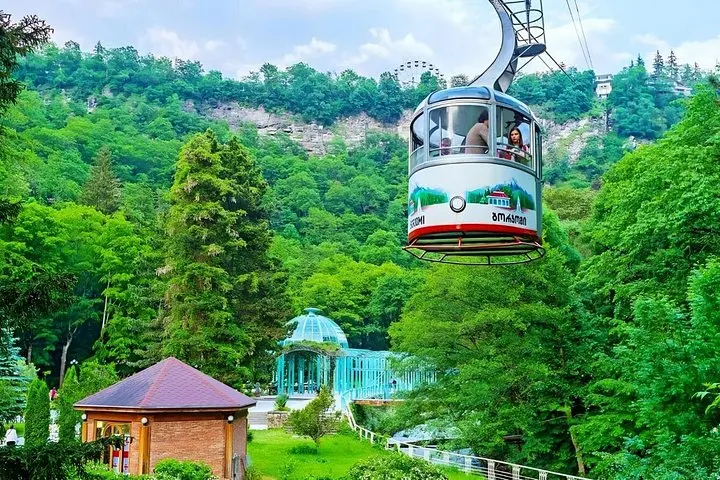
A thin winter light slices across the Trialeti Range as the minibus winds out of Tbilisi—steam from occupants’ breath meeting the cold. By midmorning the valley opens: spruce-dark slopes, the Borjomi River picking its way through rock, and the park’s historic spring house where people line up to sip the salty mineral water that has drawn visitors for two centuries.
Verified experiences and guided adventures in the surrounding area.
Operated by Rustaveli Agency · Borjomi, Samtskhe-Javakheti
A thin winter light slices across the Trialeti Range as the minibus winds out of Tbilisi—steam from occupants’ breath meeting the cold. By midmorning the valley opens: spruce-dark slopes, the Borjomi River picking its way through rock, and the park’s historic spring house where people line up to sip the salty mineral water that has drawn visitors for two centuries.
Borjomi grew under imperial Russia as a health resort; its spring sits where deep aquifers meet volcanic and sedimentary layers, giving the water a distinctive mineral bite. A short transfer brings travelers up to Bakuriani on the northern slopes, a ski town that expanded in the Soviet era and now balances family runs with steeper sectors like Didveli and Kokhta. The landscape is honest—conifer forests that hold snow late, open bowls that catch wind, and simple mountain eateries serving khachapuri and warm broth.
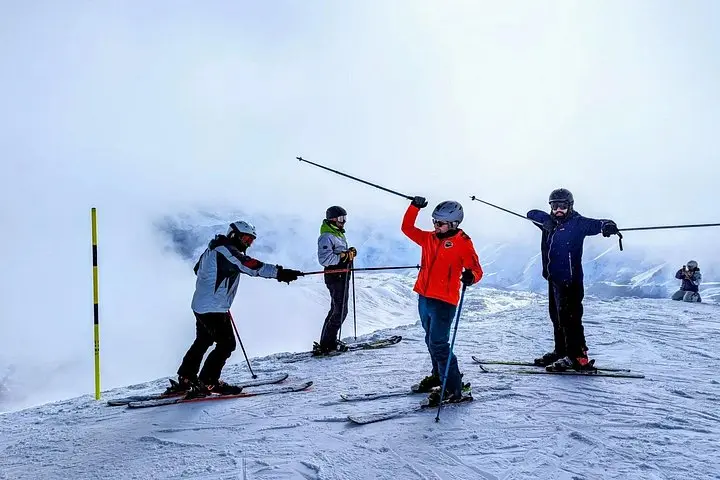
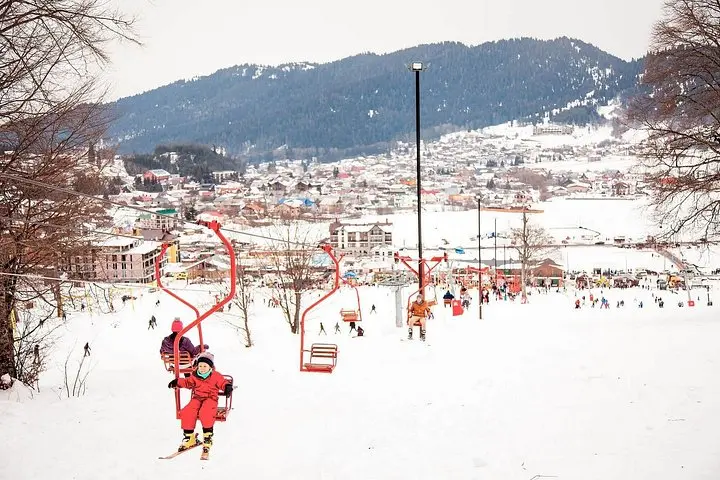
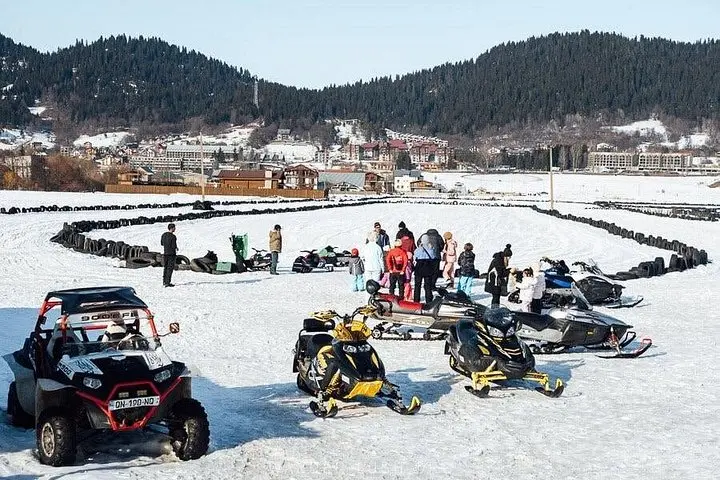
Expect a mixed day: a relaxed walk among century-old pines and a concentrated 2.5–4 hour window at the resort for skiing, snowboarding, or sledding. For non-skiers, the ski lifts and ridge viewpoints offer quick panoramas of the valley and the chance to watch local riders navigate machine-groomed runs.
Practical notes: dress in waterproof layers, allow extra time for mountain roads in winter, and plan for rental gear if you’re not bringing skis. Carry cash for small restaurants and tipping drivers. With basic preparation this day trip pairs easy cultural discovery with accessible winter-sport time—an efficient way to trade city streets for mountain air.
Expect roughly 1.5–2 hours to Borjomi and another 30–60 minutes up to Bakuriani depending on road and weather conditions.
The tour typically provides transfer time only; ski lessons and equipment rentals are arranged and paid for locally unless specified otherwise by the operator.
Yes—Borjomi’s park is stroller-friendly and Bakuriani has gentle slopes and sledding options; parents should note infants may need to sit on laps during transfers per operator policy.
Peak snow usually runs from late December through February; snowmaking and higher-elevation zones can extend conditions into March on colder years.
Rustaveli Agency operates guided outdoor trips and adventures with an emphasis on safety, stewardship, and memorable experiences.
A thin winter light slices across the Trialeti Range as the minibus winds out of Tbilisi—steam from occupants’ breath meeting the cold. By midmorning the valley opens: spruce-dark slopes, the Borjomi River picking its way through rock, and the park’s historic spring house where people line up to sip the salty mineral water that has drawn visitors for two centuries.
A thin winter light slices across the Trialeti Range as the minibus winds out of Tbilisi—steam from occupants’ breath meeting the cold. By midmorning the valley opens: spruce-dark slopes, the Borjomi River picking its way through rock, and the park’s historic spring house where people line up to sip the salty mineral water that has drawn visitors for two centuries.
Borjomi grew under imperial Russia as a health resort; its spring sits where deep aquifers meet volcanic and sedimentary layers, giving the water a distinctive mineral bite. A short transfer brings travelers up to Bakuriani on the northern slopes, a ski town that expanded in the Soviet era and now balances family runs with steeper sectors like Didveli and Kokhta. The landscape is honest—conifer forests that hold snow late, open bowls that catch wind, and simple mountain eateries serving khachapuri and warm broth.
Expect a mixed day: a relaxed walk among century-old pines and a concentrated 2.5–4 hour window at the resort for skiing, snowboarding, or sledding. For non-skiers, the ski lifts and ridge viewpoints offer quick panoramas of the valley and the chance to watch local riders navigate machine-groomed runs.
Practical notes: dress in waterproof layers, allow extra time for mountain roads in winter, and plan for rental gear if you’re not bringing skis. Carry cash for small restaurants and tipping drivers. With basic preparation this day trip pairs easy cultural discovery with accessible winter-sport time—an efficient way to trade city streets for mountain air.