THE ADVENTURE COLLECTIVE® · Independent discovery and booking for outdoor travel

Spend a full day exploring Borobudur, Prambanan and Sewu with hotel pickup from Yogyakarta. This shared tour includes climb-up access, an English-speaking driver, and entry options—ideal for travelers who want an efficient, in-depth cultural visit.
Spend a full day exploring Borobudur, Prambanan and Sewu with hotel pickup from Yogyakarta. This shared tour includes climb-up access, an English-speaking driver, and entry options—ideal for travelers who want an efficient, in-depth cultural visit.
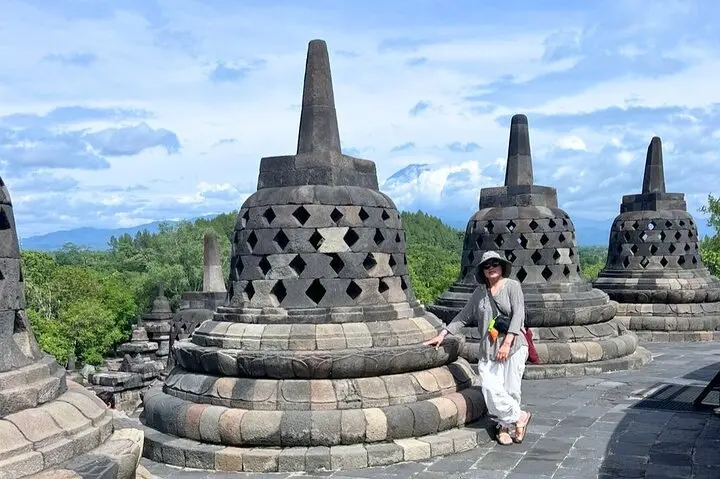
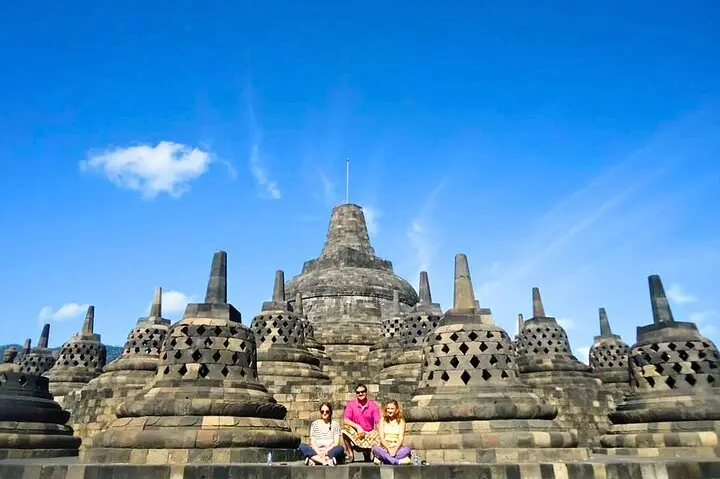
The morning light in central Java slices across low, volcanic ridgelines as the driver threads the road from Yogyakarta toward two of the island’s clearest markers of faith and craftsmanship. At Borobudur, stone terraces step upward like a carved mountain; pilgrims and visitors move through concentric relief galleries while the air carries a coolness that seems to press you forward. Later, the towering spires of Prambanan rise abruptly from flat rice plains, their shadowed bas‑reliefs inviting closer inspection.
Verified experiences and guided adventures in the surrounding area.
Operated by TRANS MARINDO TOUR · Yogyakarta, Special Region of Yogyakarta
The morning light in central Java slices across low, volcanic ridgelines as the driver threads the road from Yogyakarta toward two of the island’s clearest markers of faith and craftsmanship. At Borobudur, stone terraces step upward like a carved mountain; pilgrims and visitors move through concentric relief galleries while the air carries a coolness that seems to press you forward. Later, the towering spires of Prambanan rise abruptly from flat rice plains, their shadowed bas‑reliefs inviting closer inspection.
Both complexes reflect Java’s long history of competing kingdoms and religious exchange: Mahayana Buddhism at Borobudur (8th–9th century) and the later Hindu temple architecture of Prambanan. The stones themselves tell a geological story—andesitic lava flows and ancient erosion leaving a surface suited to carving and long-term preservation.
Culturally, these sites remain living places: ritual offerings, guided storytelling, and local craftsmen who maintain centuries-old iconography. Sewu’s quieter ruins, near Prambanan, reveal how temple compounds once functioned as complex religious campuses.
Practical guidance: the shared tour runs about 10 hours including transport and uses an air‑conditioned vehicle with hotel pickup. Expect significant stair climbs and uneven stone underfoot; bring sun protection and steady shoes. Early sessions at Borobudur are best for cooler temperatures and softer light; during peak season the itinerary may swap the order of visits to secure early-slot access.
Plan for bottled water, modest dress for temple entry, and extra time for photography. The experience is not a strenuous hike but rewards steady pacing and curiosity—each carved panel and spire adds a piece to Java’s layered past.
Some ticket options include Borobudur and Prambanan entry; check your booking selection—guide notes specify when admission is covered.
The total duration is about 10 hours, which includes hotel pickup, travel time, and time at each temple complex.
Yes—physically it’s classified easy, but there are many stairs and uneven surfaces; those with mobility issues should consider this before booking.
Yes—during peak season the itinerary may start at Prambanan if early Borobudur tickets are limited; your operator will advise on the day.
TRANS MARINDO TOUR operates guided outdoor trips and adventures with an emphasis on safety, stewardship, and memorable experiences.
The morning light in central Java slices across low, volcanic ridgelines as the driver threads the road from Yogyakarta toward two of the island’s clearest markers of faith and craftsmanship. At Borobudur, stone terraces step upward like a carved mountain; pilgrims and visitors move through concentric relief galleries while the air carries a coolness that seems to press you forward. Later, the towering spires of Prambanan rise abruptly from flat rice plains, their shadowed bas‑reliefs inviting closer inspection.
The morning light in central Java slices across low, volcanic ridgelines as the driver threads the road from Yogyakarta toward two of the island’s clearest markers of faith and craftsmanship. At Borobudur, stone terraces step upward like a carved mountain; pilgrims and visitors move through concentric relief galleries while the air carries a coolness that seems to press you forward. Later, the towering spires of Prambanan rise abruptly from flat rice plains, their shadowed bas‑reliefs inviting closer inspection.
Both complexes reflect Java’s long history of competing kingdoms and religious exchange: Mahayana Buddhism at Borobudur (8th–9th century) and the later Hindu temple architecture of Prambanan. The stones themselves tell a geological story—andesitic lava flows and ancient erosion leaving a surface suited to carving and long-term preservation.
Culturally, these sites remain living places: ritual offerings, guided storytelling, and local craftsmen who maintain centuries-old iconography. Sewu’s quieter ruins, near Prambanan, reveal how temple compounds once functioned as complex religious campuses.
Practical guidance: the shared tour runs about 10 hours including transport and uses an air‑conditioned vehicle with hotel pickup. Expect significant stair climbs and uneven stone underfoot; bring sun protection and steady shoes. Early sessions at Borobudur are best for cooler temperatures and softer light; during peak season the itinerary may swap the order of visits to secure early-slot access.
Plan for bottled water, modest dress for temple entry, and extra time for photography. The experience is not a strenuous hike but rewards steady pacing and curiosity—each carved panel and spire adds a piece to Java’s layered past.