THE ADVENTURE COLLECTIVE® · Independent discovery and booking for outdoor travel

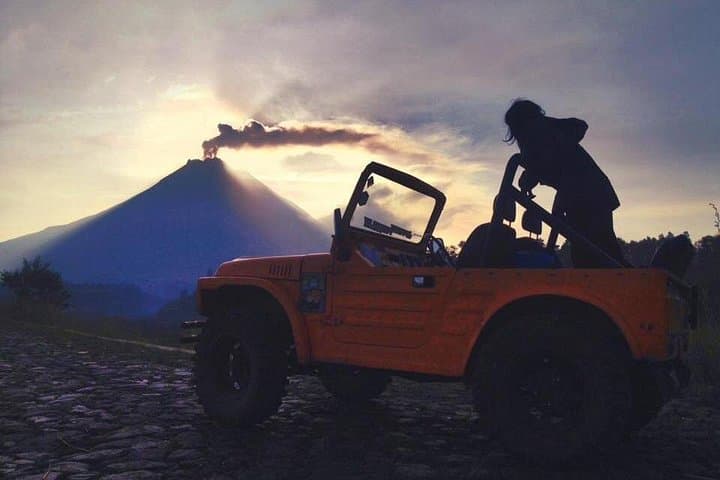
Watch sunrise over Borobudur’s stupas, taste local coffee at a home industry, and view Merapi’s volcanic slopes on a private 5–8 hour circuit from Yogyakarta. Expect early starts, temple protocol, and quick, dramatic landscape changes.
Watch sunrise over Borobudur’s stupas, taste local coffee at a home industry, and view Merapi’s volcanic slopes on a private 5–8 hour circuit from Yogyakarta. Expect early starts, temple protocol, and quick, dramatic landscape changes.
You arrive before dawn on a low grassy ridge; the first light strips fog from terraces and the silhouette of Borobudur sharpens against distant volcanic cones.
Verified experiences and guided adventures in the surrounding area.
Operated by JAVA BALI TRIPS · Magelang, Central Java
You arrive before dawn on a low grassy ridge; the first light strips fog from terraces and the silhouette of Borobudur sharpens against distant volcanic cones.
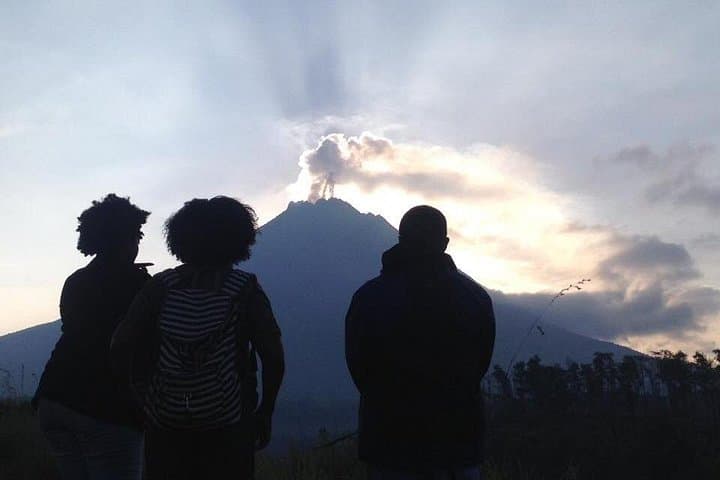
The hill—used by locals and visitors for generations—frames the temple’s stupas like score marks on the horizon. After sunrise the day unfolds through layered landscapes: the stupa-studded terraces of Borobudur (a 9th‑century Mahayana monument built by the Sailendra dynasty), the tidy plots of coffee gardens, and the scarred slopes of Mount Merapi, one of Indonesia’s most active volcanoes whose frequent eruptions sculpt local land and livelihoods.
Cultural notes sit close to the trail. Mendut and Pawon temples form a ritual axis with Borobudur; each temple’s carved chambers and statuary reveal shifts in ritual practice and trade across Central Java. Geologically, Merapi’s andesitic flows contrast the alluvial lowlands—ash and pumice have both nourished soils and redirected villages over decades.
Practical guidance: expect a 5–8 hour, private afternoon-to-morning loop with hotel pickup if selected. Wear closed shoes for compacted dirt and occasional loose volcanic gravel; bring a light rain layer—tropical weather can turn quickly. Carry cash for small home‑industry purchases and be prepared for temple etiquette: shoulders and knees covered, low voices, and no climbing on stupas.
Safety and comfort: follow your guide’s instructions at the Merapi viewing post, respect restricted zones, hydrate early, and time photos in the first hour after sunrise when light is soft and crowds thin. This trip blends clear cultural context with hands‑on landscape viewing—fast, local, and anchored in place.
Pickup and drop-off are offered from selected hotels—confirm at booking and share your hotel details for pickup eligibility.
Yes; admission and national park fees are included in the tour price per the itinerary details.
This tour visits Merapi viewing posts and Babadan village on the volcano’s slopes; it does not include a technical climb to the summit.
Children are permitted but must be accompanied by an adult; note the early start and uneven terrain may be challenging for very young kids.
JAVA BALI TRIPS operates guided outdoor trips and adventures with an emphasis on safety, stewardship, and memorable experiences.
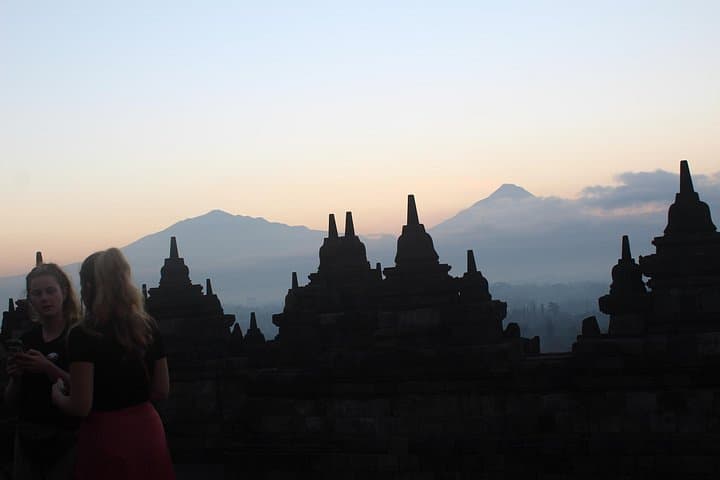
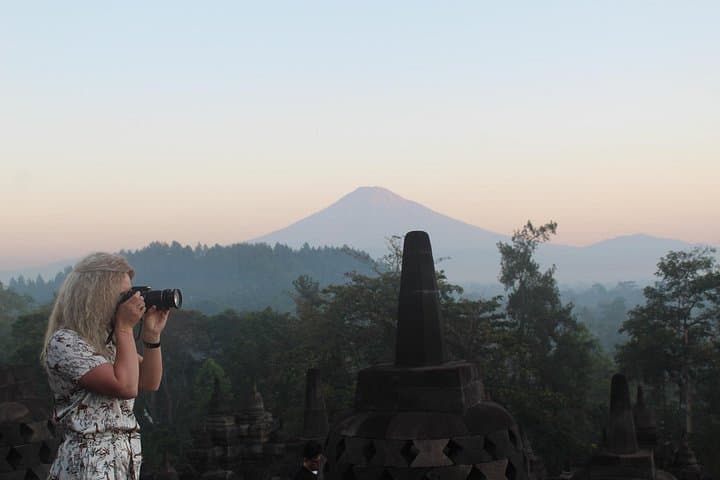
You arrive before dawn on a low grassy ridge; the first light strips fog from terraces and the silhouette of Borobudur sharpens against distant volcanic cones.
You arrive before dawn on a low grassy ridge; the first light strips fog from terraces and the silhouette of Borobudur sharpens against distant volcanic cones.
The hill—used by locals and visitors for generations—frames the temple’s stupas like score marks on the horizon. After sunrise the day unfolds through layered landscapes: the stupa-studded terraces of Borobudur (a 9th‑century Mahayana monument built by the Sailendra dynasty), the tidy plots of coffee gardens, and the scarred slopes of Mount Merapi, one of Indonesia’s most active volcanoes whose frequent eruptions sculpt local land and livelihoods.
Cultural notes sit close to the trail. Mendut and Pawon temples form a ritual axis with Borobudur; each temple’s carved chambers and statuary reveal shifts in ritual practice and trade across Central Java. Geologically, Merapi’s andesitic flows contrast the alluvial lowlands—ash and pumice have both nourished soils and redirected villages over decades.
Practical guidance: expect a 5–8 hour, private afternoon-to-morning loop with hotel pickup if selected. Wear closed shoes for compacted dirt and occasional loose volcanic gravel; bring a light rain layer—tropical weather can turn quickly. Carry cash for small home‑industry purchases and be prepared for temple etiquette: shoulders and knees covered, low voices, and no climbing on stupas.
Safety and comfort: follow your guide’s instructions at the Merapi viewing post, respect restricted zones, hydrate early, and time photos in the first hour after sunrise when light is soft and crowds thin. This trip blends clear cultural context with hands‑on landscape viewing—fast, local, and anchored in place.