THE ADVENTURE COLLECTIVE® · Independent discovery and booking for outdoor travel

Walk Borobudur’s layered terraces, then trade monumental history for hands-on village life in Candirejo—bamboo craft, gamelan music and easy countryside cycling. This full-day cultural tour combines guided temple exploration with genuine rural encounters.
Walk Borobudur’s layered terraces, then trade monumental history for hands-on village life in Candirejo—bamboo craft, gamelan music and easy countryside cycling. This full-day cultural tour combines guided temple exploration with genuine rural encounters.
At first light the stone terraces of Borobudur stand cool under a pale sky, carved panels catching a slow wash of color while rice paddies beyond breathe mist into the valley. Visitors move deliberately along concentric levels, following a guided route that threads meditation stupa, narrative relief and panoramic views of distant volcanoes.
Verified experiences and guided adventures in the surrounding area.
Operated by Explore Java Indonesia · Magelang, Central Java
At first light the stone terraces of Borobudur stand cool under a pale sky, carved panels catching a slow wash of color while rice paddies beyond breathe mist into the valley. Visitors move deliberately along concentric levels, following a guided route that threads meditation stupa, narrative relief and panoramic views of distant volcanoes.
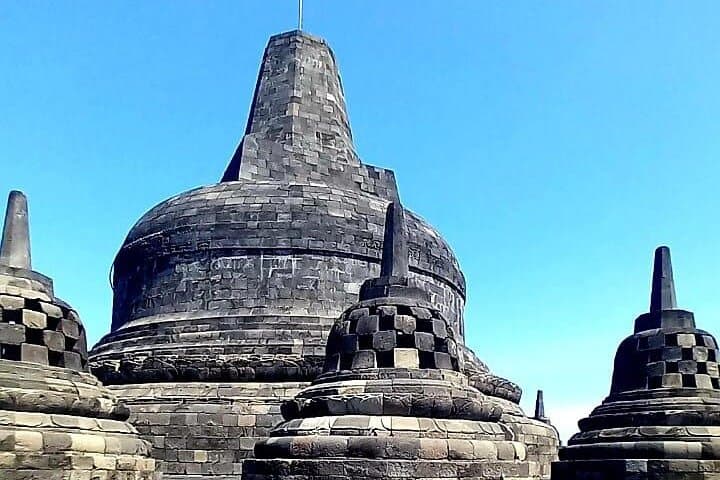
Built in the 8th–9th centuries by the Sailendra dynasty, Borobudur is one of Southeast Asia’s most complete examples of Mahayana Buddhist architecture; its volcanic stone blocks and bas-reliefs record doctrine and daily life from a millennium ago. Geologically, the monument sits on a volcanic plain shaped by eruptions that laid the fertile ground around it—fertility visible in the patchwork of farms abutting the temple.
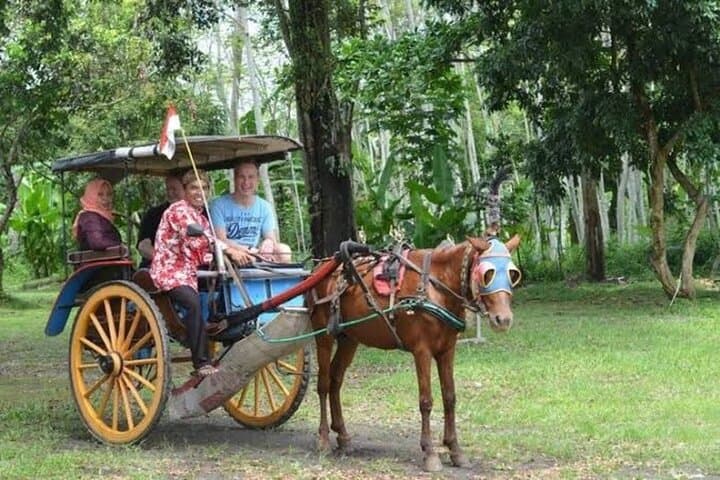
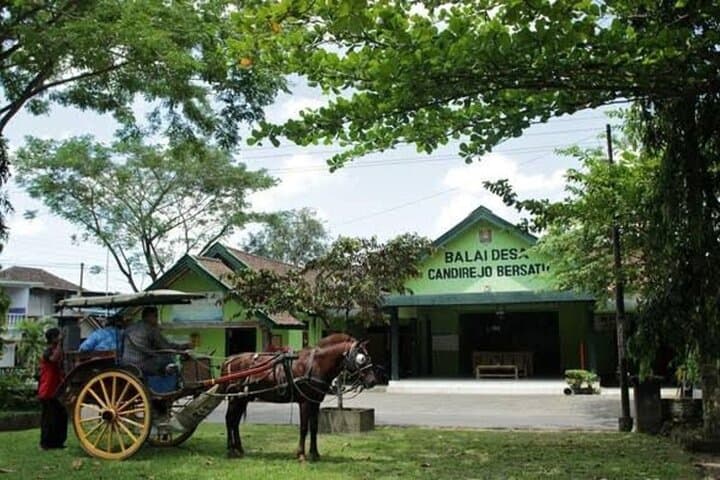
A short ride from the monument, Candirejo Village trades grand history for everyday craft: bamboo workshops, cassava crackers drying in the sun, and vintage push-bikes that make the narrow lanes and paddy edges their own small highways. The village is community-oriented, with local NGOs supporting homestays and cultural programming like gamelan sessions held in the pendopo.
Practicalities matter here: expect several hours on foot at Borobudur (stone steps and narrow terraces) plus light cycling on uneven village lanes. Modest clothing and a steady pair of shoes keep the focus on the experience. Plan for sun by midmorning, carry water, and leave room in the day for the slow, human scale of Candirejo—conversation, tea, and the drum-like resonance of gamelan instruments that close the visit.
There are stairs and terraces at Borobudur; some areas are wheelchair-accessible at ground level, but the main stupas and upper terraces require climbing and are not fully accessible.
Yes—this tour includes Borobudur entrance fees and organized transportation as part of the package.
No advanced skill is required; the village uses simple push or pedal bikes on mostly flat lanes—guides provide brief orientation and easier routes for those less confident.
Indonesian rupiah (IDR) is preferred; bring small notes and change for village purchases since card acceptance is limited.
Explore Java Indonesia operates guided outdoor trips and adventures with an emphasis on safety, stewardship, and memorable experiences.
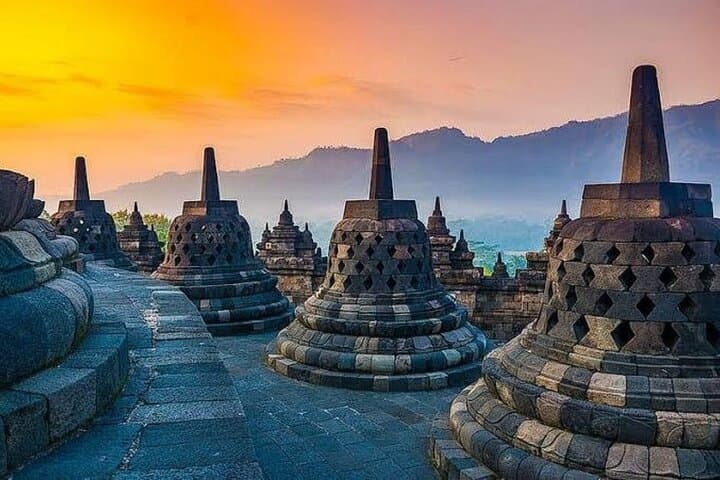
At first light the stone terraces of Borobudur stand cool under a pale sky, carved panels catching a slow wash of color while rice paddies beyond breathe mist into the valley. Visitors move deliberately along concentric levels, following a guided route that threads meditation stupa, narrative relief and panoramic views of distant volcanoes.
At first light the stone terraces of Borobudur stand cool under a pale sky, carved panels catching a slow wash of color while rice paddies beyond breathe mist into the valley. Visitors move deliberately along concentric levels, following a guided route that threads meditation stupa, narrative relief and panoramic views of distant volcanoes.
Built in the 8th–9th centuries by the Sailendra dynasty, Borobudur is one of Southeast Asia’s most complete examples of Mahayana Buddhist architecture; its volcanic stone blocks and bas-reliefs record doctrine and daily life from a millennium ago. Geologically, the monument sits on a volcanic plain shaped by eruptions that laid the fertile ground around it—fertility visible in the patchwork of farms abutting the temple.
A short ride from the monument, Candirejo Village trades grand history for everyday craft: bamboo workshops, cassava crackers drying in the sun, and vintage push-bikes that make the narrow lanes and paddy edges their own small highways. The village is community-oriented, with local NGOs supporting homestays and cultural programming like gamelan sessions held in the pendopo.
Practicalities matter here: expect several hours on foot at Borobudur (stone steps and narrow terraces) plus light cycling on uneven village lanes. Modest clothing and a steady pair of shoes keep the focus on the experience. Plan for sun by midmorning, carry water, and leave room in the day for the slow, human scale of Candirejo—conversation, tea, and the drum-like resonance of gamelan instruments that close the visit.