THE ADVENTURE COLLECTIVE® · Independent discovery and booking for outdoor travel

A full-day cultural loop from Sarajevo through Konjic, Tito’s secret bunker, Jablanica, Mostar and Blagaj. Expect river valleys, Ottoman bridges, Cold War concrete and local riverside cuisine on this immersive Herzegovina route.
A full-day cultural loop from Sarajevo through Konjic, Tito’s secret bunker, Jablanica, Mostar and Blagaj. Expect river valleys, Ottoman bridges, Cold War concrete and local riverside cuisine on this immersive Herzegovina route.
You step out at Sarajevo City Hall as the tram ticks away, and the morning air tastes of coffee and coal smoke. A small coach eases onto the road and the hills begin to unfold — limestone ridges give way to river valleys where the Neretva pushes forward, cool and insistent.
Verified experiences and guided adventures in the surrounding area.
Operated by Balkland · Sarajevo, Sarajevo Canton
You step out at Sarajevo City Hall as the tram ticks away, and the morning air tastes of coffee and coal smoke. A small coach eases onto the road and the hills begin to unfold — limestone ridges give way to river valleys where the Neretva pushes forward, cool and insistent.
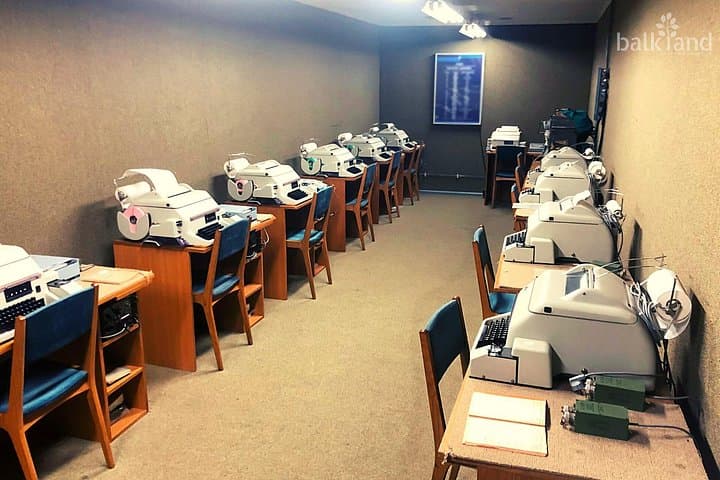
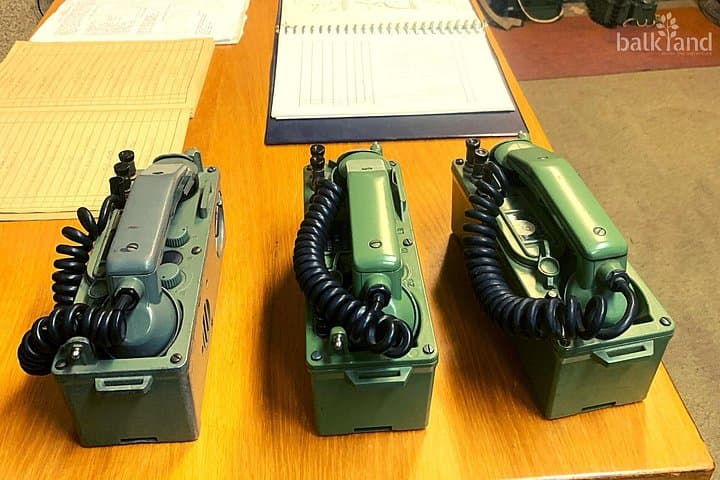
This full-day loop threads Konjic, Tito’s underground ARK, Jablanica, Mostar and the village of Blagaj. Konjic’s Ottoman bridge—an elegant stone arc over the green Neretva—anchors the town’s medieval footprint. A short drive brings you to ARK D-0, Marshal Tito’s Cold War bunker, a concrete labyrinth carved into the mountain in the 1950s and frozen in time with command rooms and service corridors.
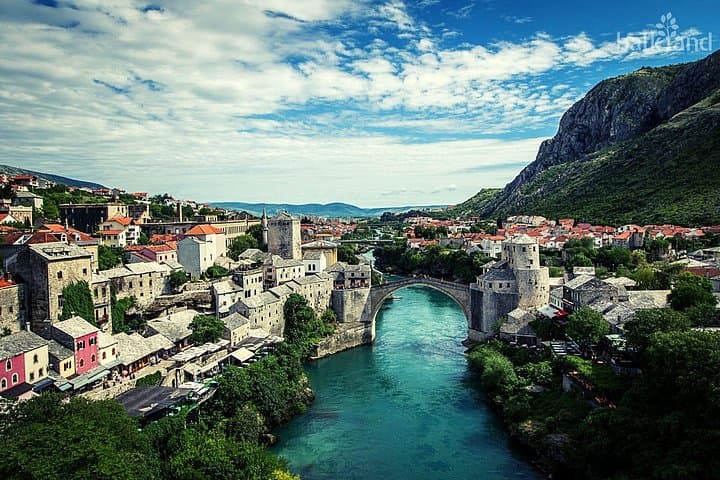
Continue into the scarred landscapes around Jablanica, where World War II history is preserved at the Battle of the Neretva Museum. Mostar’s Old Town centers on the Stari Most, a UNESCO-listed Ottoman-era bridge whose reflection fractures across the river. The final act is Blagaj: a 16th‑century tekija clinging to the Buna spring mouth, where trout-rich currents and riverside cafés invite a slow meal.
Practical guidance: expect a 10–11 hour day with multiple short walks, stairs in Mostar and confined spaces in the bunker. Comfortable, broken-in footwear and layered clothing matter; summers are hot at midday, springs can be wet and cool. Bring a charged phone and some cash for small vendors. The tour blends history, geology and living culture—good for travelers who want a single, focused day to sample Herzegovina’s cliffs, rivers and layered past.
The tour runs about 10–11 hours and begins/ends at Sarajevo City Hall in the old town.
Yes, guided entry into ARK D-0 is included as part of the itinerary.
Bottled water and snacks are included; lunch and dinner options are available at stops—bring cash for local restaurants.
Yes—stroller access is noted, but the bunker and some cobbled areas may be challenging for very young children.
Balkland operates guided outdoor trips and adventures with an emphasis on safety, stewardship, and memorable experiences.

You step out at Sarajevo City Hall as the tram ticks away, and the morning air tastes of coffee and coal smoke. A small coach eases onto the road and the hills begin to unfold — limestone ridges give way to river valleys where the Neretva pushes forward, cool and insistent.
You step out at Sarajevo City Hall as the tram ticks away, and the morning air tastes of coffee and coal smoke. A small coach eases onto the road and the hills begin to unfold — limestone ridges give way to river valleys where the Neretva pushes forward, cool and insistent.
This full-day loop threads Konjic, Tito’s underground ARK, Jablanica, Mostar and the village of Blagaj. Konjic’s Ottoman bridge—an elegant stone arc over the green Neretva—anchors the town’s medieval footprint. A short drive brings you to ARK D-0, Marshal Tito’s Cold War bunker, a concrete labyrinth carved into the mountain in the 1950s and frozen in time with command rooms and service corridors.
Continue into the scarred landscapes around Jablanica, where World War II history is preserved at the Battle of the Neretva Museum. Mostar’s Old Town centers on the Stari Most, a UNESCO-listed Ottoman-era bridge whose reflection fractures across the river. The final act is Blagaj: a 16th‑century tekija clinging to the Buna spring mouth, where trout-rich currents and riverside cafés invite a slow meal.
Practical guidance: expect a 10–11 hour day with multiple short walks, stairs in Mostar and confined spaces in the bunker. Comfortable, broken-in footwear and layered clothing matter; summers are hot at midday, springs can be wet and cool. Bring a charged phone and some cash for small vendors. The tour blends history, geology and living culture—good for travelers who want a single, focused day to sample Herzegovina’s cliffs, rivers and layered past.