THE ADVENTURE COLLECTIVE® · Independent discovery and booking for outdoor travel

Walk the beaches of Ipanema and Copacabana while a musician-guide plays live Bossa Nova and tells the stories behind Brazil’s most famous songs. This three-hour urban music tour blends history, local color and short performances at ten meaningful stops.
Walk the beaches of Ipanema and Copacabana while a musician-guide plays live Bossa Nova and tells the stories behind Brazil’s most famous songs. This three-hour urban music tour blends history, local color and short performances at ten meaningful stops.
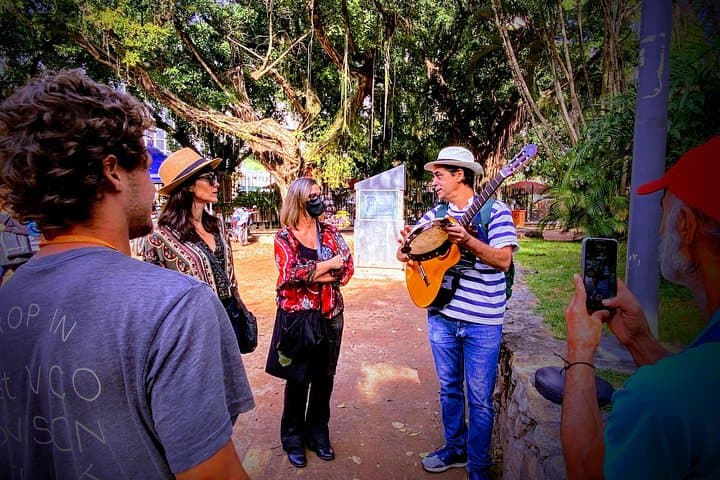
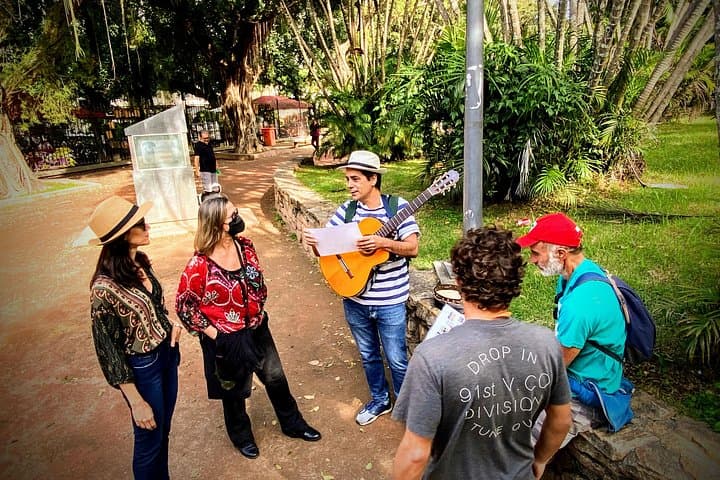
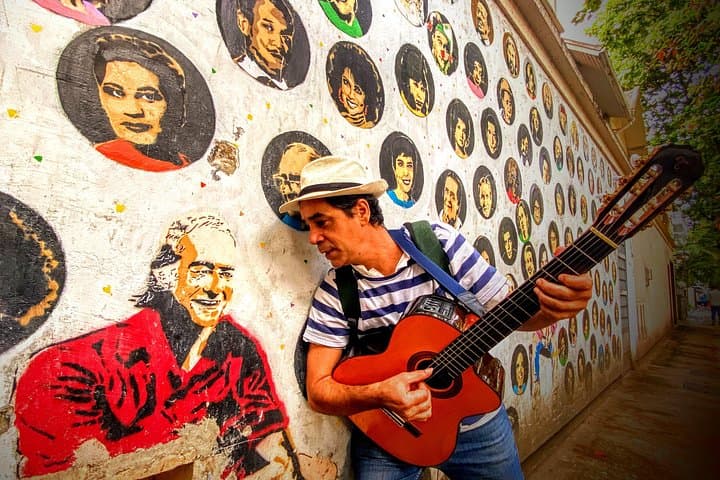
You step out onto a sun-warmed sidewalk and the first chords arrive like a local greeting—soft guitar, a voice that folds into the ocean breeze. The Bossa Nova Walking Tour threads along Ipanema and Copacabana for three hours, pausing at bars, plazas and the façades where Jobim, Vinícius and João Gilberto found their lines.
Verified experiences and guided adventures in the surrounding area.
Operated by Rio Bossa Experience · Rio de Janeiro, Rio de Janeiro
You step out onto a sun-warmed sidewalk and the first chords arrive like a local greeting—soft guitar, a voice that folds into the ocean breeze. The Bossa Nova Walking Tour threads along Ipanema and Copacabana for three hours, pausing at bars, plazas and the façades where Jobim, Vinícius and João Gilberto found their lines.
The route follows the crescent of Rio’s southern shore: black-and-white promenade, low dunes, and the abrupt granite shoulders of the Dois Irmãos and Sugarloaf framing the soundscape. Bossa Nova grew here in the late 1950s as a pared-down fusion of samba and jazz—intimate songs written for cafés, beach kiosks and small gatherings rather than grand stages. The guide, a working musician, links those histories to specific addresses and anecdotes while playing live between stops.
Culturally the walk is a primer: the “Girl from Ipanema” landmarks, the Hippie Fair’s role in popularizing artists, and Laura Alvim’s influence on Rio’s nightlife. Geology and urban form matter too—the flat promenade makes for easy walking, while the Atlantic pushes a constant soundtrack that can make small details feel larger.
Practical side: expect about 2–4 km of walking on paved sidewalks with short sandy crossings, minimal elevation, and frequent stops. Bring sun protection, comfortable shoes, and a small amount of cash for coffee or a caipirinha. Tours move at an easy pace—arrive early to find the meeting point at Nossa Senhora da Paz Square and leave time after the tour to linger on the sand and let the final refrains settle into the evening light.
The tour lasts about three hours and covers roughly 2–4 km along flat sidewalks, beaches and short side streets with frequent stops for performances.
The tour is labeled physically easy and is stroller-accessible; however it involves standing and short walks—contact the operator if mobility assistance is required.
Yes—the guide is a working musician who performs guitar and sings live at multiple stops to illustrate the history and songs of Bossa Nova.
Tours are typically offered in Portuguese and often in English; check booking details or request language needs when reserving.
Rio Bossa Experience operates guided outdoor trips and adventures with an emphasis on safety, stewardship, and memorable experiences.

You step out onto a sun-warmed sidewalk and the first chords arrive like a local greeting—soft guitar, a voice that folds into the ocean breeze. The Bossa Nova Walking Tour threads along Ipanema and Copacabana for three hours, pausing at bars, plazas and the façades where Jobim, Vinícius and João Gilberto found their lines.
You step out onto a sun-warmed sidewalk and the first chords arrive like a local greeting—soft guitar, a voice that folds into the ocean breeze. The Bossa Nova Walking Tour threads along Ipanema and Copacabana for three hours, pausing at bars, plazas and the façades where Jobim, Vinícius and João Gilberto found their lines.
The route follows the crescent of Rio’s southern shore: black-and-white promenade, low dunes, and the abrupt granite shoulders of the Dois Irmãos and Sugarloaf framing the soundscape. Bossa Nova grew here in the late 1950s as a pared-down fusion of samba and jazz—intimate songs written for cafés, beach kiosks and small gatherings rather than grand stages. The guide, a working musician, links those histories to specific addresses and anecdotes while playing live between stops.
Culturally the walk is a primer: the “Girl from Ipanema” landmarks, the Hippie Fair’s role in popularizing artists, and Laura Alvim’s influence on Rio’s nightlife. Geology and urban form matter too—the flat promenade makes for easy walking, while the Atlantic pushes a constant soundtrack that can make small details feel larger.
Practical side: expect about 2–4 km of walking on paved sidewalks with short sandy crossings, minimal elevation, and frequent stops. Bring sun protection, comfortable shoes, and a small amount of cash for coffee or a caipirinha. Tours move at an easy pace—arrive early to find the meeting point at Nossa Senhora da Paz Square and leave time after the tour to linger on the sand and let the final refrains settle into the evening light.