THE ADVENTURE COLLECTIVE® · Independent discovery and booking for outdoor travel

Walk the streets where Boston’s suffrage fighters campaigned and clashed. This 2.5-hour Back Bay tour visits gardens, memorials and historic homes while unpacking 1870–1920 politics and the city’s role in the national fight for women’s voting rights.
Walk the streets where Boston’s suffrage fighters campaigned and clashed. This 2.5-hour Back Bay tour visits gardens, memorials and historic homes while unpacking 1870–1920 politics and the city’s role in the national fight for women’s voting rights.
The walk begins beside the Make Way for Ducklings bronzes, morning light slicing between linden trees and the granite façades that frame Boston’s Public Garden. Guides lead small groups down shaded paths and across carriageway-grade streets where the city’s late 19th-century money and muscle met rising political voice.
Verified experiences and guided adventures in the surrounding area.
Operated by Hub Town Tours · Boston, Massachusetts
The walk begins beside the Make Way for Ducklings bronzes, morning light slicing between linden trees and the granite façades that frame Boston’s Public Garden. Guides lead small groups down shaded paths and across carriageway-grade streets where the city’s late 19th-century money and muscle met rising political voice.
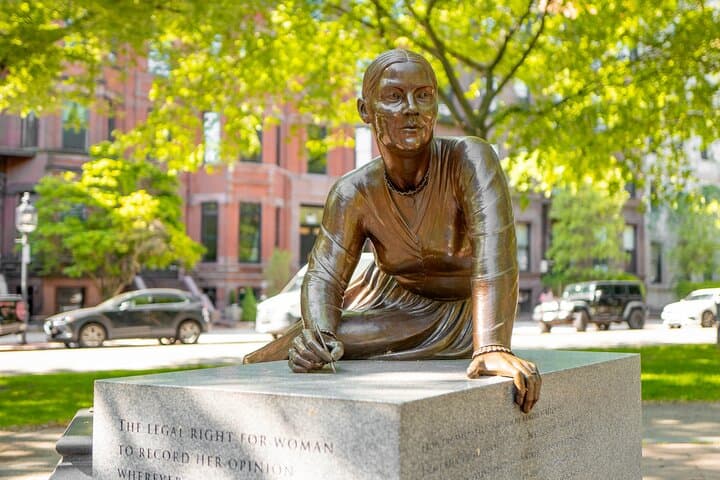
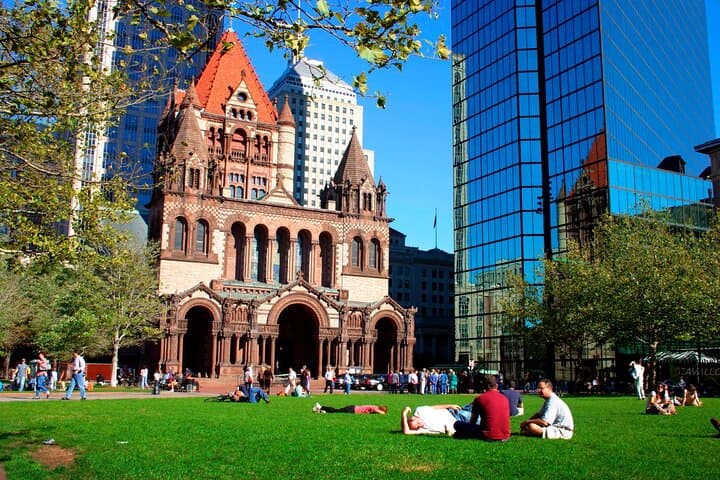
From the Public Garden the route threads through Back Bay’s broad avenues and into Copley and Commonwealth Avenue Mall, stopping at sculpted memorials, former meeting houses and townhouses that once housed both suffrage organizers and their opponents. The story here is civic and architectural: brownstone and pressed brick built on fill, Victorian design framing the bitter 1870–1920 years when suffragists tested courts, newspapers and public opinion.
The tour balances biography and urban context—profiles of local organizers, financiers and anti-suffrage figures—while situating their tactics in Boston’s commercial and religious centers. Expect snapshots of activism: parades on Beacon Street, fundraising salons in private homes, and courthouse scrambles over voter registration.
Practicalities: this is a primarily on-foot, 2.5-hour tour with frequent stops; much of the route is paved, mostly level, with brief curb crossings. Wear supportive shoes, bring water and a layered jacket for coastal winds. Public transit and street parking are nearby; the tour is wheelchair-accessible with advance notice but does require standing between stops.
For visitors who want civic context, the walk offers a compact, source-rich primer on how local politics, wealth and culture shaped a national movement—and how the city streets themselves became the stage for change.
The guided tour lasts about 2.5 hours and covers roughly 1–1.5 miles with multiple stops for commentary and photos.
Yes—most surfaces are paved and accessible, but guides recommend notifying the operator in advance so they can accommodate any special needs.
Full refunds are typically available if you cancel at least 24 hours before the start time; check the operator’s cancellation policy at booking.
Older children who can stand and follow along for 2–3 hours will find it engaging; the content focuses on historical figures and civic events rather than child-specific activities.
Hub Town Tours operates guided outdoor trips and adventures with an emphasis on safety, stewardship, and memorable experiences.
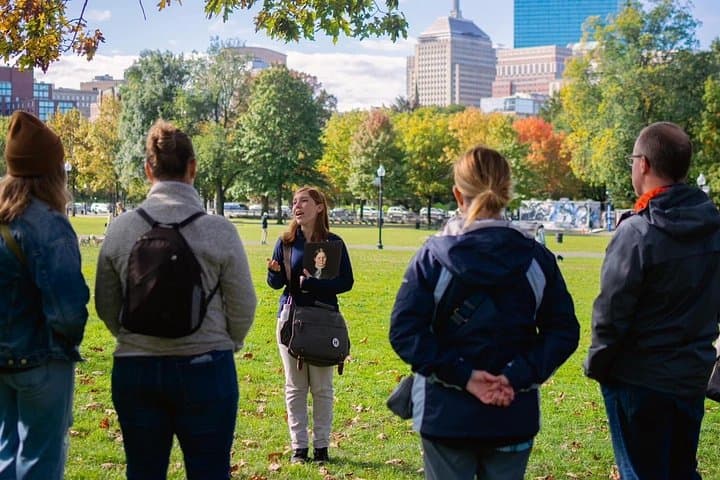
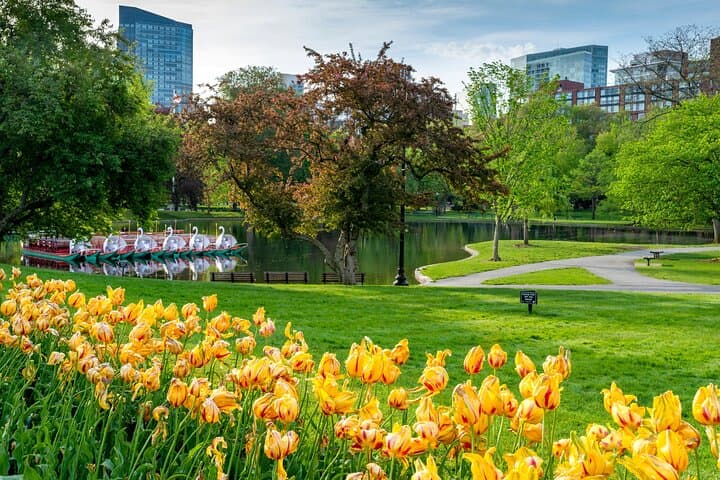
The walk begins beside the Make Way for Ducklings bronzes, morning light slicing between linden trees and the granite façades that frame Boston’s Public Garden. Guides lead small groups down shaded paths and across carriageway-grade streets where the city’s late 19th-century money and muscle met rising political voice.
The walk begins beside the Make Way for Ducklings bronzes, morning light slicing between linden trees and the granite façades that frame Boston’s Public Garden. Guides lead small groups down shaded paths and across carriageway-grade streets where the city’s late 19th-century money and muscle met rising political voice.
From the Public Garden the route threads through Back Bay’s broad avenues and into Copley and Commonwealth Avenue Mall, stopping at sculpted memorials, former meeting houses and townhouses that once housed both suffrage organizers and their opponents. The story here is civic and architectural: brownstone and pressed brick built on fill, Victorian design framing the bitter 1870–1920 years when suffragists tested courts, newspapers and public opinion.
The tour balances biography and urban context—profiles of local organizers, financiers and anti-suffrage figures—while situating their tactics in Boston’s commercial and religious centers. Expect snapshots of activism: parades on Beacon Street, fundraising salons in private homes, and courthouse scrambles over voter registration.
Practicalities: this is a primarily on-foot, 2.5-hour tour with frequent stops; much of the route is paved, mostly level, with brief curb crossings. Wear supportive shoes, bring water and a layered jacket for coastal winds. Public transit and street parking are nearby; the tour is wheelchair-accessible with advance notice but does require standing between stops.
For visitors who want civic context, the walk offers a compact, source-rich primer on how local politics, wealth and culture shaped a national movement—and how the city streets themselves became the stage for change.