THE ADVENTURE COLLECTIVE® · Independent discovery and booking for outdoor travel

Step aboard the schooner Adirondack for a 1.5 or 2-hour sail from Rowes Wharf and see Boston from the water—lighthouses, Fort Independence, Spectacle Island and a skyline that loosens its grip as the harbor takes over.
Step aboard the schooner Adirondack for a 1.5 or 2-hour sail from Rowes Wharf and see Boston from the water—lighthouses, Fort Independence, Spectacle Island and a skyline that loosens its grip as the harbor takes over.
The schooner slips free of Rowes Wharf with a soft sigh of rigging and the city releases you. Glass towers of the Seaport recede into a low-brick shoreline punctuated by the squat mass of Fort Independence on Castle Island. Salt air moves through the rigging like a living thing, and within minutes downtown Boston is a backdrop to gulls, lighthouses and a chain of harbor islands that have shaped New England’s maritime story.
Verified experiences and guided adventures in the surrounding area.
Operated by Classic Harbor Line - Boston · Boston, Massachusetts
The schooner slips free of Rowes Wharf with a soft sigh of rigging and the city releases you. Glass towers of the Seaport recede into a low-brick shoreline punctuated by the squat mass of Fort Independence on Castle Island. Salt air moves through the rigging like a living thing, and within minutes downtown Boston is a backdrop to gulls, lighthouses and a chain of harbor islands that have shaped New England’s maritime story.
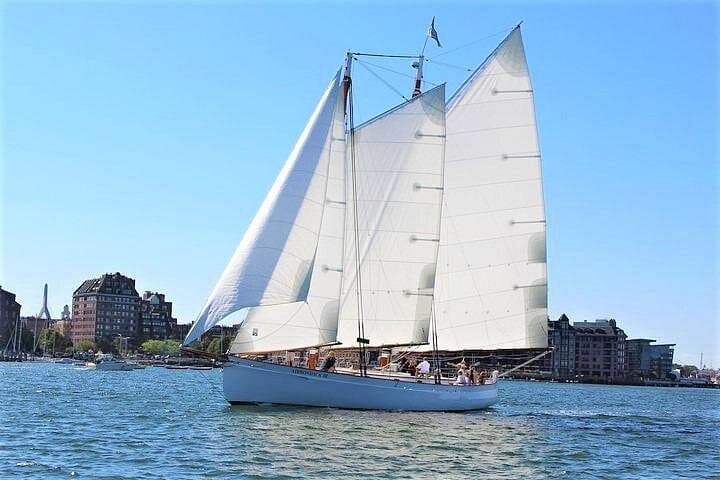
This is not a race; it’s a deliberate passage crafted from a nineteenth-century love of sail. The Adirondack III and IV are built in that style—long overhangs, varnished wood, furling lines—that call to mind the era when Donald McKay launched packet ships from East Boston and the harbor was a hive of trade, shipbuilding and defense. You’ll cruise past Fan Pier and the Moakley Courthouse, skirt Spectacle Island with its reclaimed beaches, and trace the channel toward Long Island Head Light, each landmark a chapter in Boston’s working-water history.
Geology here is modest but telling: glacially scoured bedrock, drumlins hidden beneath city streets, and a scattering of islands that were once fishing outposts and prison sites. The islands are part of the Boston Harbor Islands National Recreation Area, a mix of industrial past and ongoing restoration that has brought back shorebirds and marine vegetation after decades of pollution and development.
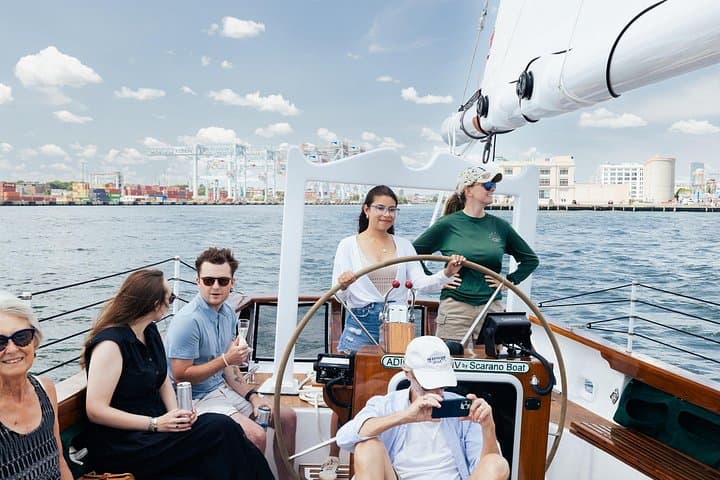
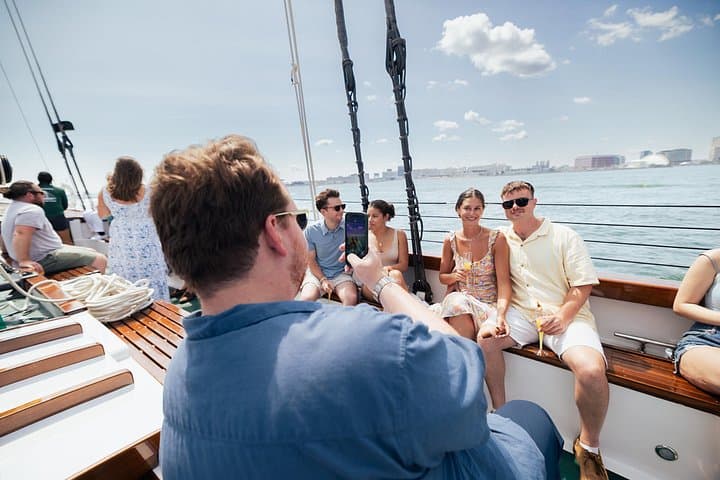
Culture onboard leans practical and friendly. The crew fields local lore—tales of clipper captains, wartime watch posts, and the harbor’s 20th-century industrial reinvention—while offering a relaxed sailing experience. Beverage service runs during the trip, and you’re welcome to bring a picnic; benches and open deck space make it easy to spread out and savor the view.
Practical details matter: choose the 90- or 120-minute option based on tide and attention span—longer sails reach farther into the island chain. Arrive 15–30 minutes early to check in at the Ferry Terminal behind the Boston Harbor Hotel; boarding closes five minutes before departure. Dress in layers and expect it to be several degrees cooler and windier on the water. The cruise is family-friendly and accessible for most fitness levels, but it’s not wheelchair accessible without prior arrangement.
Photographers should aim for morning or late-afternoon light to capture the skyline with warm contrast; the bow and near Long Island Head Light are prime spots for unobstructed frames. Keep binoculars handy—the harbor hosts seals, terns and occasional bluefish runs.
This day sail is a compact, low-effort way to experience Boston from the element that made the city—water. It’s history in motion, a short escape where the city’s edges soften and the harbor begins to tell its own story.
Check in at the ticket booth in the Ferry Terminal at Rowes Wharf, directly behind the Boston Harbor Hotel (400 Atlantic Ave). Arrive 15–30 minutes early.
Yes; the sail is family-friendly but children must be accompanied by an adult and supervised near railings.
You may bring a picnic; outside alcoholic beverages are not permitted. Drinks are available for purchase by card onboard.
This is not a formal narration, but the crew is available to answer questions and point out sights and history.
The vessel is not wheelchair accessible without advance notice; contact the operator ahead of booking to discuss accommodations.
Full refunds are available if you cancel at least 24 hours before departure; trips may be canceled if weather or insufficient bookings occur.
Classic Harbor Line - Boston operates guided outdoor trips and adventures with an emphasis on safety, stewardship, and memorable experiences.
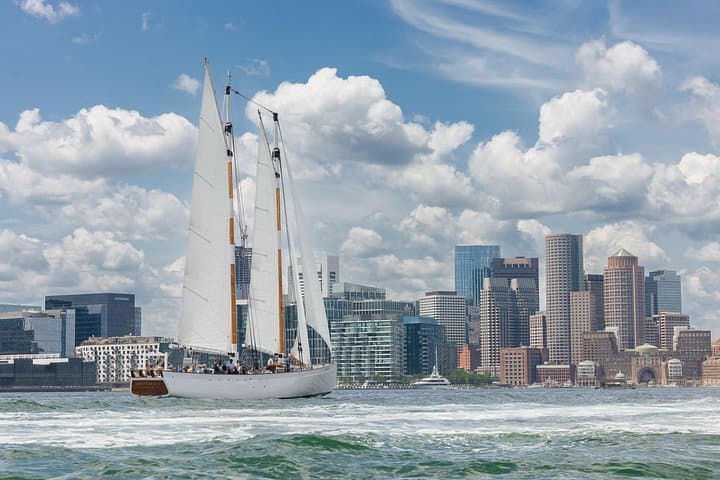
The schooner slips free of Rowes Wharf with a soft sigh of rigging and the city releases you. Glass towers of the Seaport recede into a low-brick shoreline punctuated by the squat mass of Fort Independence on Castle Island. Salt air moves through the rigging like a living thing, and within minutes downtown Boston is a backdrop to gulls, lighthouses and a chain of harbor islands that have shaped New England’s maritime story.
The schooner slips free of Rowes Wharf with a soft sigh of rigging and the city releases you. Glass towers of the Seaport recede into a low-brick shoreline punctuated by the squat mass of Fort Independence on Castle Island. Salt air moves through the rigging like a living thing, and within minutes downtown Boston is a backdrop to gulls, lighthouses and a chain of harbor islands that have shaped New England’s maritime story.
This is not a race; it’s a deliberate passage crafted from a nineteenth-century love of sail. The Adirondack III and IV are built in that style—long overhangs, varnished wood, furling lines—that call to mind the era when Donald McKay launched packet ships from East Boston and the harbor was a hive of trade, shipbuilding and defense. You’ll cruise past Fan Pier and the Moakley Courthouse, skirt Spectacle Island with its reclaimed beaches, and trace the channel toward Long Island Head Light, each landmark a chapter in Boston’s working-water history.
Geology here is modest but telling: glacially scoured bedrock, drumlins hidden beneath city streets, and a scattering of islands that were once fishing outposts and prison sites. The islands are part of the Boston Harbor Islands National Recreation Area, a mix of industrial past and ongoing restoration that has brought back shorebirds and marine vegetation after decades of pollution and development.
Culture onboard leans practical and friendly. The crew fields local lore—tales of clipper captains, wartime watch posts, and the harbor’s 20th-century industrial reinvention—while offering a relaxed sailing experience. Beverage service runs during the trip, and you’re welcome to bring a picnic; benches and open deck space make it easy to spread out and savor the view.
Practical details matter: choose the 90- or 120-minute option based on tide and attention span—longer sails reach farther into the island chain. Arrive 15–30 minutes early to check in at the Ferry Terminal behind the Boston Harbor Hotel; boarding closes five minutes before departure. Dress in layers and expect it to be several degrees cooler and windier on the water. The cruise is family-friendly and accessible for most fitness levels, but it’s not wheelchair accessible without prior arrangement.
Photographers should aim for morning or late-afternoon light to capture the skyline with warm contrast; the bow and near Long Island Head Light are prime spots for unobstructed frames. Keep binoculars handy—the harbor hosts seals, terns and occasional bluefish runs.
This day sail is a compact, low-effort way to experience Boston from the element that made the city—water. It’s history in motion, a short escape where the city’s edges soften and the harbor begins to tell its own story.