THE ADVENTURE COLLECTIVE® · Independent discovery and booking for outdoor travel

Visit Boudhanath Stupa and Pashupatinath Temple on a compact, 4-hour guided tour that pairs Tibetan Buddhist kora with Hindu aarti by the Bagmati River. Expect short walks, live rituals, and practical guidance on respectful viewing and local customs.
Visit Boudhanath Stupa and Pashupatinath Temple on a compact, 4-hour guided tour that pairs Tibetan Buddhist kora with Hindu aarti by the Bagmati River. Expect short walks, live rituals, and practical guidance on respectful viewing and local customs.
A visitor stepping into Boudhanath’s wide courtyard feels the air filled with the soft grind of prayer wheels and the low murmur of monks. Whitewashed domes rise against a Himalaya-tinged sky, while flags and fluttering prayer scarves bring motion to stone and brick.
Verified experiences and guided adventures in the surrounding area.
Operated by Intrepid Urban Adventures - India · Kathmandu, Bagmati Province
A visitor stepping into Boudhanath’s wide courtyard feels the air filled with the soft grind of prayer wheels and the low murmur of monks. Whitewashed domes rise against a Himalaya-tinged sky, while flags and fluttering prayer scarves bring motion to stone and brick.
Boudhanath Stupa, one of the largest stupas in the world, has been a focal point for Tibetan Buddhists since medieval trade routes brought pilgrims and artisans to Kathmandu. A short drive east sits Pashupatinath Temple on the Bagmati River—one of Shiva’s principal shrines—whose ghats host daily rites and cremations that mark life’s thresholds.
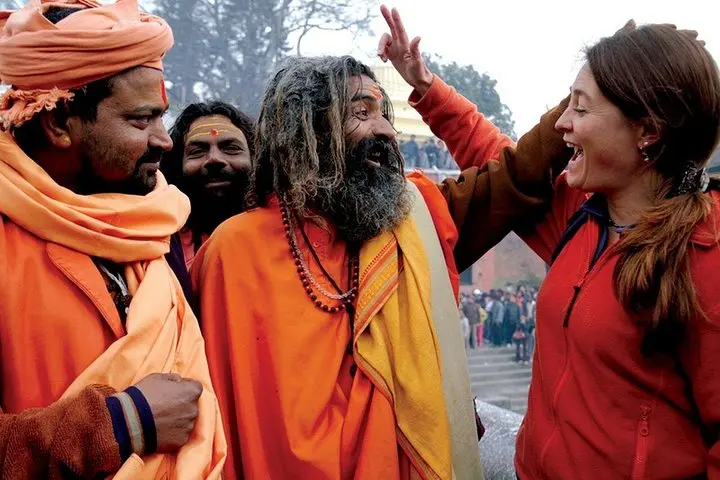
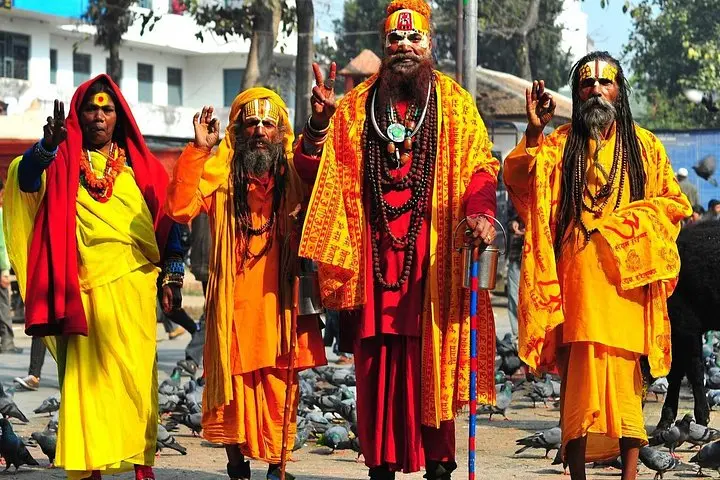
Geology here is river plain and reclaimed alluvial terraces, which shaped early settlements and the narrow lanes of Kathmandu. Culturally, the two sites present a live contrast: clockwise kora and butter-lamp devotion around the stupa; ash-smeared sadhus and the evening aarti of oil lamps at Pashupatinath.
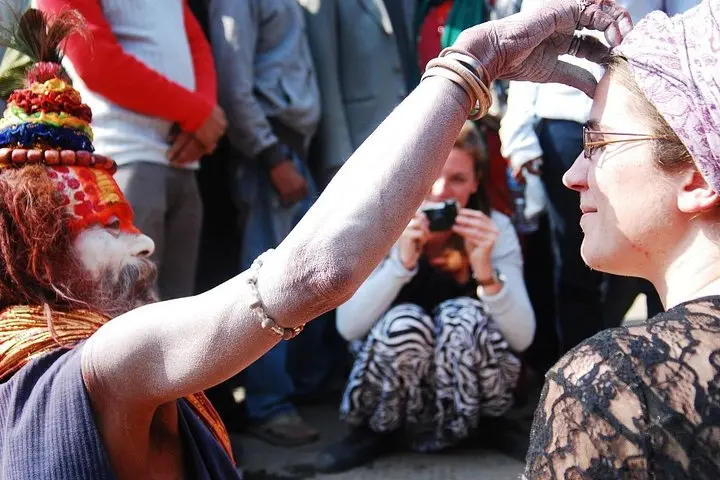
The tour typically covers about 2 km of walking on paved and uneven surfaces over roughly four hours, with short drives between Thamel, Boudhanath, and Pashupatinath. Visitors should move respectfully—watching, asking before photographing people, and keeping to designated viewing areas at the ghats.
Practical notes: arrive mid-afternoon to see both daylight kora and the evening aarti; carry small cash for entrance fees, butter lamps, or a palm reader if desired; wear modest clothing and comfortable shoes for paved and stone steps. This experience blends sensory detail with clear logistics: sacred sights, living rituals, and a compact, walkable introduction to Kathmandu’s spiritual heart.
Entrance fees to Boudhanath and Pashupatinath are included in the tour price as noted, but optional offerings like butter lamps and palm readings are extra.
Photography is generally allowed at Boudhanath and public areas of Pashupatinath, but do not photograph cremation rituals or people without permission—follow your guide’s directions.
Yes, the tour is child-friendly, but caregivers should consider whether young children should view cremation ghats; the tour operator permits children under six free of charge.
Thamel is a central tourist district reachable by taxi or organized pickup; the listed meeting point is Hotel Moonlight in Thamel—confirm exact pickup details with the operator.
Intrepid Urban Adventures - India operates guided outdoor trips and adventures with an emphasis on safety, stewardship, and memorable experiences.
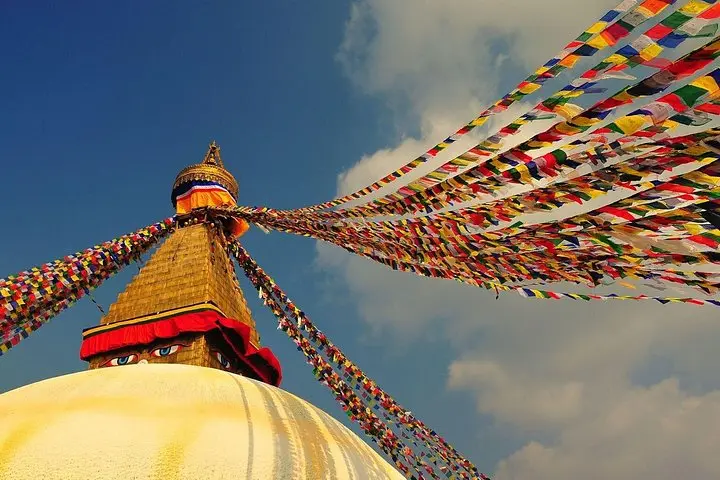
A visitor stepping into Boudhanath’s wide courtyard feels the air filled with the soft grind of prayer wheels and the low murmur of monks. Whitewashed domes rise against a Himalaya-tinged sky, while flags and fluttering prayer scarves bring motion to stone and brick.
A visitor stepping into Boudhanath’s wide courtyard feels the air filled with the soft grind of prayer wheels and the low murmur of monks. Whitewashed domes rise against a Himalaya-tinged sky, while flags and fluttering prayer scarves bring motion to stone and brick.
Boudhanath Stupa, one of the largest stupas in the world, has been a focal point for Tibetan Buddhists since medieval trade routes brought pilgrims and artisans to Kathmandu. A short drive east sits Pashupatinath Temple on the Bagmati River—one of Shiva’s principal shrines—whose ghats host daily rites and cremations that mark life’s thresholds.
Geology here is river plain and reclaimed alluvial terraces, which shaped early settlements and the narrow lanes of Kathmandu. Culturally, the two sites present a live contrast: clockwise kora and butter-lamp devotion around the stupa; ash-smeared sadhus and the evening aarti of oil lamps at Pashupatinath.
The tour typically covers about 2 km of walking on paved and uneven surfaces over roughly four hours, with short drives between Thamel, Boudhanath, and Pashupatinath. Visitors should move respectfully—watching, asking before photographing people, and keeping to designated viewing areas at the ghats.
Practical notes: arrive mid-afternoon to see both daylight kora and the evening aarti; carry small cash for entrance fees, butter lamps, or a palm reader if desired; wear modest clothing and comfortable shoes for paved and stone steps. This experience blends sensory detail with clear logistics: sacred sights, living rituals, and a compact, walkable introduction to Kathmandu’s spiritual heart.