THE ADVENTURE COLLECTIVE® · Independent discovery and booking for outdoor travel

Travel the Cape Peninsula in a luxury electric vehicle to meet African penguins at Boulders Beach, drive the cliff-hugging Chapman's Peak, and ride the funicular up to Cape Point's lighthouse. This accessible, itinerary-flexible tour balances wildlife viewing, dramatic coastlines and local flavors.
Travel the Cape Peninsula in a luxury electric vehicle to meet African penguins at Boulders Beach, drive the cliff-hugging Chapman's Peak, and ride the funicular up to Cape Point's lighthouse. This accessible, itinerary-flexible tour balances wildlife viewing, dramatic coastlines and local flavors.
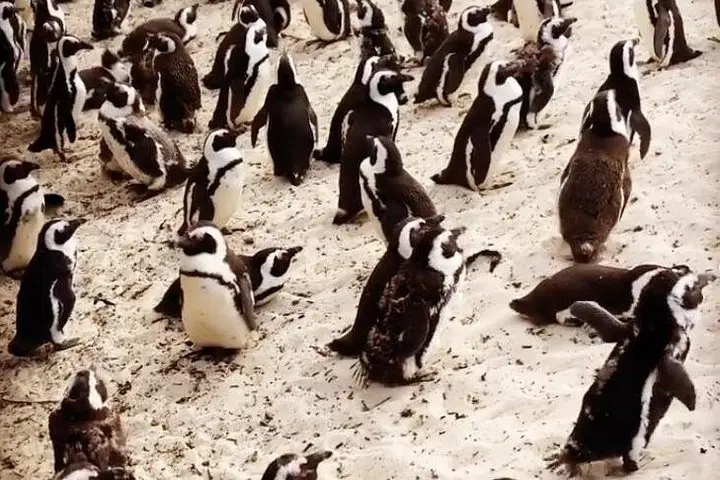
You leave the city's rhythm behind in a silent luxury EV, tires whispering along coastal asphalt while Table Mountain shrinks into a slab of granite at your shoulder. The first stop is Boulders Beach, where a colony of African penguins patrols tidal rocks as if rehearsing for an audience. Wooden boardwalks keep you at respectful distance while penguins preen, squabble and shuffle between sand and surf — their so-called “braying” sound surprising and oddly human.
Verified experiences and guided adventures in the surrounding area.
Operated by Cape Journeys · Cape Town, Western Cape
You leave the city's rhythm behind in a silent luxury EV, tires whispering along coastal asphalt while Table Mountain shrinks into a slab of granite at your shoulder. The first stop is Boulders Beach, where a colony of African penguins patrols tidal rocks as if rehearsing for an audience. Wooden boardwalks keep you at respectful distance while penguins preen, squabble and shuffle between sand and surf — their so-called “braying” sound surprising and oddly human.
From Boulders the drive hugs the coastline, climbing toward Chapman's Peak Drive. This engineering ribbon of cliff and stone hangs above the Atlantic, the road cut into steep sandstone and shale that still smells faintly of salt and fynbos. Pull over at a lookout and the ocean stretches flat and fierce; currents and wind shape the cliffs, gulls ride the thermals, and the road itself becomes part of the coastline’s story.
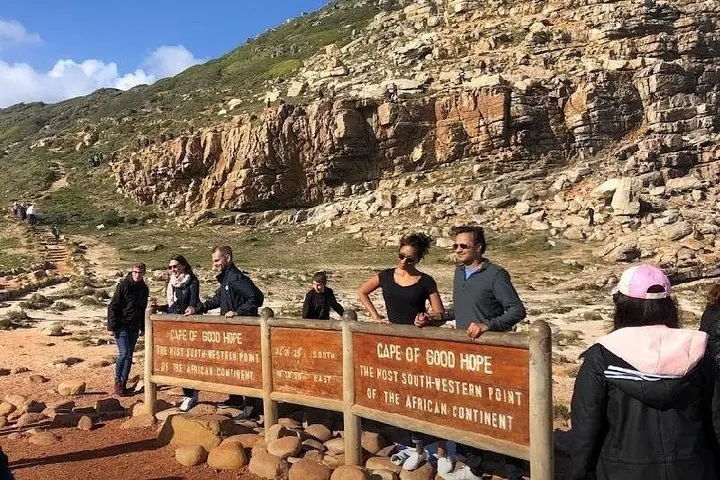
At the Cape of Good Hope in the Cape Point Nature Reserve, geology and maritime lore collide. Granite outcrops and hard-worn sandstone bear grooves from ancient glaciers and tidal battering. The reserve is home to endemic fynbos — a low, scrubby plant community with proteas and ericas — that survived for millennia in nutrient-poor soils. Legends follow this coast: shipwrecks, the Flying Dutchman, and centuries of sailors naming every cape and cove on old charts.
A short funicular ride (included) lifts you through dense fynbos to Cape Point’s historic lighthouse and viewing platform. Standing there, the Atlantic daring you west and the meeting of currents below feels less abstract — it’s a physical tension you can see in the water and smell in the spray.
Practical notes: the full loop is comfortably handled in a half to full day depending on stops; expect low-impact walking on boardwalks and paved viewpoints, but uneven terrain near the reserve. Bring layered clothing against strong coastal winds, sun protection, and comfortable shoes for short strolls. Camera batteries drain fast in cold spray and near-sea light; keep a weather-sealed bag handy.
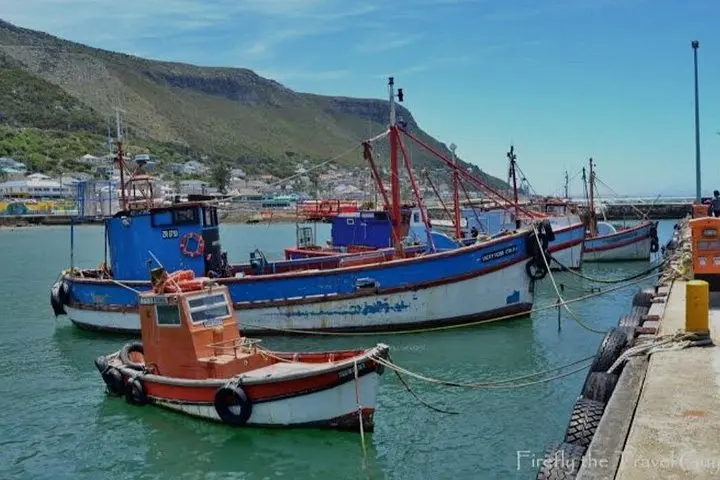
Local culture slips into the day over lunch in Simon’s Town — a naval town with century-old buildings and seafood cafés where harbor life remains visible on the quay. Conservation is part of the experience: the penguin colony is protected, and visitor behavior (stay on paths, no feeding) directly affects their recovery.
Timing matters: mornings and late afternoons reduce crowds and soften the light for photography. If you want a quieter experience, ask for early pickup. For families and mobility-challenged travelers, the route and vehicle are accessible but check specific needs with your operator in advance.
The tour is flexible but typically lasts 4–6 hours, covering Boulders Beach, Chapman's Peak Drive and Cape Point with time for short walks and lunch.
Admission to Boulders Beach is usually included in this tour's itinerary, but confirm with your operator at booking for exact inclusions.
Yes — the vehicle and many boardwalks/viewpoints are wheelchair accessible, though some lookout areas have steeper paths; notify the operator of specific needs.
No — feeding or touching wildlife is prohibited to protect their health; stay on marked paths and keep a respectful distance.
Layered clothing with a windproof outer layer, sun protection, and comfortable shoes for short uneven walks are recommended.
Lunch is typically at your own expense in Simon's Town; guides can recommend local cafés and seafood spots.
Cape Journeys operates guided outdoor trips and adventures with an emphasis on safety, stewardship, and memorable experiences.
You leave the city's rhythm behind in a silent luxury EV, tires whispering along coastal asphalt while Table Mountain shrinks into a slab of granite at your shoulder. The first stop is Boulders Beach, where a colony of African penguins patrols tidal rocks as if rehearsing for an audience. Wooden boardwalks keep you at respectful distance while penguins preen, squabble and shuffle between sand and surf — their so-called “braying” sound surprising and oddly human.
You leave the city's rhythm behind in a silent luxury EV, tires whispering along coastal asphalt while Table Mountain shrinks into a slab of granite at your shoulder. The first stop is Boulders Beach, where a colony of African penguins patrols tidal rocks as if rehearsing for an audience. Wooden boardwalks keep you at respectful distance while penguins preen, squabble and shuffle between sand and surf — their so-called “braying” sound surprising and oddly human.
From Boulders the drive hugs the coastline, climbing toward Chapman's Peak Drive. This engineering ribbon of cliff and stone hangs above the Atlantic, the road cut into steep sandstone and shale that still smells faintly of salt and fynbos. Pull over at a lookout and the ocean stretches flat and fierce; currents and wind shape the cliffs, gulls ride the thermals, and the road itself becomes part of the coastline’s story.
At the Cape of Good Hope in the Cape Point Nature Reserve, geology and maritime lore collide. Granite outcrops and hard-worn sandstone bear grooves from ancient glaciers and tidal battering. The reserve is home to endemic fynbos — a low, scrubby plant community with proteas and ericas — that survived for millennia in nutrient-poor soils. Legends follow this coast: shipwrecks, the Flying Dutchman, and centuries of sailors naming every cape and cove on old charts.
A short funicular ride (included) lifts you through dense fynbos to Cape Point’s historic lighthouse and viewing platform. Standing there, the Atlantic daring you west and the meeting of currents below feels less abstract — it’s a physical tension you can see in the water and smell in the spray.
Practical notes: the full loop is comfortably handled in a half to full day depending on stops; expect low-impact walking on boardwalks and paved viewpoints, but uneven terrain near the reserve. Bring layered clothing against strong coastal winds, sun protection, and comfortable shoes for short strolls. Camera batteries drain fast in cold spray and near-sea light; keep a weather-sealed bag handy.
Local culture slips into the day over lunch in Simon’s Town — a naval town with century-old buildings and seafood cafés where harbor life remains visible on the quay. Conservation is part of the experience: the penguin colony is protected, and visitor behavior (stay on paths, no feeding) directly affects their recovery.
Timing matters: mornings and late afternoons reduce crowds and soften the light for photography. If you want a quieter experience, ask for early pickup. For families and mobility-challenged travelers, the route and vehicle are accessible but check specific needs with your operator in advance.