THE ADVENTURE COLLECTIVE® · Independent discovery and booking for outdoor travel

Drift gently through the Whitecliffs Boulders on the Rangitikei, lunching riverside among towering, time-smoothed blocks. This accessible half-day float blends geology, birdlife, and a slow river run ideal for first-time paddlers.
Drift gently through the Whitecliffs Boulders on the Rangitikei, lunching riverside among towering, time-smoothed blocks. This accessible half-day float blends geology, birdlife, and a slow river run ideal for first-time paddlers.
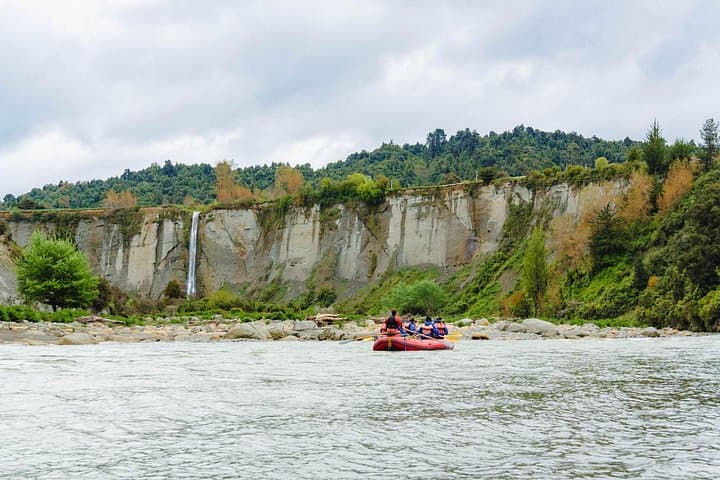
The river is a slow conversation here: glassy at first, then murmuring around giant, time-polished boulders that rise like islands from the Rangitikei. You push off near a small café on the riverbank and the current takes over, guiding a half-day drift that feels equal parts exploration and repose.
Verified experiences and guided adventures in the surrounding area.
Operated by Awastone · Mangaweka, Manawatu-Wanganui
The river is a slow conversation here: glassy at first, then murmuring around giant, time-polished boulders that rise like islands from the Rangitikei. You push off near a small café on the riverbank and the current takes over, guiding a half-day drift that feels equal parts exploration and repose.
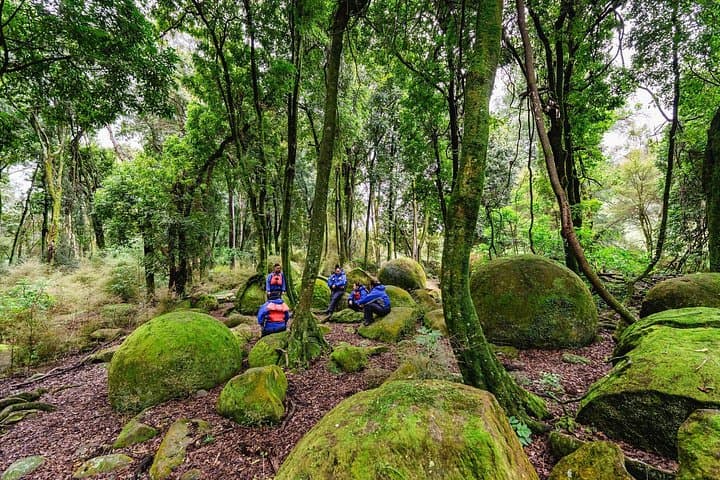
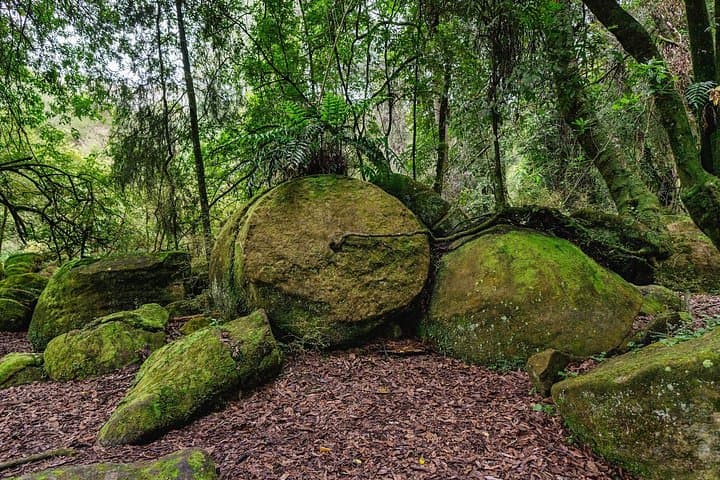
Geologically, the Whitecliffs Boulders are river-smoothed blocks of greywacke and conglomerate, abandoned by ancient slips and sculpted over millennia. The cliffs and cutbanks along this stretch tell a story of uplift and erosion; Māori used the Rangitikei valley as a travel and food-gathering corridor for generations, and European settlers later farmed the terraces above the river.
Culturally the river still supplies local cafés and guides; lunch among the boulders is a social, almost ceremonial pause. Wildlife watches from the fringes—kingfishers dart, and wrybills probe shallows—while the current nudges your raft onward.
Practical guide: expect 4–5 hours total including transfers. The float is gentle—no whitewater—but river conditions change with rainfall, so operators cancel in heavy flows. Wear quick-drying layers and sturdy sandals or river shoes; bring sun protection and a small dry bag for phones and cameras. Hydrate before you board and keep a light posture in the raft when moving between boulder clusters. Photography is easiest from mid-river when the light catches the rock faces; lunch is served riverside on a stable shoreline.
This trip is ideal for anyone seeking an accessible river experience that combines simple paddling, geology you can touch, and a memorable outdoor lunch without demanding technical skills.
The on-river portion lasts a couple of hours within a 4–5 hour tour that includes transfers, lunch, and time at the boulder garden.
Yes—trips are marketed as easy and suitable for all fitness levels; lifejackets are provided and guides supervise, but children and non-swimmers should remain seated and follow guide instructions.
Operators will cancel or reschedule if conditions are unsafe; full refunds are typically offered if cancellation happens at least 24 hours before departure per the tour policy.
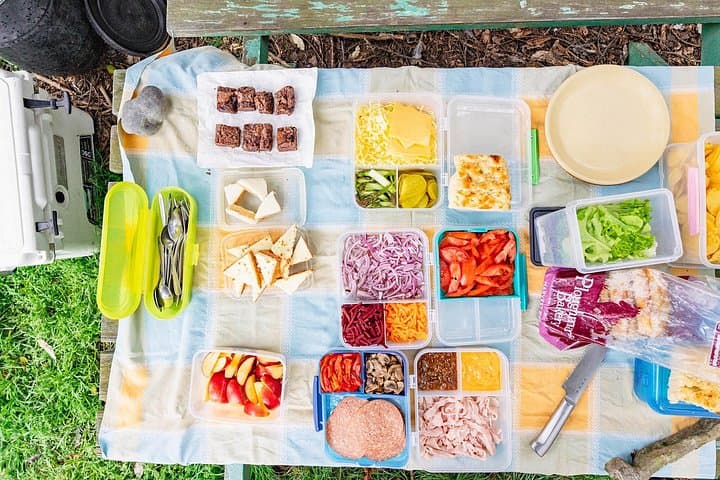
Yes—riverside lunch and drinks are included, plus a snack and tea/coffee back at the café after the float.
Awastone operates guided outdoor trips and adventures with an emphasis on safety, stewardship, and memorable experiences.
The river is a slow conversation here: glassy at first, then murmuring around giant, time-polished boulders that rise like islands from the Rangitikei. You push off near a small café on the riverbank and the current takes over, guiding a half-day drift that feels equal parts exploration and repose.
The river is a slow conversation here: glassy at first, then murmuring around giant, time-polished boulders that rise like islands from the Rangitikei. You push off near a small café on the riverbank and the current takes over, guiding a half-day drift that feels equal parts exploration and repose.
Geologically, the Whitecliffs Boulders are river-smoothed blocks of greywacke and conglomerate, abandoned by ancient slips and sculpted over millennia. The cliffs and cutbanks along this stretch tell a story of uplift and erosion; Māori used the Rangitikei valley as a travel and food-gathering corridor for generations, and European settlers later farmed the terraces above the river.
Culturally the river still supplies local cafés and guides; lunch among the boulders is a social, almost ceremonial pause. Wildlife watches from the fringes—kingfishers dart, and wrybills probe shallows—while the current nudges your raft onward.
Practical guide: expect 4–5 hours total including transfers. The float is gentle—no whitewater—but river conditions change with rainfall, so operators cancel in heavy flows. Wear quick-drying layers and sturdy sandals or river shoes; bring sun protection and a small dry bag for phones and cameras. Hydrate before you board and keep a light posture in the raft when moving between boulder clusters. Photography is easiest from mid-river when the light catches the rock faces; lunch is served riverside on a stable shoreline.
This trip is ideal for anyone seeking an accessible river experience that combines simple paddling, geology you can touch, and a memorable outdoor lunch without demanding technical skills.