THE ADVENTURE COLLECTIVE® · Independent discovery and booking for outdoor travel

Step into a working cognac cellar with the Bourgoin family and follow the story from calcareous soils to microbarriques and seawater finishes. This guided tasting highlights organic viticulture, distillation techniques, and a lineup of distinctive eaux-de-vie.
Step into a working cognac cellar with the Bourgoin family and follow the story from calcareous soils to microbarriques and seawater finishes. This guided tasting highlights organic viticulture, distillation techniques, and a lineup of distinctive eaux-de-vie.
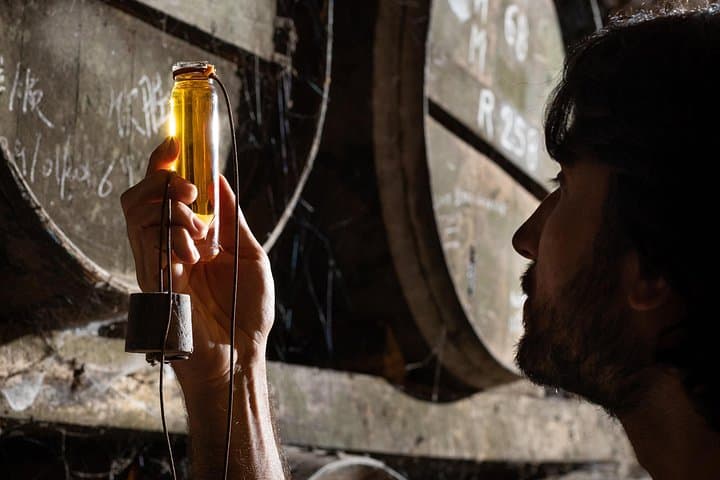
A cold stone cellar opens like a storybook: light slants through a small window, wooden casks breathe quietly, and the scent of distillation—warm, oily, vegetal—hangs in the air. You step in with a family member at your side, and the Charente countryside feels present even underground, as if the river a few kilometers away is nudging the aromas toward you.
Verified experiences and guided adventures in the surrounding area.
Operated by FRÉDÉRIC BOURGOIN · Angoulême, Nouvelle-Aquitaine
A cold stone cellar opens like a storybook: light slants through a small window, wooden casks breathe quietly, and the scent of distillation—warm, oily, vegetal—hangs in the air. You step in with a family member at your side, and the Charente countryside feels present even underground, as if the river a few kilometers away is nudging the aromas toward you.
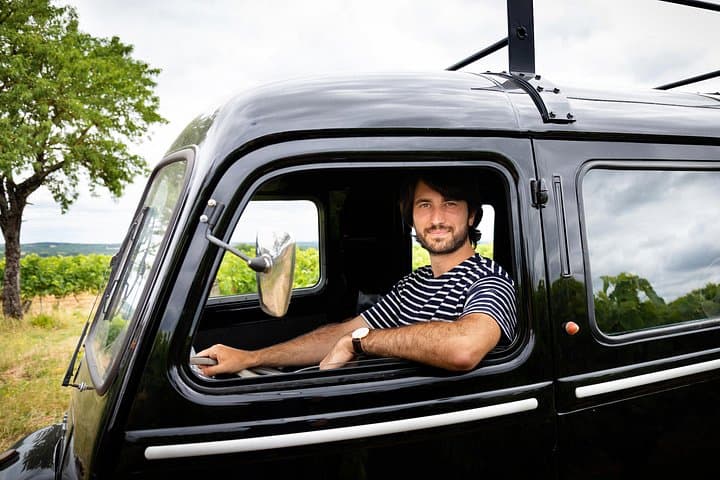
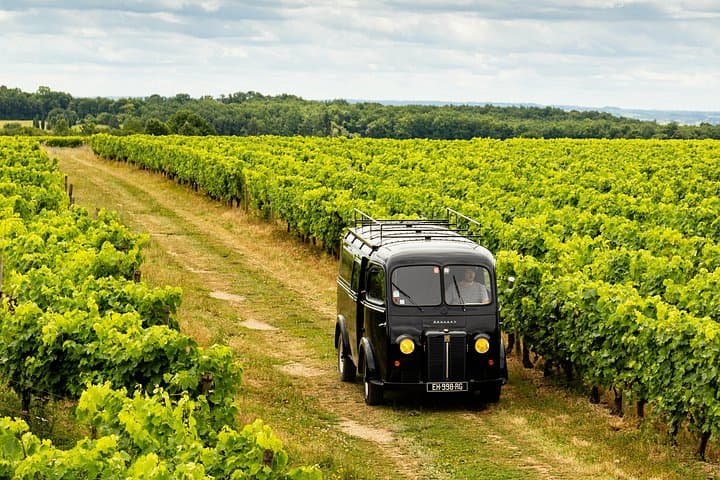
The Bourgoin family has farmed vines in Charente since 1930; today Frédéric Bourgoin runs 25 hectares converting to organic agriculture and taking a hands-on approach to cognac from harvest to bottle. Geology matters here—calcareous clay and limestone soils drive the high-acidity profile of Ugni Blanc, the grape behind the eaux-de-vie. The tour moves from vine to pot-still to cellar, with explanations of soil, distillation and unusual finishes like microbarrique aging and the seawater-moistened 'High Tide' finish.
Tasting is the focus: expect a progression from young grape brandy to older, higher-proof cask selections, plus Pineau des Charentes and verjuice. Flavors shift sharply with temperature and proof; sip slowly and let the wood and heat reveal themselves.
Practical guidance: bookings are for small groups (minimum four), last about an hour, and are family-led—ask about language options when you book. Bring government ID for alcohol service, wear sensible shoes for uneven cellar floors, and plan travel from Angoulême or Cognac where lodging and trains connect. Hydrate between samples and consider a light snack beforehand—these are concentrated spirits, not wine.
The activity runs about 60 minutes and combines a short walk through the distillery and cellar with a guided tasting.
Minors may be on the property but only guests 18 and over are permitted to consume alcoholic beverages.
The listing notes wheelchair and stroller accessibility—confirm details about cellar-level access when you book, as older cellars can have thresholds.
Bookings require a minimum of four people; group sizes are generally small and family-led for a personal experience.
FRÉDÉRIC BOURGOIN operates guided outdoor trips and adventures with an emphasis on safety, stewardship, and memorable experiences.

A cold stone cellar opens like a storybook: light slants through a small window, wooden casks breathe quietly, and the scent of distillation—warm, oily, vegetal—hangs in the air. You step in with a family member at your side, and the Charente countryside feels present even underground, as if the river a few kilometers away is nudging the aromas toward you.
A cold stone cellar opens like a storybook: light slants through a small window, wooden casks breathe quietly, and the scent of distillation—warm, oily, vegetal—hangs in the air. You step in with a family member at your side, and the Charente countryside feels present even underground, as if the river a few kilometers away is nudging the aromas toward you.
The Bourgoin family has farmed vines in Charente since 1930; today Frédéric Bourgoin runs 25 hectares converting to organic agriculture and taking a hands-on approach to cognac from harvest to bottle. Geology matters here—calcareous clay and limestone soils drive the high-acidity profile of Ugni Blanc, the grape behind the eaux-de-vie. The tour moves from vine to pot-still to cellar, with explanations of soil, distillation and unusual finishes like microbarrique aging and the seawater-moistened 'High Tide' finish.
Tasting is the focus: expect a progression from young grape brandy to older, higher-proof cask selections, plus Pineau des Charentes and verjuice. Flavors shift sharply with temperature and proof; sip slowly and let the wood and heat reveal themselves.
Practical guidance: bookings are for small groups (minimum four), last about an hour, and are family-led—ask about language options when you book. Bring government ID for alcohol service, wear sensible shoes for uneven cellar floors, and plan travel from Angoulême or Cognac where lodging and trains connect. Hydrate between samples and consider a light snack beforehand—these are concentrated spirits, not wine.