THE ADVENTURE COLLECTIVE® · Independent discovery and booking for outdoor travel

Move from the mirrored calm of Bovilla Reservoir to the steep, stone streets of Kruja in a single day. This tour pairs easy shoreline walks with history-steeped castle views and a bustling bazaar—ideal for travelers wanting a compact taste of Albanian nature and culture.
Move from the mirrored calm of Bovilla Reservoir to the steep, stone streets of Kruja in a single day. This tour pairs easy shoreline walks with history-steeped castle views and a bustling bazaar—ideal for travelers wanting a compact taste of Albanian nature and culture.
Morning light cuts across Bovilla Reservoir in a way that makes even a weekday feel deliberate: glassy water framed by oak-sprinkled slopes, a small jetty, and the soft hum of a distant road. The day tour moves from that hush to the narrow alleys of Kruja, where stone steps climb beneath shuttered wooden balconies and the scent of roasted peppers drifts from market stalls.
Verified experiences and guided adventures in the surrounding area.
Operated by Tour Albania · Kruja, Durrës County
Morning light cuts across Bovilla Reservoir in a way that makes even a weekday feel deliberate: glassy water framed by oak-sprinkled slopes, a small jetty, and the soft hum of a distant road. The day tour moves from that hush to the narrow alleys of Kruja, where stone steps climb beneath shuttered wooden balconies and the scent of roasted peppers drifts from market stalls.
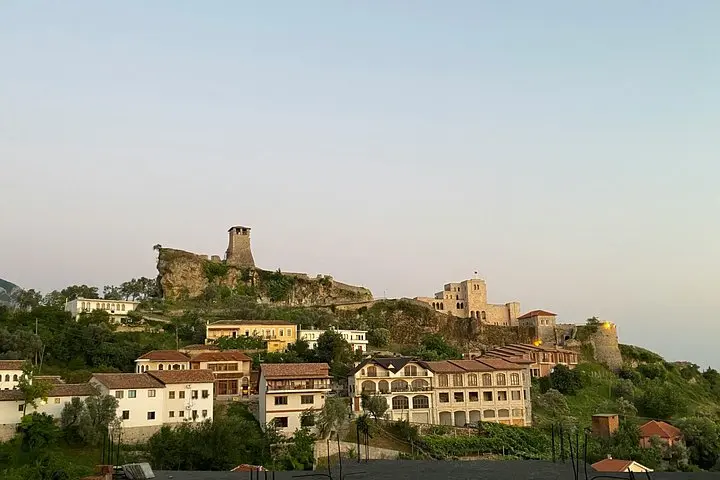
Geologically, Bovilla is a man-made reservoir set in karstified limestone foothills that feed Tirana's watershed; its clear margins and steep banks create a compact, photogenic shoreline. Kruja sits on a rocky outcrop—a natural defensive perch that shaped its history. The castle that crowns the town was a focal point of resistance under Gjergj Kastrioti (Skanderbeg) in the 15th century; Ottoman-era households and the living ethnographic museum preserve crafts and domestic life from later centuries.
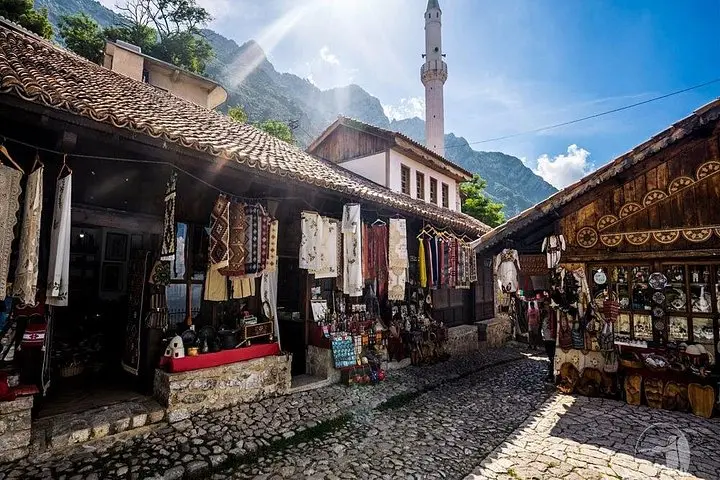
Culturally, the bazaar remains active: vendors sell filigree silver, handwoven rugs, and raki alongside fresh pastries. The contrast between tranquil water and bustling market gives the day its rhythm: quiet observation followed by lively exchange.
Practical guidance: expect 7–8 hours total with brief walks on rough paths and cobblestones; comfortable shoes and sun protection matter. Bring cash for small purchases, allow time for a museum visit and a short viewpoint hike on Mount Sarisalltik. The tour is accessible for most fitness levels but includes uneven terrain and some steps. Plan for variable weather—mornings are cooler at the reservoir, afternoons warmer in the town—so layer and carry water. With a mix of nature, history, and local life, it’s a full-day primer on central Albanian landscapes and culture.
The itinerary runs about 7–8 hours total, including travel time between Tirana, Bovilla Reservoir, and Kruja.
The published itinerary includes admission for the castle and the Ethnographic Museum as noted in the tour stops.
Yes—stroller access is possible and infant seats are available, but there are steps and uneven ground in parts of Kruja.
The tour is generally easy but includes cobbled streets, steps at the castle, and short uneven trails that may be difficult for those with significant mobility limitations.
Tour Albania operates guided outdoor trips and adventures with an emphasis on safety, stewardship, and memorable experiences.
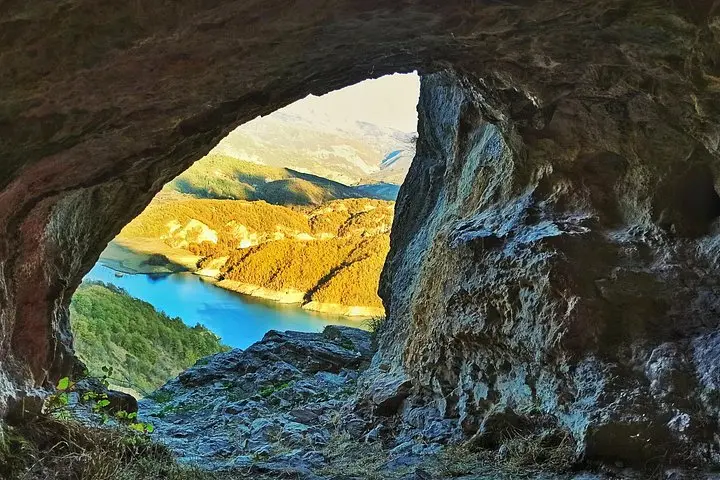
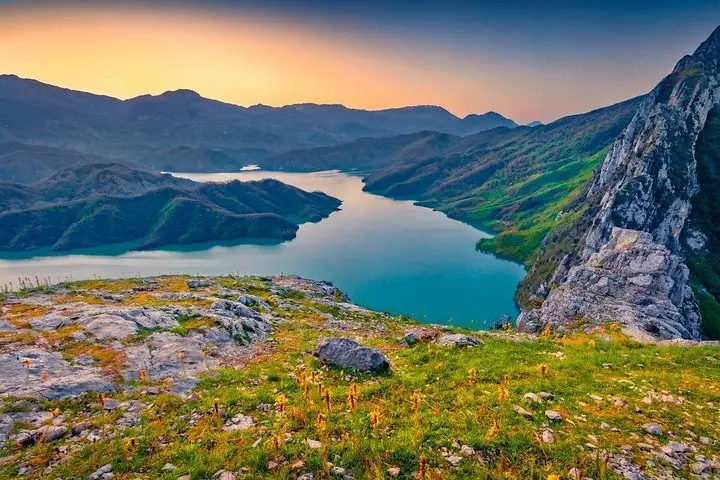
Morning light cuts across Bovilla Reservoir in a way that makes even a weekday feel deliberate: glassy water framed by oak-sprinkled slopes, a small jetty, and the soft hum of a distant road. The day tour moves from that hush to the narrow alleys of Kruja, where stone steps climb beneath shuttered wooden balconies and the scent of roasted peppers drifts from market stalls.
Morning light cuts across Bovilla Reservoir in a way that makes even a weekday feel deliberate: glassy water framed by oak-sprinkled slopes, a small jetty, and the soft hum of a distant road. The day tour moves from that hush to the narrow alleys of Kruja, where stone steps climb beneath shuttered wooden balconies and the scent of roasted peppers drifts from market stalls.
Geologically, Bovilla is a man-made reservoir set in karstified limestone foothills that feed Tirana's watershed; its clear margins and steep banks create a compact, photogenic shoreline. Kruja sits on a rocky outcrop—a natural defensive perch that shaped its history. The castle that crowns the town was a focal point of resistance under Gjergj Kastrioti (Skanderbeg) in the 15th century; Ottoman-era households and the living ethnographic museum preserve crafts and domestic life from later centuries.
Culturally, the bazaar remains active: vendors sell filigree silver, handwoven rugs, and raki alongside fresh pastries. The contrast between tranquil water and bustling market gives the day its rhythm: quiet observation followed by lively exchange.
Practical guidance: expect 7–8 hours total with brief walks on rough paths and cobblestones; comfortable shoes and sun protection matter. Bring cash for small purchases, allow time for a museum visit and a short viewpoint hike on Mount Sarisalltik. The tour is accessible for most fitness levels but includes uneven terrain and some steps. Plan for variable weather—mornings are cooler at the reservoir, afternoons warmer in the town—so layer and carry water. With a mix of nature, history, and local life, it’s a full-day primer on central Albanian landscapes and culture.