THE ADVENTURE COLLECTIVE® · Independent discovery and booking for outdoor travel

Walk the Bowery’s 1.5-mile arc from Chatham Square to Cooper Union and watch New York remake itself: from Dutch trail to skid row, vaudeville houses to punk’s birthplace at CBGB. This guided, two-hour tour mixes social history, architecture and offbeat local spots.
Walk the Bowery’s 1.5-mile arc from Chatham Square to Cooper Union and watch New York remake itself: from Dutch trail to skid row, vaudeville houses to punk’s birthplace at CBGB. This guided, two-hour tour mixes social history, architecture and offbeat local spots.
You step out at Chatham Square and the Bowery opens like a page of New York history: cracked sidewalks, weathered facades, and theater marquees that still whisper opening-night fever.
Verified experiences and guided adventures in the surrounding area.
Operated by Richard Soden · New York, New York
You step out at Chatham Square and the Bowery opens like a page of New York history: cracked sidewalks, weathered facades, and theater marquees that still whisper opening-night fever.
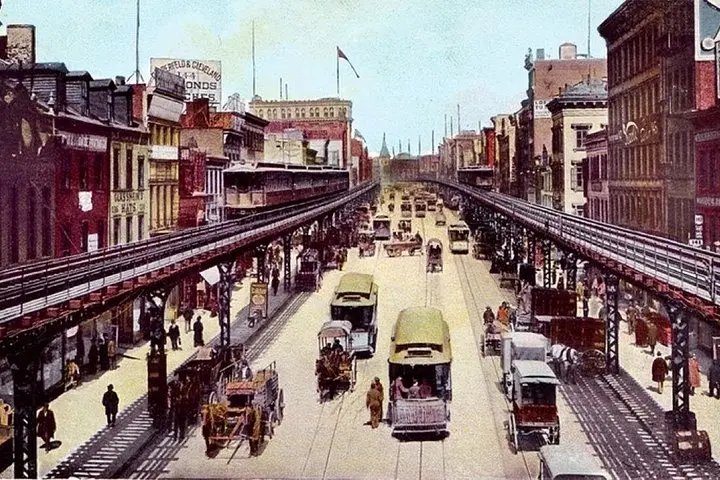
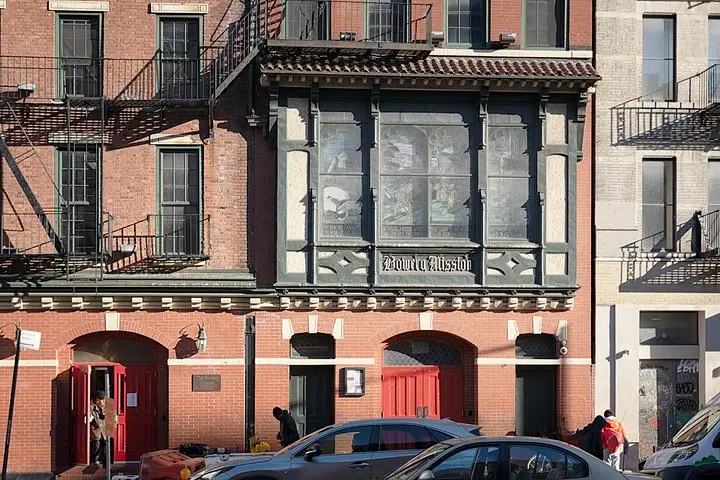
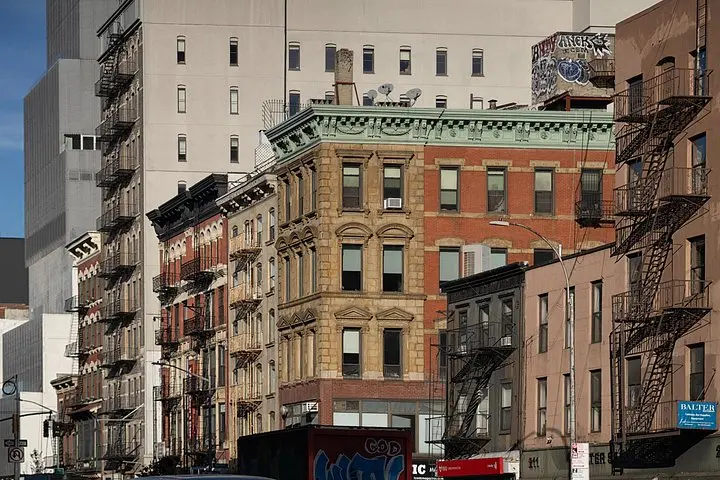
The 1.5-mile walk moves north along a street that began as an Indigenous path and grew into a Dutch footway, a 19th-century skid row and a cradle for vaudeville, then punk. Buildings keep watch here — brick banks with carved cornices, mission houses feeding generations, early tenements and the narrow lot where CBGB ignited a musical revolution.
Underfoot the city sits on Manhattan schist, bedrock that allowed tall buildings to rise; glacial deposits once shaped local shorelines and marshes now erased by filling and construction. Culture layers the route: immigrant neighborhoods, community gardens that reclaimed vacant lots, theaters that launched acts both celebrated and notorious.
Practical guidance turns the narrative into a plan. The tour is mostly flat but includes urban obstacles — curbs, occasional stairs and crowded sidewalks. Wear supportive shoes and bring a transit card; the route starts near multiple subway lines and ends at Cooper Union, close to additional connections. Aim for a mid-morning slot for comfortable light and fewer crowds, or late afternoon to catch theaterfront shadows and active community gardens.
Photography is straightforward but be mindful of private property and places of worship. The guide will point out plaques, architectural details and lesser-known backstories — the sort of specifics that change how you see the Bowery on future walks.
The guided tour is approximately 2 hours, starting at Chatham Square Park and ending near Cooper Union on the Bowery.
Children and strollers are allowed, but the route includes busy sidewalks and some minor grade changes—those with limited mobility should assess comfort with 1.5 miles of walking.
No—this tour focuses on exterior architecture, street history and public sites; any museum visits would be optional and at your own cost.
Yes, outdoor photography is welcome; be courteous in community gardens and private property, and ask permission before photographing people or interiors.
Richard Soden operates guided outdoor trips and adventures with an emphasis on safety, stewardship, and memorable experiences.

You step out at Chatham Square and the Bowery opens like a page of New York history: cracked sidewalks, weathered facades, and theater marquees that still whisper opening-night fever.
You step out at Chatham Square and the Bowery opens like a page of New York history: cracked sidewalks, weathered facades, and theater marquees that still whisper opening-night fever.
The 1.5-mile walk moves north along a street that began as an Indigenous path and grew into a Dutch footway, a 19th-century skid row and a cradle for vaudeville, then punk. Buildings keep watch here — brick banks with carved cornices, mission houses feeding generations, early tenements and the narrow lot where CBGB ignited a musical revolution.
Underfoot the city sits on Manhattan schist, bedrock that allowed tall buildings to rise; glacial deposits once shaped local shorelines and marshes now erased by filling and construction. Culture layers the route: immigrant neighborhoods, community gardens that reclaimed vacant lots, theaters that launched acts both celebrated and notorious.
Practical guidance turns the narrative into a plan. The tour is mostly flat but includes urban obstacles — curbs, occasional stairs and crowded sidewalks. Wear supportive shoes and bring a transit card; the route starts near multiple subway lines and ends at Cooper Union, close to additional connections. Aim for a mid-morning slot for comfortable light and fewer crowds, or late afternoon to catch theaterfront shadows and active community gardens.
Photography is straightforward but be mindful of private property and places of worship. The guide will point out plaques, architectural details and lesser-known backstories — the sort of specifics that change how you see the Bowery on future walks.