THE ADVENTURE COLLECTIVE® · Independent discovery and booking for outdoor travel

Swap the traffic for furrows and share a morning meal with a farming family 20 km from central Cairo. This private, wheelchair‑accessible visit pairs local stories with a fresh rural breakfast and a close look at Nile‑plain agriculture.
Swap the traffic for furrows and share a morning meal with a farming family 20 km from central Cairo. This private, wheelchair‑accessible visit pairs local stories with a fresh rural breakfast and a close look at Nile‑plain agriculture.
Morning light slides across low fields as the city recedes and a private van threads toward Shabramant’s agricultural fringe. Arriving before mid‑day, you step from air‑conditioned comfort into rows of crops and a courtyard where the farmer’s family is already preparing breakfast; steam rises, birds examine the furrows, and the landscape feels intent—pulling you into its rhythm.
Verified experiences and guided adventures in the surrounding area.
Operated by This Is Egypt Aswan · Cairo, Cairo Governorate
Morning light slides across low fields as the city recedes and a private van threads toward Shabramant’s agricultural fringe. Arriving before mid‑day, you step from air‑conditioned comfort into rows of crops and a courtyard where the farmer’s family is already preparing breakfast; steam rises, birds examine the furrows, and the landscape feels intent—pulling you into its rhythm.
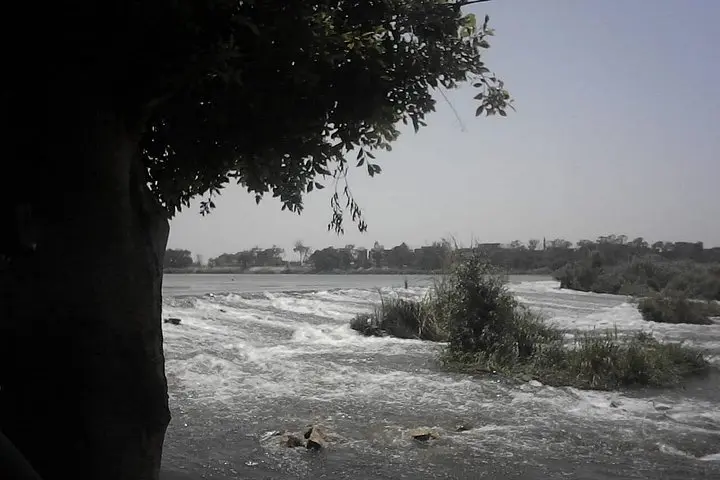
This is not a staged tableau but an everyday moment of Egypt’s Nile‑fed plain. For millennia the floodplain shaped local diets and patterns of work; the small farms around Cairo carry that living agricultural history into a modern metropolis. Geology here is flat alluvium—deep, fertile soils deposited by millennia of Nile flows—so fields spread wide, and wind and light become the main topographic players.
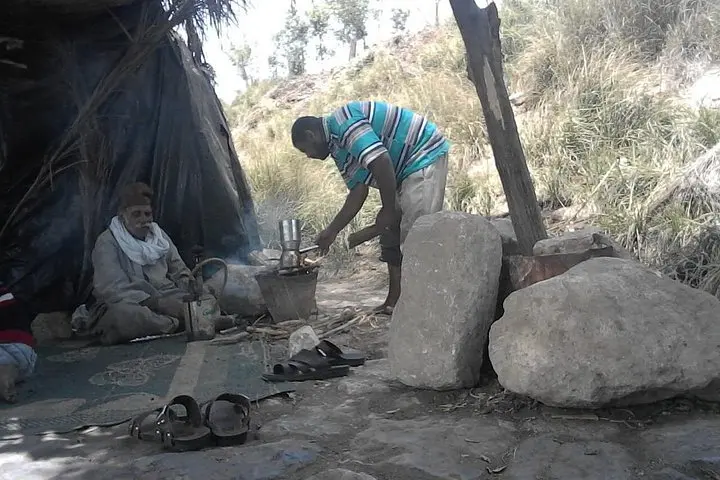
Culture is hands‑on: you’ll meet the family, learn planting and harvest cycles, and taste a breakfast of eggs, beans, cheeses, bread, fruit, tea and coffee. The guide translates stories about seasonal crops and irrigation; the conversation often turns practical—what’s growing now, how water is managed, what pests threaten the yield.
Practical side: plan for early pickup (around 07:30), a three‑hour farm visit within a four‑hour roundtrip, and private transfers. Wear sturdy shoes and sun protection; the farm paths can be dusty and uneven. Bring a camera and a polite curiosity—farmers appreciate respectful questions. Hydrate, accept tea, and leave no trace: these visits support small‑scale producers and offer a clear window into the agricultural life that still feeds Cairo.
Yes—private A/C pickup and drop‑off from many Cairo and nearby locations are included; some distant suburbs or airports may incur an extra fee.
Traditional items include eggs, beans, cheeses, bread, fruit, tea and coffee; vegetarian diets are easily accommodated—note preferences when booking.
The tour notes wheelchair accessibility for transportation and surfaces, but farm terrain may be uneven; contact the operator to confirm needs.
Yes—your private guide introduces you to the family, and hosts typically explain daily routines, crops and irrigation practices; polite questions are encouraged.
This Is Egypt Aswan operates guided outdoor trips and adventures with an emphasis on safety, stewardship, and memorable experiences.
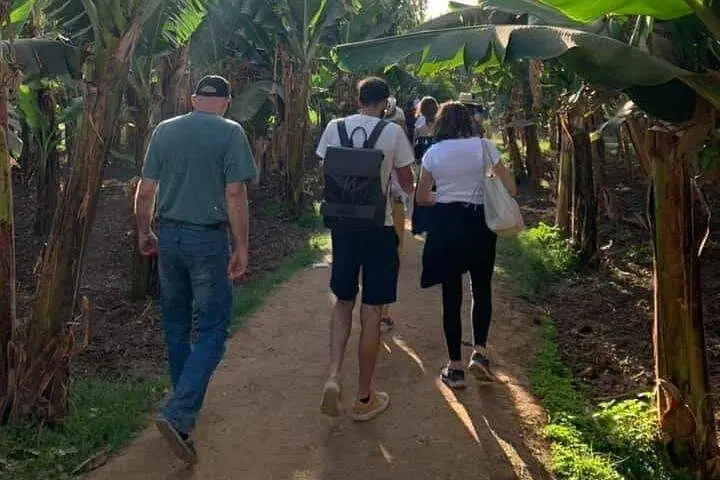
Morning light slides across low fields as the city recedes and a private van threads toward Shabramant’s agricultural fringe. Arriving before mid‑day, you step from air‑conditioned comfort into rows of crops and a courtyard where the farmer’s family is already preparing breakfast; steam rises, birds examine the furrows, and the landscape feels intent—pulling you into its rhythm.
Morning light slides across low fields as the city recedes and a private van threads toward Shabramant’s agricultural fringe. Arriving before mid‑day, you step from air‑conditioned comfort into rows of crops and a courtyard where the farmer’s family is already preparing breakfast; steam rises, birds examine the furrows, and the landscape feels intent—pulling you into its rhythm.
This is not a staged tableau but an everyday moment of Egypt’s Nile‑fed plain. For millennia the floodplain shaped local diets and patterns of work; the small farms around Cairo carry that living agricultural history into a modern metropolis. Geology here is flat alluvium—deep, fertile soils deposited by millennia of Nile flows—so fields spread wide, and wind and light become the main topographic players.
Culture is hands‑on: you’ll meet the family, learn planting and harvest cycles, and taste a breakfast of eggs, beans, cheeses, bread, fruit, tea and coffee. The guide translates stories about seasonal crops and irrigation; the conversation often turns practical—what’s growing now, how water is managed, what pests threaten the yield.
Practical side: plan for early pickup (around 07:30), a three‑hour farm visit within a four‑hour roundtrip, and private transfers. Wear sturdy shoes and sun protection; the farm paths can be dusty and uneven. Bring a camera and a polite curiosity—farmers appreciate respectful questions. Hydrate, accept tea, and leave no trace: these visits support small‑scale producers and offer a clear window into the agricultural life that still feeds Cairo.