THE ADVENTURE COLLECTIVE® · Independent discovery and booking for outdoor travel
Spend five hours with Bribri hosts in Talamanca—learn medicinal plants, traditional cacao craft and visit a secluded waterfall for a swim. This hands-on cultural tour balances storytelling with easy hiking and a cooling plunge.
Spend five hours with Bribri hosts in Talamanca—learn medicinal plants, traditional cacao craft and visit a secluded waterfall for a swim. This hands-on cultural tour balances storytelling with easy hiking and a cooling plunge.
Morning light slips through tall secondary forest as a guide leads visitors down a narrow path toward a low, powerful river. The air tastes of wet earth and cocoa; bird calls punctuate the walk. At the Bribri territory’s edge, a community elder explains the plants at the trail’s shoulder while children laugh nearby—then the trail opens to a plunge pool framed by basalt and jungle, where cool water dares you to swim.
Verified experiences and guided adventures in the surrounding area.
Operated by Vive la cultura indígena Bribri · Bribri, Limón
Morning light slips through tall secondary forest as a guide leads visitors down a narrow path toward a low, powerful river. The air tastes of wet earth and cocoa; bird calls punctuate the walk. At the Bribri territory’s edge, a community elder explains the plants at the trail’s shoulder while children laugh nearby—then the trail opens to a plunge pool framed by basalt and jungle, where cool water dares you to swim.
The Bribri people of Talamanca have lived in the foothills and river valleys of Limón for generations, maintaining knowledge of medicinal plants, ceremonial houses and traditional chocolate-making that predates colonial maps. Geologically, the area sits on the western slopes of the Talamanca Range where rivers cut through volcanic and sedimentary rock, creating narrow gorges and accessible waterfalls.
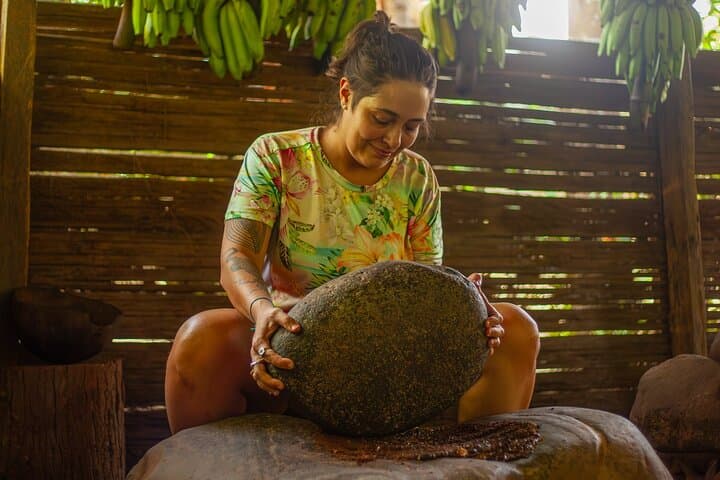
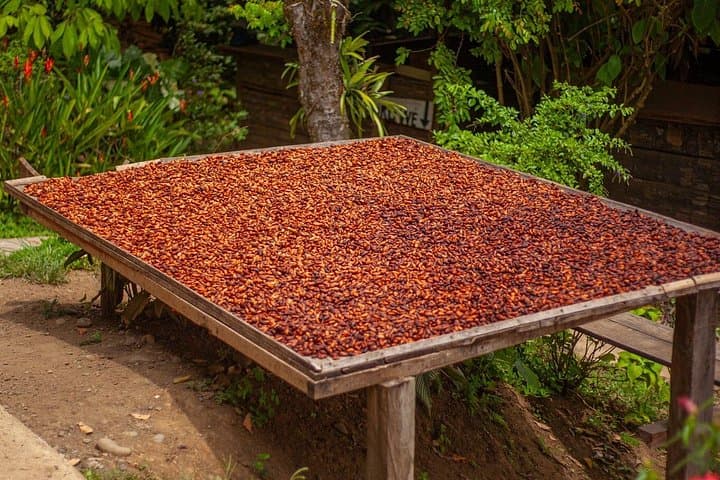
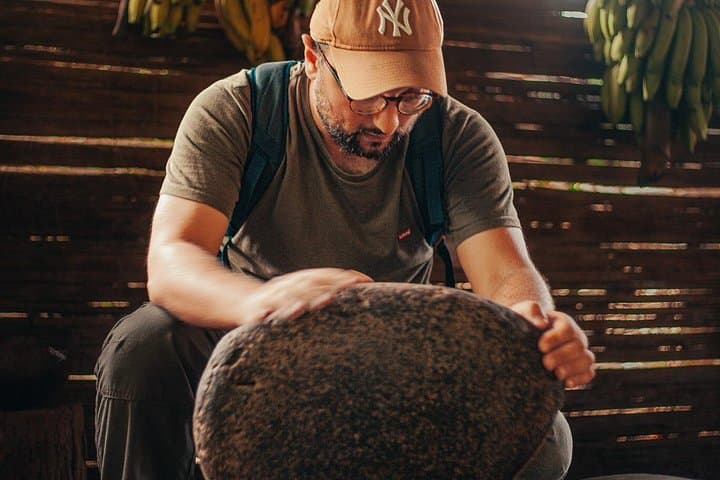
Visitors can expect a mixed day: time inside an indigenous territory learning about language, crafts and cacao preparation, followed by a short walk to a waterfall for swimming and views. Guides emphasize sustainable visiting—local families host the exchange and the route is mostly informal singletrack with steps and muddy sections after rain.
Practical tips: wear sturdy, quick-drying shoes, bring biodegradable sunscreen and insect repellent, and carry water in a refillable bottle. The 5-hour visit moves at a relaxed pace but involves uneven terrain and shallow river crossings; children are welcome but should be supervised at the pool. Mornings are cooler and drier; afternoons bring tropical showers—plan clothing and timing accordingly to make the most of both cultural exchange and the waterfall’s calm.
Yes; the itinerary notes it’s family-friendly, but children should be supervised near rivers and during activities.
The tour includes snacks; expect light local fare but bring any dietary-specific items you require.
Photography is allowed in much of the community, but ask permission before photographing ceremonies, elders or inside sacred spaces.
The short hike is easy to moderate with uneven ground and some steps—no technical climbing required.
Vive la cultura indígena Bribri operates guided outdoor trips and adventures with an emphasis on safety, stewardship, and memorable experiences.
Morning light slips through tall secondary forest as a guide leads visitors down a narrow path toward a low, powerful river. The air tastes of wet earth and cocoa; bird calls punctuate the walk. At the Bribri territory’s edge, a community elder explains the plants at the trail’s shoulder while children laugh nearby—then the trail opens to a plunge pool framed by basalt and jungle, where cool water dares you to swim.
Morning light slips through tall secondary forest as a guide leads visitors down a narrow path toward a low, powerful river. The air tastes of wet earth and cocoa; bird calls punctuate the walk. At the Bribri territory’s edge, a community elder explains the plants at the trail’s shoulder while children laugh nearby—then the trail opens to a plunge pool framed by basalt and jungle, where cool water dares you to swim.
The Bribri people of Talamanca have lived in the foothills and river valleys of Limón for generations, maintaining knowledge of medicinal plants, ceremonial houses and traditional chocolate-making that predates colonial maps. Geologically, the area sits on the western slopes of the Talamanca Range where rivers cut through volcanic and sedimentary rock, creating narrow gorges and accessible waterfalls.
Visitors can expect a mixed day: time inside an indigenous territory learning about language, crafts and cacao preparation, followed by a short walk to a waterfall for swimming and views. Guides emphasize sustainable visiting—local families host the exchange and the route is mostly informal singletrack with steps and muddy sections after rain.
Practical tips: wear sturdy, quick-drying shoes, bring biodegradable sunscreen and insect repellent, and carry water in a refillable bottle. The 5-hour visit moves at a relaxed pace but involves uneven terrain and shallow river crossings; children are welcome but should be supervised at the pool. Mornings are cooler and drier; afternoons bring tropical showers—plan clothing and timing accordingly to make the most of both cultural exchange and the waterfall’s calm.
